
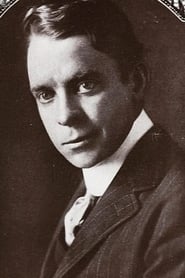
Edward Dillon
Actor
Born: January 1, 1879 in New York City, New York, USA Died: July 11, 1933 Active: 1908-1925 Birth Name: Edward Francis Dillon
Films
22 films
The Black Viper
1908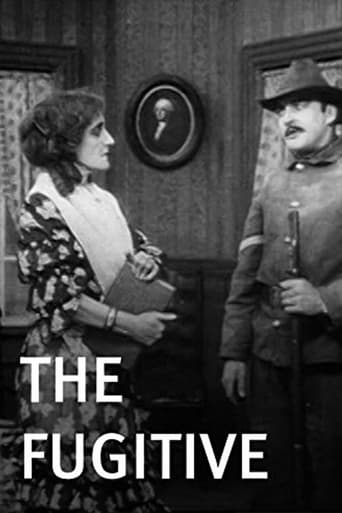
The Fugitive
1910
A Flash of Light
1910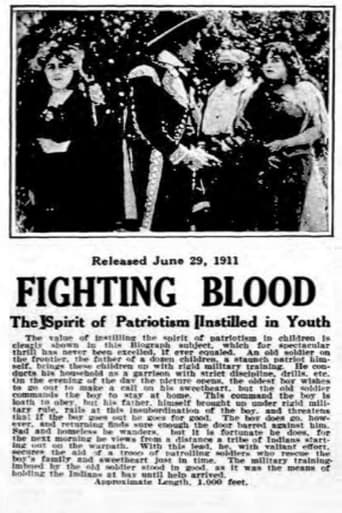
Fighting Blood
1911
An Arcadian Maid
1910
The Miser's Heart
1911
The Massacre
1912
The Little Tease
1913
Mixed Babies
1908
The Sculptor's Nightmare
1908
The Lonedale Operator
1911
Over the Hills to the Poor House
1908
The Sorrows of the Unfaithful
1910
Hot Stuff
1912
The Usurer
1910
Won by a Fish
1912
The Boy Detective, or The Abductors Foiled
1908
The Making of a Man
1911
Help! Help!
1912
The Manicure Lady
1911
The Speed Demon
1912About Edward Dillon
Prominent American actor and director who flourished during the silent film era, beginning his career with the Biograph Company in 1908. He quickly became one of D.W. Griffith's most reliable character actors, appearing in dozens of the director's early films including shorts like 'The Black Viper' and 'The Fugitive.' Dillon transitioned successfully behind the camera in the mid-1910s, becoming a prolific director of comedy shorts for various studios. He directed over 100 films between 1915 and 1925, working with notable comedians and developing a reputation for efficient, technically proficient filmmaking. His the entire silent era, though he struggled to adapt to the sound revolution of the late 1920s. Dillon's legacy rests on his dual contributions as both a significant character actor in early American cinema and a competent director who helped shape the comedy genre during its formative years.
The Craft
On Screen
Dillon was known for his naturalistic and understated acting style, which contrasted with the more theatrical approach common in early cinema. He specialized in playing authoritative figures, villains, and character roles with remarkable subtlety and restraint. His performances in Griffith's films demonstrated a keen understanding of the new medium's requirements, using minimal gestures and facial expressions to convey complex emotions.
Milestones
- Regular actor in D.W. Griffith's Biograph films (1908-1913)
- Transitioned to directing in 1915
- Directed over 100 films during his career
- Worked extensively with comedy star Harold Lloyd
- Member of the original Biograph stock company
Best Known For
Iconic Roles
Must-See Films
Accolades
Special Recognition
- Pioneer of American cinema recognized by film historians
Working Relationships
Worked Often With
Studios
Why They Matter
Impact on Culture
Edward Dillon played a significant role in the development of American cinema during its formative years. As part of D.W. Griffith's stock company at Biograph, he contributed to dozens of films that established the grammar of cinematic language. His transition from acting to directing reflected the professionalization of the film industry and the emergence of specialized roles within filmmaking. Dillon's work in comedy direction helped establish conventions that would influence generations of comedy filmmakers.
Lasting Legacy
Though largely forgotten by mainstream audiences, Edward Dillon is remembered by film historians as an important figure in early American cinema. His extensive filmography provides valuable documentation of the evolution of cinematic techniques and storytelling during the silent era. Dillon's career trajectory from actor to director exemplifies the opportunities for advancement available to ambitious filmmakers during Hollywood's golden age, and his collaborations with major figures like Griffith helped shape the foundation of classical Hollywood cinema.
Who They Inspired
Dillon's naturalistic acting style influenced other early film actors who were moving away from theatrical conventions toward more screen-appropriate performances. As a director, his efficient approach to comedy filmmaking and his technical proficiency set standards for short-form comedy production. Many of the techniques he employed in his films were adopted and refined by subsequent generations of comedy directors, particularly in the timing and visual presentation of gags.
Off Screen
Edward Dillon came from a theatrical family and was the brother of actress Fay Tincher, who also appeared in silent films. He married actress Edith Boreen in 1913, and they remained together until his death. Dillon was known as a hardworking professional who transitioned successfully from acting to directing during a period of rapid change in the film industry. His later years were marked by declining health and the challenges of adapting to sound cinema.
Education
Limited formal education, trained through practical experience in theater and early film
Family
- Edith Boreen (1913-1933)
Did You Know?
- Appeared in over 200 films as an actor between 1908-1916
- Directed his first film in 1915 for Fox Film Corporation
- Worked with his sister Fay Tincher in several films
- Was one of the few Biograph actors to successfully transition to directing
- His films are now considered valuable historical documents of early cinema
- Survived the transition from one-reel to feature-length films
- Worked with virtually every major comedy star of the silent era
- His active years covered the entire silent film period
- Many of his films are now lost, a common fate for early cinema
- Was known for his professionalism and reliability on set
In Their Own Words
The secret to directing comedy is knowing exactly when to cut
In pictures, less is always more - the camera sees everything
Working with Griffith taught me that emotion comes from the eyes, not the hands
Frequently Asked Questions
Who was Edward Dillon?
American actor and on YTB.my. He began as a character actor in D.W. Griffith's Biograph films and later became a prolific director of comedy shorts, making over 100 films as a director.
What films is Edward Dillon best known for?
Titles linked here include The Black Viper (1908), The Fugitive (1910).
When was Edward Dillon born and when did he die?
Born January 1, 1879; died July 11, 1933.
What awards did Edward Dillon win?
Edward Dillon did not receive any major formal awards during his career, as many of the industry's major awards were established after his most active period. He is recognized by film historians as a significant pioneer of early American cinema.
What was Edward Dillon's acting and directing style?
As an actor, Dillon was known for his naturalistic, understated style that avoided theatrical excess. As a director, he favored efficient storytelling, clear visual composition, and well-timed comedy, showing the influence of his mentor D.W. Griffith in his technical approach.