Over the Hills to the Poor House
"The widowed elderly mother of three adult children"
Keys: Space play/pause · ←/→ 10s · F fullscreen · M mute · </> speed
About this film
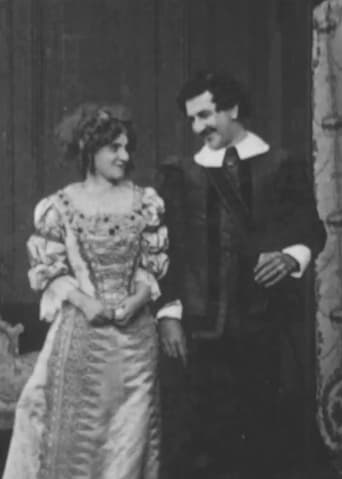
The widowed elderly mother of three adult children, two sons and a daughter, wishing to relieve herself of the burden of care of her property, decides to divide it up among her children. To her son Charles, a wild but kind young fellow, she leaves a small amount, feeling that he will soon run through it. The good-hearted boy is perfectly satisfied, believing in the wisdom of his mother's actions.
Cast & crew
More films like this
More Drama films
View all →







More about this film
About the production
Release dateSeptember 1908
ProductionAmerican Mutoscope and Biograph Company
Filmed inNew York City, New Jersey
This film was produced during the early days of narrative cinema when Biograph was one of the leading American film studios. The production would have used natural lighting and primitive camera equipment typical of the era. The film was likely shot on location in New York tenements to achieve authentic urban poverty settings, a common practice for Biograph productions of this period. The film was shot on 35mm film stock, probably at about 16 frames per second, which was standard for silent films of this era.
Themes
Elderly neglectFamily betrayalPoverty and homelessnessSocial responsibilityAging and dependency
Themes & topics
Historical background
Over the Hills to the Poor House (1908) emerged during the earliest years of motion pictures. The widowed elderly mother of three adult children, two sons and a daughter, wishing to relieve herself of the burden of care of her property, decides to divide it up among her children. Archival records and catalog entries help place the work within film-history surveys of the period.
Why this film matters
Preserved under Wikidata ID Q3887641, Over the Hills to the Poor House is valued as a screen drama within catalog and archive collections. Contemporary listings connect it to broader histories of cinema exhibition and restoration.
Making of
The production of 'Over the Hills to the Poor House' took place during a pivotal moment in American cinema history. The Biograph Company was still operating under the leadership of D.W. Griffith, who would join the company later that year and revolutionize filmmaking. The film was likely shot on location in New York's Lower East Side tenements, a common practice for Biograph to achieve authentic urban settings. The cast was composed of Biograph's stock company of actors, who would appear in numerous films for the studio. Mack Sennett's appearance as a bartender represents an early role before he developed his famous Keystone comedy style. The film was probably shot in a single day or two, as was typical for productions of this era, with minimal rehearsals and often improvised performances. The director, Stanner E.V. Taylor, was part of Biograph's core creative team during this period, working alongside other pioneering filmmakers who were developing the language of cinema.
What critics said
Trade and archival sources offer limited day-one review coverage for Over the Hills to the Poor House. Modern reception rests on its availability in collections, repertory screenings, and reference works that document 1908 cinema.
Did you know?
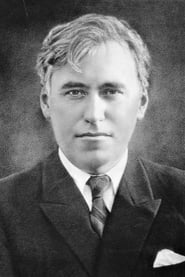
- Mack Sennett, who later became known as 'The King of Comedy' and founded Keystone Studios, appears in a small role as a bartender in this film before his rise to fame.
- Director Stanner E.V. Taylor was married to prominent silent film actress Marion Leonard and was a prolific director during the early 1900s, directing over 200 films.
- This film was produced by the Biograph Company, which was one of the first and most important film production companies in America, founded in 1895.
- The film's theme of elderly neglect was particularly relevant in 1908, as social security and elderly care systems did not yet exist in America.
- Wallace McCutcheon Jr., who appears in the film, was the son of Biograph's first director Wallace McCutcheon Sr., representing a family dynasty in early cinema.
- The film was released during a period when American cinema was transitioning from simple actualities and trick films to more complex narrative storytelling.
- Edward Dillon, who appears in the film, would later become a prominent director himself, directing over 300 films during his career.
- The title 'Over the Hills to the Poor House' was likely inspired by a popular 19th century song of the same name about elderly abandonment.
- This film represents an early example of social problem cinema, using melodrama to address real societal issues.
- The film was shot before the Motion Picture Patents Company (the Edison Trust) was formed in December 1908, making it part of the pre-Trust era of filmmaking.
Visual style
The cinematography of 'Over the Hills to the Poor House' reflects the technical limitations and stylistic conventions of 1908 filmmaking. The film was likely shot using a hand-cranked camera, resulting in variable frame rates typical of the era. The cinematography would have employed static camera positions, as dollies and other camera movement equipment were not yet in common use. Natural lighting would have been used for exterior scenes, while interior scenes would have been lit with primitive artificial lighting setups. The film would have been composed in a theatrical style, with actors positioned to face the camera directly, reflecting the influence of stage performance on early cinema. The visual storytelling would have relied on long takes and limited editing, with intertitles used to convey essential plot points. The contrast between the comfortable family home and the squalid tenement would have been emphasized through location shooting and careful set design, creating visual commentary on the film's social themes.
Innovations
While 'Over the Hills to the Poor House' does not represent major technical innovations, it demonstrates the sophistication of filmmaking techniques that had been developed by 1908. The film employs continuity editing to tell its story across multiple locations, a technique that was still being refined during this period. The use of location shooting in authentic tenement settings shows the industry's movement away from purely studio-based productions. The film's narrative structure, with its clear cause-and-effect progression and emotional arc, represents the growing complexity of storytelling in early cinema. The intertitles used in the film would have been created using the standard methods of the era, likely hand-lettered and photographed separately. The film's preservation on 35mm stock represents the industry standardization that had occurred by this time. While not technically groundbreaking, the film represents the solid craftsmanship that Biograph had achieved by 1908, combining established techniques to create an effective dramatic narrative.
Music
As a silent film, 'Over the Hills to the Poor House' would have been accompanied by live musical performance during theatrical exhibition. The specific musical score is not documented, but typical accompaniment for such a dramatic film in 1908 would have included a pianist or small ensemble playing popular songs of the era, classical pieces, and improvisational music matched to the on-screen action. The title itself references a popular 19th century song, which might have been incorporated into the live accompaniment. The emotional nature of the story would have called for dramatic musical cues during key moments, particularly during scenes of the mother's suffering and abandonment. Music publishers of the era produced 'cue sheets' with suggested musical pieces for different types of scenes, though theaters often created their own arrangements. The absence of recorded sound meant that the visual storytelling had to carry the full emotional weight of the narrative.
Famous quotes
No dialogue was recorded in this silent film, but intertitles would have conveyed key narrative points such as the mother's decision to divide her property and her children's reactions.
Memorable scenes
- The pivotal scene where the elderly mother is driven from her son's home by her daughter-in-law, representing the film's central conflict and social commentary. The stark contrast between the comfortable family home and the squalid tenement apartment visually emphasizes the mother's fall from security to poverty. The final sequence showing the mother facing eviction from her tenement room, highlighting the brutal reality of homelessness for the elderly in early 20th century America.
What audiences thought
Audiences in 1908 would have viewed this film in nickelodeons or as part of vaudeville programs, where its emotional story would have stood out amid the typical comedies and chase films of the era. The film's theme of family neglect would have resonated strongly with immigrant and working-class audiences who often faced similar struggles in their own lives. The melodramatic storytelling style was particularly effective with early cinema audiences, who were still learning to understand narrative film language. The film's relatively short runtime (about 12 minutes) made it suitable for the typical program format of the period. While specific audience reactions from 1908 are not documented, the continued production of similar social problem films by Biograph and other studios suggests that audiences responded positively to this type of content. The film's emotional appeal and moral message would have been particularly effective in an era when cinema was still establishing itself as a medium for serious storytelling.
Film connections
Influenced by
- Victorian melodrama
- Social problem literature
- Stage melodramas
- Contemporary social reform movements
- 19th century sentimental literature
This film influenced
- The Poorhouse (1914)
- The Mothering Heart (1913)
- The Unchanging Sea (1910)
- A Trap for Santa Claus (1909)
- The Red Man and the Child (1908)
Film restoration
The preservation status of 'Over the Hills to the Poor House' is not definitively documented, which is common for films of this era. Many Biograph films from 1908 have survived through various archives and collections, particularly those of historical importance. The film may exist in film archives such as the Library of Congress, the Museum of Modern Art, or the George Eastman Museum. Some Biograph films from this period have been preserved on 35mm film and digitized for scholarly access. The film's survival would depend on whether it was among the Biograph films acquired by various archives in the early 20th century or preserved through private collections. Given its historical significance and the relative prominence of its cast and director, there is a possibility that copies have survived, though this cannot be confirmed without specific archival documentation.
Where to watch
- Due to the film's age and preservation status, it is unlikely to be available on commercial streaming platforms. Potential viewing options include: The Library of Congress's digital collections (if preserved), The Museum of Modern Art's film archive, The George Eastman Museum's collection, Academic film archives and libraries specializing in early cinema, Specialized DVD collections of early American films, Film society screenings focusing on early cinema, Online archives of early films such as the Internet Archive (if digitized copies exist)