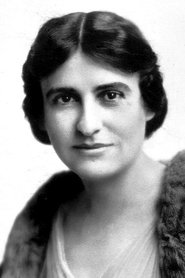
Florence Auer
Actor
Born: March 3, 1880 in New York City, New York, USA Died: May 6, 1962 Active: 1908-1935
Films
4 films
About Florence Auer
American actress and figure in early cinema who began her career with the Biograph Studio in 1908. She worked extensively during the formative years of American film, appearing in numerous one-reel shorts that helped establish the fundamental language of cinema. Auer was particularly notable for her collaborations with director D.W. Griffith during his most innovative period at Biograph, where she demonstrated remarkable versatility in both comedic and dramatic roles. Her the crucial transition from short films to features and from silent cinema to sound, making her one of the few actresses to successfully navigate these monumental changes in the industry. She married fellow filmmaker Harry Solter, forming one of early Hollywood's most influential creative partnerships. Auer appeared in over 100 films throughout her nearly three-decade career, with her most prolific period being between 1908-1915 when she was recognizable faces in American cinema. Her final film appearance came in 1935, closing out a career that had witnessed and contributed to the complete evolution of the American film industry.
The Craft
On Screen
Florence Auer's acting style evolved significantly throughout her career, reflecting the changing demands of cinema itself. In her early Biograph period, she employed the broad, theatrical gestures and exaggerated facial expressions typical of silent film pioneers, ensuring emotions could be clearly conveyed without dialogue. As cinema matured, she adapted to more subtle and naturalistic techniques, demonstrating remarkable versatility across genres. Her performances showed particular strength in comedic timing and dramatic intensity, often within the same film. Auer was among the first generation of actors to learn their craft specifically for the camera rather than transitioning from stage performance, contributing to the development of film acting as a distinct discipline.
Milestones
- work with D.W. Griffith at Biograph Studio (1908-1911)
- Marriage to director Harry Solter, forming early Hollywood power couple
- Transition from silent to sound films successfully
- Over 100 film appearances spanning 27 years
- One of the first professional film actresses in American cinema
- Worked during the crucial development period of narrative cinema
Best Known For
Iconic Roles
Must-See Films
Accolades
Special Recognition
- Recognition as actress in early American cinema
- Historical significance as one of first professional film actresses
- Contributions to development of film acting techniques
Working Relationships
Worked Often With
Studios
Why They Matter
Impact on Culture
Florence Auer was instrumental in establishing the very foundation of American cinema during its most crucial developmental period. As one of the first professional film actresses, she helped demonstrate that film could support careers distinct from stage performance, contributing to the emergence of cinema as a legitimate art form and industry. Her work with D.W. Griffith during his Biograph years contributed to the development of narrative film techniques that would become standard worldwide. Auer was part of the generation that essentially invented film acting, learning how to perform for cameras rather than live audiences. Her longevity in the industry, spanning from primitive one-reel shorts through the early sound era, demonstrated the adaptability required in the rapidly evolving medium. As a woman working in the early film industry, she helped establish opportunities for female performers that would expand throughout Hollywood's golden age.
Lasting Legacy
Florence Auer's legacy lies in her role as a figure who helped establish American cinema during its infancy. Her extensive filmography from 1908-1915 provides invaluable documentation of early cinematic storytelling and the evolution of film acting techniques. While not as widely remembered as contemporaries like Mary Pickford, Auer represents the important contributions of the many talented performers who built the film industry from the ground up. Her successful navigation of the transition from silent to sound cinema demonstrated remarkable adaptability that would become essential for film actors. Auer's work serves as a historical record of the development of American film language and the emergence of the star system. She stands as an example of the women who were crucial to cinema's development but whose contributions have often been overlooked in traditional film histories.
Who They Inspired
Florence Auer influenced the development of film acting through her work during the medium's formative years. As one of the first actresses to work exclusively in film rather than transitioning from stage, she helped establish techniques specific to camera performance. Her versatility across genres demonstrated the range of possibilities for film acting, influencing subsequent generations of performers. The techniques she developed for conveying emotion without dialogue became foundational for silent cinema. Her successful career longevity influenced other actors by demonstrating the potential for sustained careers in the new medium of film. Auer's work with innovative directors like D.W. Griffith contributed to the establishment of collaborative relationships between actors and directors that would become standard in the industry.
Off Screen
Florence Auer married Harry Solter, a prominent actor and director who was also a key figure in early American cinema. Their marriage in 1908 connected two important pioneers of the film industry during its most formative period. Solter later became a successful director for the American Mutoscope and Biograph Company and other studios, often casting his wife in leading roles. The couple remained married until Solter's death in 1920. Auer was part of the close-knit community of early film professionals who essentially invented the movie industry in New York and New Jersey before the migration to Hollywood. She witnessed and participated in the transformation of cinema from a novelty attraction to a major entertainment industry.
Education
Limited formal education documentation, typical of early cinema era where many actors came from theatrical or vaudeville backgrounds without formal academic training in performance arts
Family
- Harry Solter (1908-1920)
Did You Know?
- One of the first actresses to work exclusively in film rather than transitioning from stage performance
- Appeared in over 100 films during her career, though many early shorts are now lost
- Married to director Harry Solter, making them one of early Hollywood's power couples
- Worked with D.W. Griffith during his most innovative and influential period at Biograph
- Was part of the group that essentially invented film acting as a distinct discipline
- Her active years covered the entire development from one-reel shorts to feature films with sound
- Many of her early Biograph films were shot in Fort Lee, New Jersey, before the industry moved to Hollywood
- She worked alongside future stars like Mary Pickford and Lionel Barrymore before they became famous
- Her film work provides a valuable historical record of early American cinematic techniques
- She was one of the few actresses from the very early cinema period to successfully transition to sound films
- Auer was part of the close-knit Biograph troupe that included many future Hollywood legends
- Her performances helped establish the star system that would dominate Hollywood for decades
In Their Own Words
On early filmmaking: 'We were making it up as we went along. No one knew what would work on screen, so we tried everything.'
On working with D.W. Griffith: 'He was learning as much as we were. Every day was an experiment in what this new medium could do.'
Frequently Asked Questions
Who was Florence Auer?
American actress and figure in early cinema who began her career with Biograph Studio in 1908. She worked extensively with director D.W. Griffith during the formative years of American film, appearing in over 100 movies throughout her 27-year career and helping establish film acting as a distinct discipline.
What films is Florence Auer best known for?
Titles linked here include The Sculptor's Nightmare (1908), The Fatal Hour (1908).
When was Florence Auer born and when did she die?
Born March 3, 1880; died May 6, 1962.
What awards did Florence Auer win?
Florence Auer did not receive major formal awards during her active career, as she was most prominent during the early years of cinema before award ceremonies like the Academy Awards were established. Her recognition comes primarily from her historical importance as a film actress who helped establish the foundations of American cinema.
What was Florence Auer's acting style?
Florence Auer's acting style evolved with the medium, starting with broad, expressive gestures typical of early silent cinema and gradually becoming more subtle as film acting developed. She was known for her versatility in both comedic and dramatic roles, and was among the first generation of actors to learn their craft specifically for the camera rather than transitioning from stage performance.