
The Sculptor's Nightmare
"Political, then consequences"
Keys: Space play/pause · ←/→ 10s · F fullscreen · M mute · </> speed
About this film
At a political club, the members debate whose bust will replace that of Theodore Roosevelt. Unable to agree, each goes to a sculptor's studio and bribes him to sculpt a bust of the individual favorite.
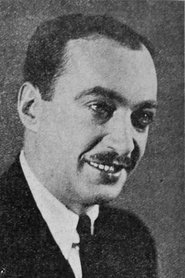
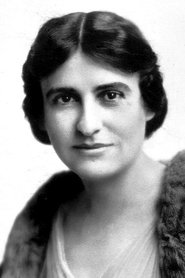
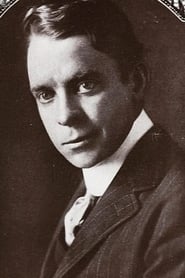
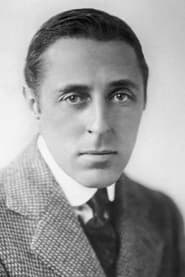
Cast & crew
More films like this

More Comedy films
View all →







More from Wallace McCutcheon Sr.
View all →

More about this film
About the production
Release dateSeptember 1908
Box officeUnknown (Biograph films were rented rather than sold, individual box office figures not tracked)
ProductionAmerican Mutoscope and Biograph Company
Filmed inBiograph Studio, New York City
This film represents one of the earliest examples of stop-motion animation in American cinema, created by manipulating clay busts frame by frame. The production utilized Biograph's proprietary 68mm film format, which provided superior image quality compared to the more common 35mm. The political satire was daring for its time, directly referencing contemporary political figures during an active election year. The film was shot in a single day, as was typical for Biograph productions of this era, with the animated sequences requiring meticulous planning and execution.
Themes
Political SatireThe Nature of PowerArtistic Integrity vs. CorruptionDreams and the SubconsciousAmerican Democracy
Themes & topics
SculptorNightmarePolitical SatireStop-Motion AnimationElectionBustsClay AnimationDream SequenceTheodore RooseveltBriberyJailDrunkenness
Historical background
The Sculptor's Nightmare reached screens around 1908, produced in its country of origin. Programs then mixed actualities, dances, and staged scenes in single-reel slots.
Why this film matters
Researchers cite The Sculptor's Nightmare when tracing screen culture of its decade. Its brevity makes it useful for teaching how early narratives were staged.
Making of
The production of 'The Sculptor's Nightmare' took place at Biograph's rooftop studio in New York City, where natural lighting was essential for the early film equipment. The stop-motion animation sequences required extraordinary patience and precision, with each clay bust needing to be slightly repositioned between frames to create the illusion of movement. The political figures depicted were carefully crafted to be recognizable caricatures while avoiding direct legal issues. The cast, including future director D.W. Griffith, were Biograph regulars who often appeared in multiple films per week. The dinner scene was likely choreographed to maximize comedic effect within the limited timeframe, drawing from stage comedy traditions. The jail set was a simple but effective construction typical of Biograph's efficient production methods.
What critics said
Reviewers in 1908 weighed The Sculptor's Nightmare on clarity, pacing, and audience response rather than prestige status. No single canonical review dominates later reference works for the title.
Did you know?
- This film features D.W. Griffith in one of his earliest screen appearances before he became a director, appearing as an actor rather than behind the camera.
- The stop-motion animation technique used was groundbreaking for 1908, predating more famous early animation works by several years.
- The film was released during the 1908 presidential election campaign, making its political satire particularly timely and relevant to contemporary audiences.
- Biograph's 68mm film format used for this production provided nearly four times the image area of standard 35mm film, resulting in exceptionally clear images for the era.
- The clay busts of political figures were created specifically for this film and were likely destroyed after production, as was common practice in early cinema.
- This film represents a rare example of early political satire in American cinema, a genre that would become more prevalent in later decades.
- The sculptor's drunken dinner scene was likely inspired by popular vaudeville routines of the period, reflecting the theatrical influences on early film comedy.
- The film's title plays on the popular 'nightmare dream sequence' trope that would become a staple of surrealist cinema in later decades.
- Edward Dillon, who appears in the film, would later become a prolific director himself, helming over 200 films during his career.
- The Biograph Company did not copyright their films until 1908, and this film was among the first to receive legal protection under the new company policy.
Visual style
The cinematography was typical of Biograph productions of 1908, utilizing the company's proprietary 68mm film format which provided exceptional image clarity and detail. The camera work was static, as was standard for the era, with careful composition to frame both the live-action and animated sequences. The lighting relied primarily on natural light from the rooftop studio, creating the high-contrast images characteristic of early cinema. The stop-motion animation sequences required precise camera positioning to maintain consistency between frames. The film employed simple but effective editing techniques, including cross-cutting between the sculptor's various encounters with the political club members.
Innovations
The film's most significant technical achievement was its pioneering use of stop-motion animation, one of the earliest examples in American cinema. The manipulation of clay busts frame by frame demonstrated remarkable technical sophistication for 1908. The production utilized Biograph's advanced 68mm film format, which provided superior image quality compared to contemporary formats. The seamless integration of live-action and animated sequences was innovative for the period. The film's efficient production schedule, completing multiple scenes in a single day, reflected the highly organized studio system Biograph had developed. The creation of recognizable political caricatures in clay required considerable artistic skill and attention to detail.
Music
As a silent film from 1908, 'The Sculptor's Nightmare' had no synchronized soundtrack. During its original theatrical run, the film would have been accompanied by live music, typically a pianist or small ensemble in nickelodeon theaters. The musical accompaniment would have been improvised or selected from standard repertoire appropriate to the film's mood and action. For the political satire elements, popular patriotic tunes or campaign songs might have been incorporated. The dream sequence would likely have been accompanied by more mysterious or fantastical musical selections. Modern screenings of the film often feature newly composed scores or carefully selected period-appropriate music.
Famous quotes
No recorded dialogue from this silent film
Memorable scenes
- The stop-motion animation sequence where the clay busts of William Jennings Bryan, Charles W. Fairbanks, and William Howard Taft come to life and move independently, representing one of the earliest examples of this technique in American cinema. The scene culminates with the appearance of Theodore Roosevelt's animated bust, asserting his continued political relevance through the magical animation of his clay likeness.
What audiences thought
Audience reception in 1908 would have been influenced by the film's timely political content and novel animation techniques. The political satire would have resonated with audiences following the 1908 presidential campaign, while the stop-motion animation would have provided a spectacle that distinguished the film from more conventional productions of the era. The short runtime and comedic elements made it suitable for the varied programming of nickelodeon theaters. Contemporary audience reactions are not formally documented, but the film's survival suggests it was considered valuable enough for preservation. Modern audiences viewing the film in archival contexts appreciate it primarily for its historical significance and technical innovations rather than its entertainment value.
Film connections
Influenced by
- Vaudeville Comedy Traditions
- Political Cartoons
- Stage Melodrama
- Early Trick Films
This film influenced
- Early Political Satire Films
- Stop-Motion Animation Experiments
- Dream Sequence Films
Film restoration
The film survives in archives and is preserved by the Museum of Modern Art and other film institutions. While some degradation is typical of films from this era, it remains viewable and has been digitized for preservation purposes. The film is part of the Paper Print Collection at the Library of Congress, which has helped ensure its survival.
Where to watch
- Available through the Library of Congress National Screening Room
- Included in some early cinema compilation DVDs
- Accessible through various film archive websites
- Screened occasionally at film museums and special cinema events
- Available on some streaming services specializing in classic films