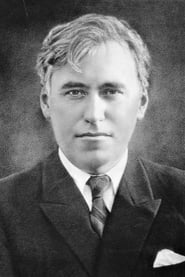
Mack Sennett
Actor & Director
Born: January 17, 1880 in Richmond, Quebec, Canada Died: November 5, 1960 Active: 1908-1933 Birth Name: Michael Sinnott
Films
91 films
Her Friend the Bandit
1914
The Fatal Mallet
1914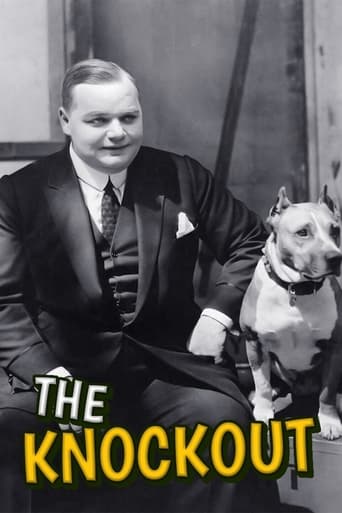
The Knockout
1914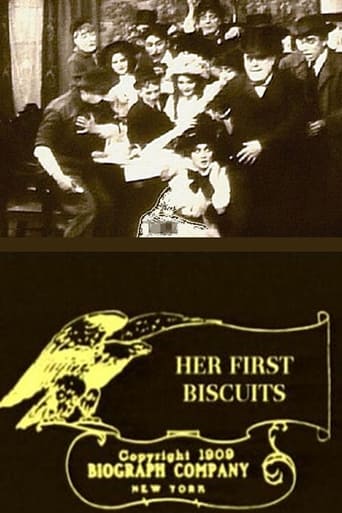
Her First Biscuits
1909
The Sealed Room
1909
Money Mad
1908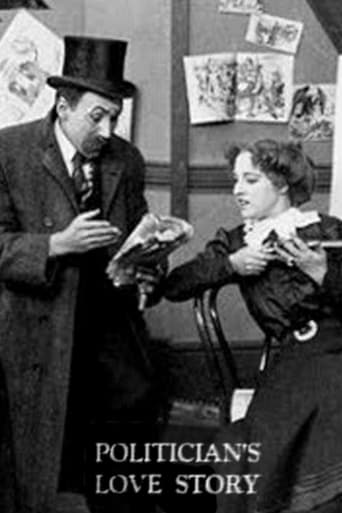
The Politician's Love Story
1909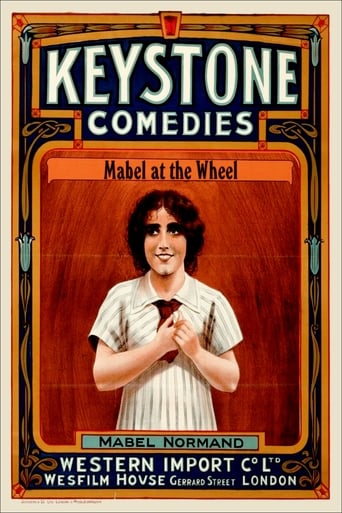
Mabel at the Wheel
1914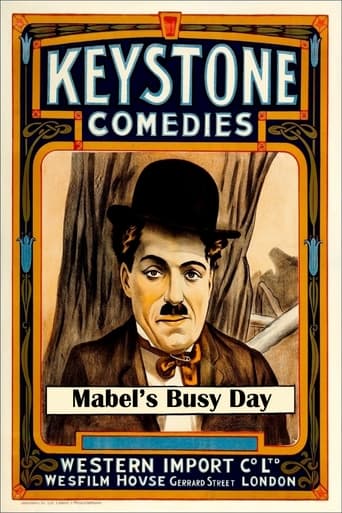
Mabel's Busy Day
1914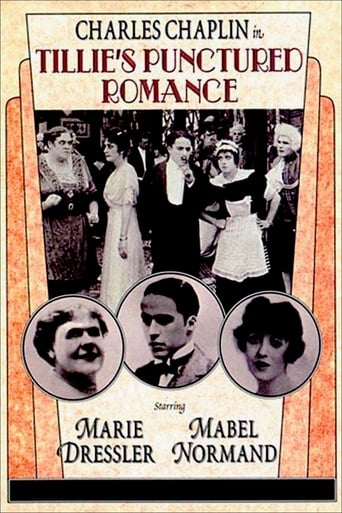
Tillie's Punctured Romance
1914
The Water Nymph
1912
The Curtain Pole
1909
Romance of a Jewess
1908
1776, or The Hessian Renegades
1909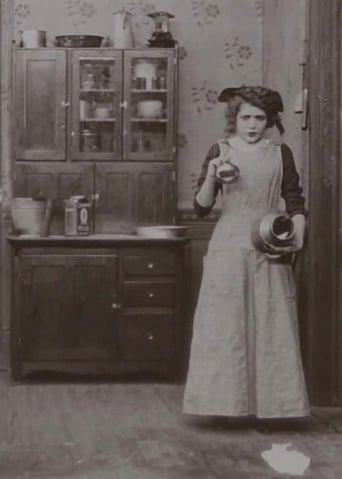
All on Account of the Milk
1910
The Golden Louis
1909
Tango Tangles
1914
Mabel's Married Life
1914
The Zulu's Heart
1908
A Busy Day
1914
Father Gets in the Game
1908
Peeping Pete
1913
The Black Viper
1908
Balked at the Altar
1908
Mabel's New Hero
1913
A Bandit
1913
A Strange Meeting
1909
The Call of the Wild
1908
Betrayed by a Handprint
1908
Mr. Jones at the Ball
1908
The Devil
1908
The Ragtime Band
1913
The Song of the Shirt
1908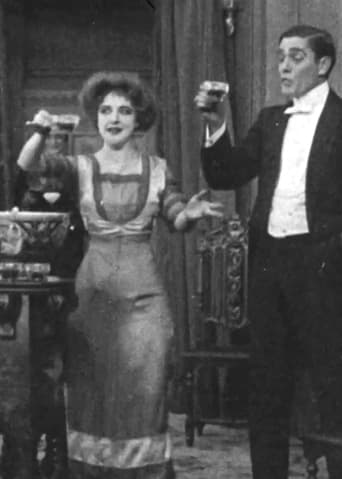
The Day After
1909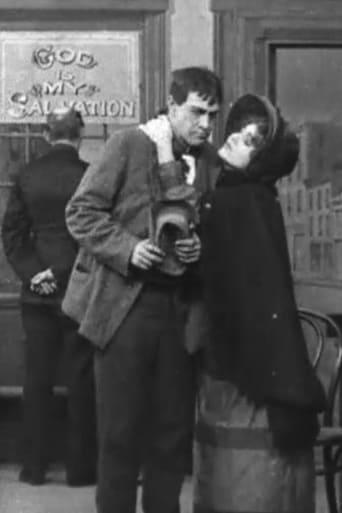
The Salvation Army Lass
1909
Lucky Jim
1909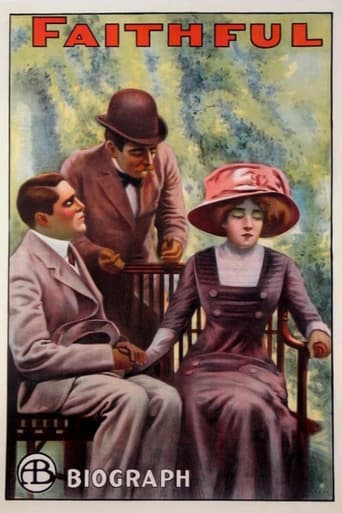
Faithful
1910
Resurrection
1909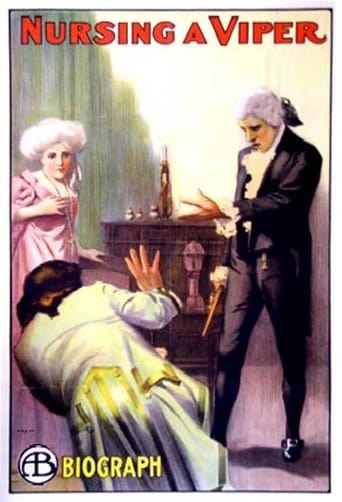
Nursing a Viper
1909
An Arcadian Maid
1910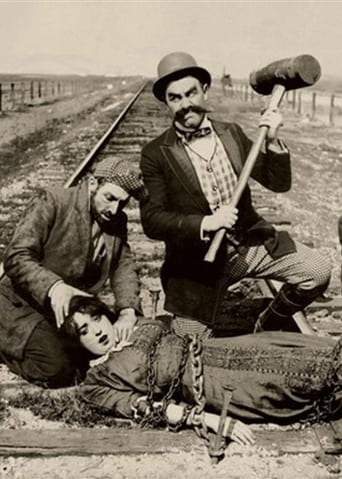
Barney Oldfield's Race for a Life
1913
A Trap for Santa Claus
1909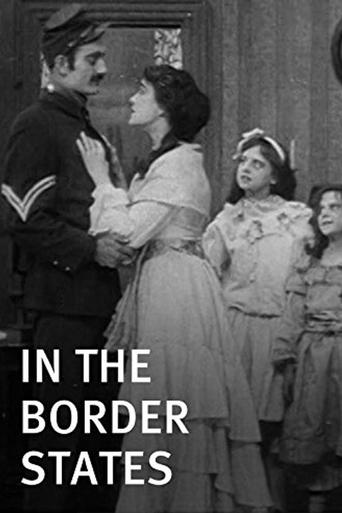
In the Border States
1910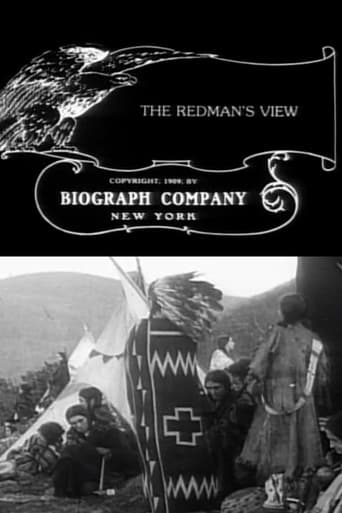
The Redman's View
1909No Poster
The Bees' Buzz
1929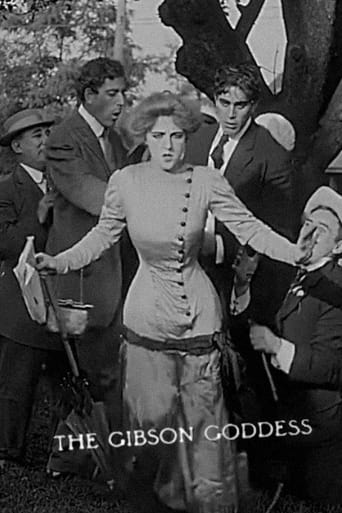
The Gibson Goddess
1909
The Cardinal's Conspiracy
1909
Mabel Lost and Won
1915
The Little Teacher
1915
Mr. Jones Has a Card Party
1909
The Old Barn
1929
Cohen Saves the Flag
1913
Hello, Mabel
1914
A Dash Through the Clouds
1912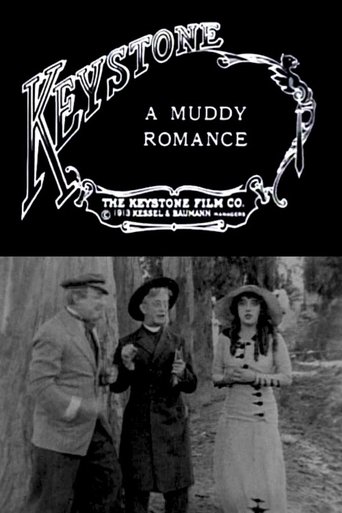
A Muddy Romance
1913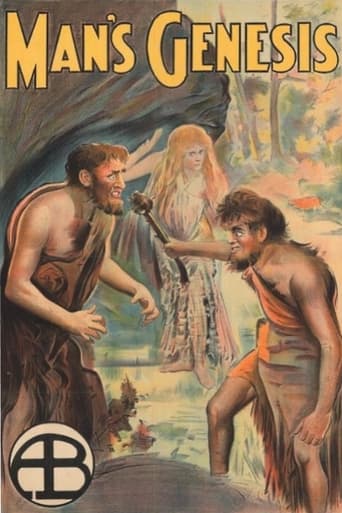
Man's Genesis
1912
The Sculptor's Nightmare
1908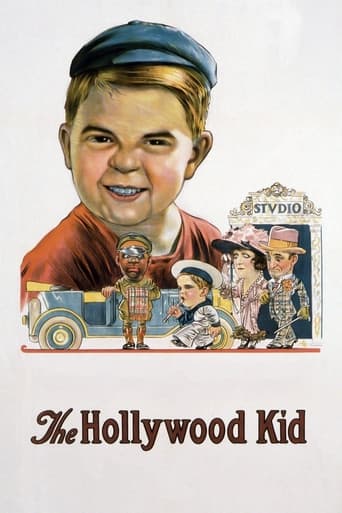
The Hollywood Kid
1924No Poster
The Golfers
1929
The Fatal Hour
1908
The Seventh Day
1909
Over the Hills to the Poor House
1908
Oh, Uncle!
1909
Hot Stuff
1912
The Way of Man
1909
The Girls and Daddy
1909
Won by a Fish
1912
What the Daisy Said
1910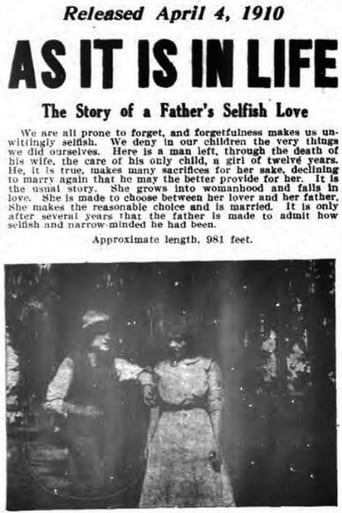
As It Is in Life
1910
Over Silent Paths
1910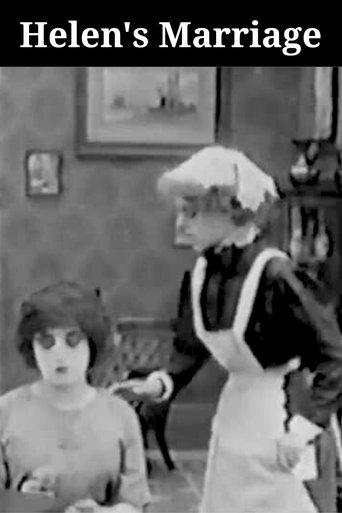
Helen's Marriage
1912
Help! Help!
1912
The Brave Hunter
1912
The Fickle Spaniard
1912
The Furs
1912
A Spanish Dilemma
1912
Tomboy Bessie
1912
Katchem Kate
1912
What the Doctor Ordered
1912
Hide and Seek
1913
The Manicure Lady
1911
The Speed Demon
1912
The Tourists
1912
Mabel's Dramatic Career
1913
His Trust Fulfilled
1911
The Cricket on the Hearth
1909
The Gusher
1913
Scotch
1930No Poster
Bulls and Bears
1930
The Bluffer
1930About Mack Sennett
Mack Sennett, born Michael Sinnott, was a Canadian-American film director, producer, and actor who revolutionized silent comedy cinema. He began his career as an actor with Biograph Studios in 1908, appearing in numerous D.W. Griffith films before transitioning to directing. In 1912, he founded Keystone Studios, which became the birthplace of American slapstick comedy and introduced the world to the Keystone Cops. Sennett discovered and mentored countless future stars, most notably Charlie Chaplin, whom he brought to Hollywood in 1913. His innovative approach to comedy emphasized physical humor, elaborate chase sequences, and rapid pacing that became hallmarks of silent-era comedy. Despite his massive success in the 1910s and early 1920s, Sennett struggled to adapt to the transition to sound films and changing audience tastes. He received an Honorary Academy Award in 1938 for his lasting contribution to comedy cinema, cementing his legacy as the 'King of Comedy' who helped establish Hollywood as the entertainment capital of the world.
The Craft
On Screen
As an actor, Sennett typically played supporting comic roles characterized by exaggerated physical comedy and broad gestures. His performances were energetic and acrobatic, often involving pratfalls, chase sequences, and visual gags. While not as refined as some of his later discoveries, his acting style embodied the raw, energetic comedy that would become his trademark as a director.
Behind the Camera
Sennett's directing style was characterized by fast-paced action, elaborate chase sequences, and innovative use of physical comedy. He pioneered techniques such as the pie-throwing gag, exaggerated stunts, and chaotic ensemble comedy. His films featured rapid editing, dynamic camera movement for the era, and an emphasis on visual humor over dialogue. Sennett encouraged improvisation and spontaneity on set, allowing performers to develop their own comic timing and physical comedy skills.
Milestones
- Founded Keystone Studios in 1912
- Created the iconic Keystone Cops comedy troupe
- Discovered and mentored Charlie Chaplin in 1913
- Produced over 1,000 short comedy films
- Won Honorary Academy Award in 1938
- Pioneered the pie-throwing gag in film comedy
- Helped establish Hollywood as the film industry center
Best Known For
Iconic Roles
Must-See Films
Accolades
Won
- Honorary Academy Award (1938) - For his lasting contribution to the comedy technique of the screen
Special Recognition
- Hollywood Walk of Fame star (located at 6712 Hollywood Boulevard)
- Inducted into Canada's Walk of Fame (2006)
- Honorary Academy Award recipient (1938)
Working Relationships
Worked Often With
Studios
Why They Matter
Impact on Culture
Mack Sennett fundamentally shaped the language of film comedy, establishing conventions that would influence generations of filmmakers. His Keystone Studios became a comedy factory that defined American humor in the silent era, with the Keystone Cops becoming an enduring cultural symbol of chaotic comedy. Sennett's emphasis on physical comedy and visual gags created a universal language of humor that transcended cultural and linguistic barriers, helping American cinema achieve global dominance. His discovery and development of talent like Charlie Chaplin had ripple effects throughout the industry, as these performers would go on to create their own influential bodies of work.
Lasting Legacy
Sennett's legacy as the 'King of Comedy' endures through his lasting impact on film comedy techniques and his role in launching the careers of numerous Hollywood legends. The Keystone Cops remain. His business model of producing short, formulaic comedy films efficiently influenced studio production methods throughout Hollywood's Golden Age. While his personal fortune faded, his artistic contributions to cinema earned him recognition as one of the foundational figures of American film comedy.
Who They Inspired
Sennett's influence on comedy filmmaking is immeasurable, establishing the template for slapstick comedy that would be refined by his protégés and successors. His emphasis on physical comedy influenced everyone from the Marx Brothers to The Three Stooges, and later physical comedians like Jackie Chan and Jim Carrey. The rapid pacing and visual gags he pioneered can be seen in modern comedy films and television shows. His discovery and development of talent created a ripple effect through Hollywood, as the stars he mentored would go on to influence subsequent generations of performers and filmmakers.
Off Screen
Sennett never married but had several high-profile relationships, most notably with actress Mabel Normand, who was both his professional partner and romantic interest for many years. He was known for his frugal personal habits despite his professional success, often wearing the same clothes for years. In his later years, he suffered financial difficulties and had to sell his studio assets. He spent his final years in Woodland Hills, California, living modestly despite having once been one of Hollywood's wealthiest producers.
Education
Limited formal education; left school early to work various jobs including as a blacksmith's apprentice, boilermaker, and hotel porter before entering show business.
Family
- Never married
Did You Know?
- His birth name was Michael Sinnott, but he changed it to Mack Sennett when entering show business
- He originally wanted to be an opera singer before turning to film
- Keystone Studios produced an average of one short film per week at its peak
- The famous Keystone Kops were originally supposed to be serious police characters
- He discovered Charlie Chaplin while looking for someone to replace his star comedian Ford Sterling
- The first film pie in the face was thrown by Mabel Normand at Ben Turpin in a 1913 Sennett comedy
- He once offered a $25,000 reward for information leading to the arrest of those who murdered his friend William Desmond Taylor
- Despite his success, he was notoriously frugal and often reused props and costumes
- His studio was one of the first to use artificial lighting for night scenes
- He sold his studio assets for just $75,000 during the Great Depression
In Their Own Words
I didn't discover Charlie Chaplin. I simply gave him the opportunity to discover himself.
Comedy is a serious business. You have to be deadly serious about it.
The public is the best critic. They know what they like and they like what makes them laugh.
In the movies, you can do anything. The only limit is your imagination.
I never made a picture that cost more than $25,000 and made me less than $100,000.
Frequently Asked Questions
Who was Mack Sennett?
Canadian-American on YTB.my. He discovered and mentored numerous Hollywood legends including Charlie Chaplin and created the iconic Keystone Cops comedy troupe.
What films is Mack Sennett best known for?
Titles linked here include The Water Nymph (1912), The Kid Auto Races at Venice (1914).
When was Mack Sennett born and when did he die?
Born January 17, 1880; died November 5, 1960.
What awards did Mack Sennett win?
Mack Sennett received an Honorary Academy Award in 1938 for his lasting contribution to the comedy technique of the screen. He also has a star on the Hollywood Walk of Fame and was posthumously inducted into Canada's Walk of Fame in 2006.
What was Mack Sennett's directing style?
Sennett's directing style was characterized by fast-paced slapstick comedy, elaborate chase sequences, and innovative physical gags. He emphasized visual humor over dialogue, encouraged improvisation, and pioneered techniques like the pie-throwing gag and the chaotic Keystone Cops chases that became comedy staples.
How did Mack Sennett influence cinema?
Sennett fundamentally shaped film comedy by establishing the language of slapstick that influenced generations of filmmakers. He discovered and mentored future stars like Charlie Chaplin, created the Keystone Studios production model, and developed comedy techniques that remain influential in modern entertainment.
Why is Mack Sennett important to film history?
Mack Sennett is crucial to film history as the architect of American comedy cinema who helped establish Hollywood as the entertainment capital. His Keystone Studios became a comedy factory that defined silent-era humor, and his discovery of talent like Charlie Chaplin had lasting impacts on the industry.
What happened to Mack Sennett's career?
Sennett's career peaked in the 1910s and early 1920s but declined with the transition to sound films and changing audience tastes. He struggled financially during the Great Depression, sold his studio assets, and made his last films in the early 1930s before receiving his honorary Oscar in 1938.