
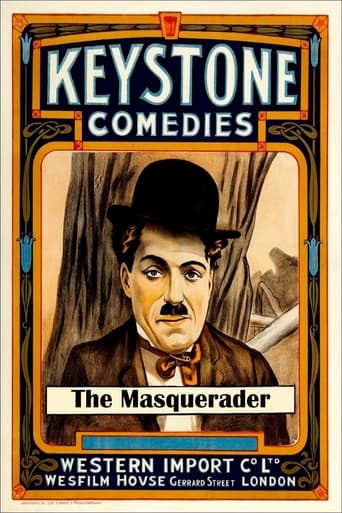
A Busy Day
"After he starts to flirt with a pretty woman"
Keys: Space play/pause · ←/→ 10s · F fullscreen · M mute · </> speed
About this film
A jealous wife is chasing her unfaithful husband during a parade, after he starts to flirt with a pretty woman.
Cast & crew
More films like this

More Comedy films
View all →







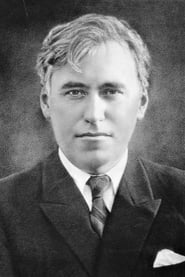
More from Mack Sennett
View all →

More about this film
About the production
Release dateMay 7, 1914
ProductionKeystone Studios
Filmed inLos Angeles, California, Mack Sennett Studios
This film is notable for featuring Charlie Chaplin in drag as the jealous wife, a rare occurrence in his filmography where he played a female character. The film was shot quickly in typical Keystone fashion, with minimal rehearsal and emphasis on spontaneous physical comedy. The parade sequence was filmed using real street scenes in Los Angeles, capturing authentic crowd reactions. Chaplin's portrayal of the wife included wearing a dress, bonnet, and false mustache to create a comically unconvincing female appearance.
Themes
Domestic discordJealousyGender rolesUrban chaosMarital conflict
Themes & topics
paradechasejealousyhusband wife relationshipinfidelityslapstickgender disguisephysical comedyurban settingdomestic violence
Historical background
A Busy Day (1914) emerged during the silent era before feature-length dominance, when exhibition habits and national film industries were still taking shape.
Why this film matters
A Busy Day remains accessible through digital archives, giving modern viewers a direct link to 1914 screen culture.
Making of
The production of 'A Busy Day' exemplified the rapid-fire filmmaking approach of Keystone Studios, where films were often shot in just a few days. Chaplin, still new to American cinema, was experimenting with different character types and found himself in the unusual position of playing a female character. The decision to cast him as the wife was likely a combination of necessity and the desire for a novel comedic effect. The filming of the parade sequence presented unique challenges, as the crew had to work around real parade events and capture genuine reactions from crowds. Chaplin's physical comedy skills were already well-honed from his music hall days, but this film required him to adapt his style to the new medium of cinema. The production team utilized the natural chaos of the parade to enhance the comedy, creating a sense of authenticity that studio sets couldn't provide.
What critics said
Where contemporary reviews survive, A Busy Day is discussed in terms of audience appeal at release; later criticism often reframes it through archive restoration and festival programming.
Did you know?
- This is one of the few films where Charlie Chaplin played a female character, though he had previously played women in English music halls.
- The film was originally titled 'A Flirtation's Mistake' in some markets.
- Mack Sennett, the director, was the founder of Keystone Studios and known as 'The King of Comedy'.
- The film features real Los Angeles street scenes, providing a historical document of the city in 1914.
- Chaplin's wife character was named 'Mrs. Brown' in the film, while his husband character was played by Mack Swain.
- This was one of Chaplin's earliest films at Keystone, made just a few months after he arrived in Hollywood.
- The film showcases the typical Keystone style of fast-paced, chaotic comedy that would influence generations of filmmakers.
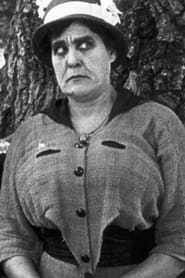
- Phyllis Allen, who played the pretty woman, would appear in several other Chaplin films.
- The parade scene was filmed during an actual parade, adding authenticity to the chaos.
- This film demonstrates Chaplin's early experimentation with character types before he created the iconic Tramp character.
Visual style
The cinematography by Frank D. Williams and Henry Lehrman employed the straightforward, functional style typical of Keystone productions. The camera work was primarily static, focusing on capturing the physical action clearly. The parade sequence utilized wide shots to establish the scale of the chaos, while interior scenes used medium shots to highlight the character interactions and gags. The filming technique prioritized clarity of action over artistic composition, ensuring that audiences could follow the rapid-paced comedy. The natural lighting in outdoor scenes and the use of real locations gave the film an authentic feel that enhanced the comedic impact.
Innovations
While not technically innovative for its time, the film demonstrated effective use of location shooting and the incorporation of real events into fictional narratives. The successful integration of actual parade footage with staged comedy sequences showed an early understanding of how to blend reality and fiction for comedic effect. The film's pacing and editing, while simple by modern standards, effectively maintained the rapid rhythm essential to Keystone-style comedy. The physical comedy sequences required careful choreography and timing, demonstrating the emerging craft of screen comedy performance.
Music
As a silent film, 'A Busy Day' would have been accompanied by live musical performance in theaters. The typical score would have been compiled from popular classical pieces and theater music libraries, with selections chosen to match the on-screen action. During chase sequences, faster-paced music would have been played, while moments of domestic conflict might have been accompanied by dramatic or comedic musical cues. The exact musical accompaniment would have varied by theater and musician, as was common practice during the silent era. Some modern screenings of the film feature newly composed scores or period-appropriate music to recreate the original viewing experience.
Memorable scenes
- The opening scene where Chaplin, as the wife, discovers her husband flirting during the parade
- The extended chase sequence through the crowded streets with Chaplin pushing people out of the way
- The apartment building scene where the wife searches for her hiding husband
- The final confrontation on the street involving multiple bystanders
What audiences thought
Audiences in 1914 responded enthusiastically to the film's rapid-fire gags and the novelty of seeing Chaplin play a female character. The film was popular in theaters and helped establish Chaplin's growing reputation as a comedy star. Contemporary audience reactions were recorded in trade publications, which noted that the film generated consistent laughter and applause, particularly during the chaotic chase sequences. Modern audiences viewing the film through archives and screenings often express fascination with its historical value and the raw energy of the comedy, though some of the gender-based humor may appear dated to contemporary viewers.
Film connections
Influenced by
- English music hall tradition
- French slapstick comedy
- Mack Sennett's Keystone comedy formula
- Vaudeville performance styles
This film influenced
- Later Chaplin comedies featuring domestic themes
- Keystone films with similar chase sequences
- Later gender-bending comedies
- Slapstick films featuring urban chaos
Film restoration
The film survives in complete form and has been preserved by various film archives, including the Library of Congress and the Museum of Modern Art. Multiple copies exist in different archives, and the film has been included in several Chaplin collections and DVD releases. The surviving prints show some wear typical of films from this era but remain largely intact and viewable. The film has undergone restoration for various home media releases, helping to preserve this important early work in Chaplin's filmography.
Where to watch
- The film is available on various DVD collections of Chaplin's early work
- Streaming services specializing in classic cinema
- YouTube (through official channels like Flicker Alley)
- Film archive websites
- Museum screenings and classic film festivals