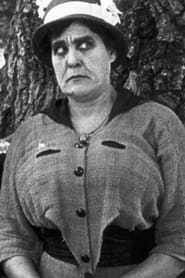
Phyllis Allen
Actor
Born: November 25, 1861 in New York City, New York, USA Died: March 26, 1938 Active: 1914-1922
Films
19 films
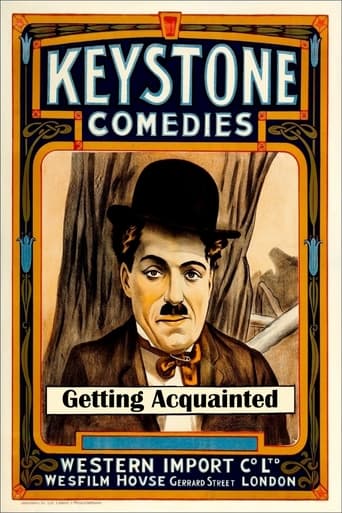
Getting Acquainted
1914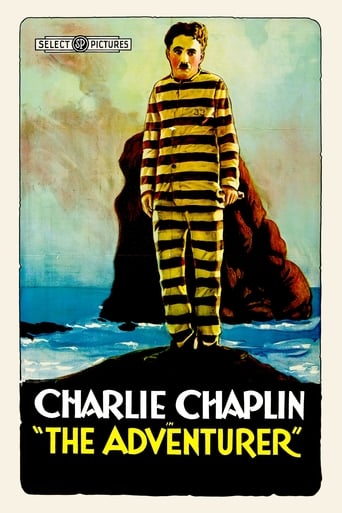
The Adventurer
1917
The Vagabond
1916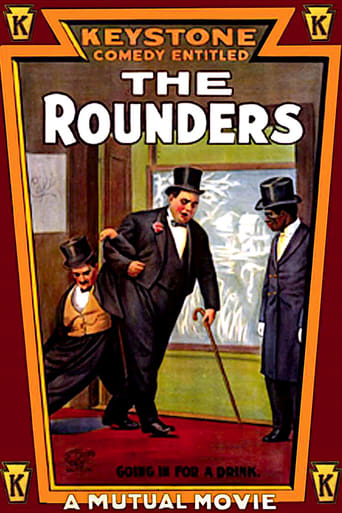
The Rounders
1914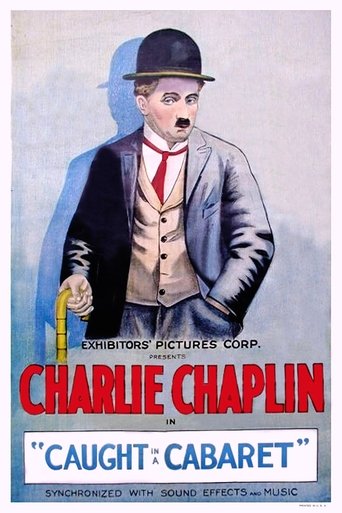
Caught in a Cabaret
1914
Gentlemen of Nerve
1914
The Star Boarder
1914
His Trysting Places
1914
The Property Man
1914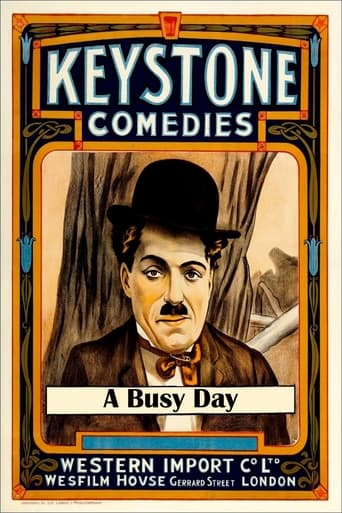
A Busy Day
1914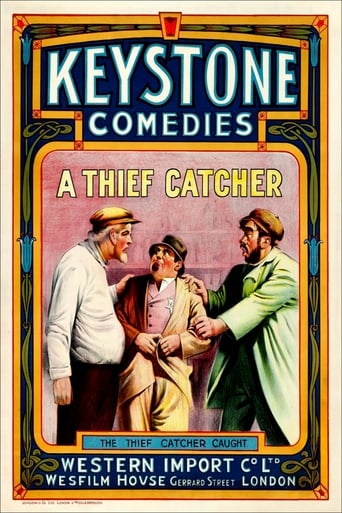
A Thief Catcher
1914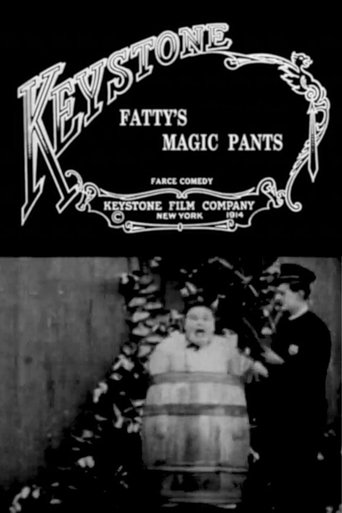
Fatty's Magic Pants
1914
That Little Band Of Gold
1915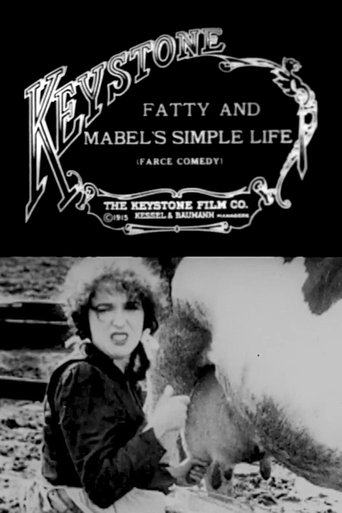
Fatty and Mabel’s Simple Life
1915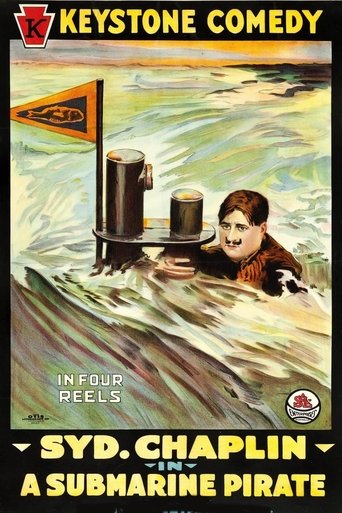
A Submarine Pirate
1915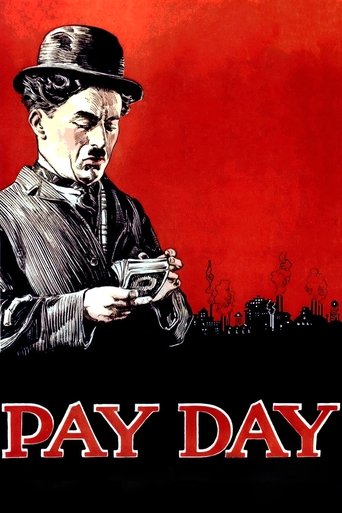
Pay Day
1922
Leading Lizzie Astray
1914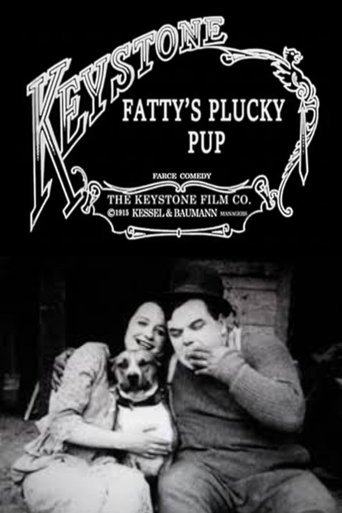
Fatty’s Plucky Pup
1915About Phyllis Allen
American character actress who became a prominent figure in the early silent film era, particularly known for her work with Charlie Chaplin during his Keystone period. Born in the mid-19th century, she began her film career relatively late in life, already in her fifties when she made her debut in 1914. Allen quickly became a regular in Chaplin's short comedies, often playing formidable matronly characters who served as perfect foils to Chaplin's Tramp character. Her imposing presence and comedic timing made her an invaluable supporting player in over two dozen films between 1914 and 1922. Allen worked primarily with Keystone Studios under Mack Sennett's direction, appearing in many of the most significant early Chaplin comedies that helped establish cinema as a popular art form. After her film career ended in 1922, she largely disappeared from public life, with little documentation about her final years. Despite her relatively brief career span, Allen's contributions to early film comedy remain significant as part of the foundation of American cinematic humor.
The Craft
On Screen
Phyllis Allen specialized in portraying formidable, often intimidating matronly characters with perfect comedic timing. Her physical presence was imposing, which she used effectively as a contrast to the smaller, more agile comedy stars like Chaplin. Allen's acting technique relied heavily on facial expressions and body language, as was typical of the silent era. She had a remarkable ability to switch from stern authority to flustered comedy in moments, creating memorable reactions to the chaotic situations around her. Her style was rooted in stage traditions but adapted perfectly to the intimate medium of film.
Milestones
- Regular supporting actress in Charlie Chaplin's Keystone comedies (1914-1915)
- Appeared in over 30 films during her 8-year career
- Worked with comedy director Mack Sennett
- Featured in some of the most influential early American comedy shorts
- Established the archetype of the formidable matron in silent comedy
Best Known For
Iconic Roles
Must-See Films
Working Relationships
Worked Often With
Studios
Why They Matter
Impact on Culture
Phyllis Allen played a significant role in establishing the language of film comedy during its formative years. As a regular in Charlie Chaplin's early works, she contributed to the development of character archetypes that would influence comedy for decades. Her portrayal of formidable matronly figures helped create the contrast necessary for physical comedy to thrive, establishing a dynamic that would be replicated in countless future comedies. Allen's work with Chaplin during his Keystone period represents some of the most important comedy filmmaking of the early 20th century, films that were instrumental in making cinema a popular entertainment medium worldwide.
Lasting Legacy
Phyllis Allen's legacy lies in her contribution to the foundation of American film comedy. Though she was never a star in her own right, her consistent presence in early Chaplin films makes her an important figure in cinema history. Film historians and silent cinema enthusiasts recognize her as part of the essential supporting cast that helped launch Chaplin to international stardom. Her performances continue to be studied as examples of early film acting technique and comedy timing. Allen represents the countless character actors who were essential to the success of early cinema but whose names have faded from public memory, making her a symbol of the unsung contributors to film history.
Who They Inspired
Allen's work influenced the development of the character actress role in film comedy, particularly in the archetype of the formidable matron. Her ability to serve as an effective straight woman while maintaining her own comedic presence became a model for future character actors in comedy. The dynamic she created with Chaplin influenced how comedy pairs and groups would be structured in subsequent decades. Her performances demonstrated how supporting characters could be essential to the success of comedy films without overshadowing the stars, a lesson that continues to be relevant in comedy filmmaking.
Off Screen
Very little is documented about Phyllis Allen's personal life outside of her film career. She began acting in films at an unusually advanced age for the time, already in her fifties when she made her debut. Unlike many silent film stars, Allen maintained a relatively private life and did not seek the publicity that many of her contemporaries cultivated. After retiring from films in 1922, she appears to have lived a quiet life away from the entertainment industry. She never married and had no children, dying at the age of 76 in Los Angeles.
Education
No formal education records are available, but she likely had some stage experience before entering films, given her polished performance style at her debut.
Did You Know?
- Began her film career at age 53, unusually old for a debut in the silent era
- Appeared in 11 films with Charlie Chaplin during his Keystone period alone
- Was one of the few older character actresses regularly employed by Keystone
- Her imposing physical presence made her an ideal foil for the diminutive Chaplin
- Often played characters who were physically larger and more powerful than Chaplin's Tramp
- Appeared in 'Tillie's Punctured Romance' (1914), the first full-length comedy feature film
- Retired from films just as the industry was transitioning from shorts to features
- Never received screen credit in most of her films, as was common for supporting actors of the era
- Her active years covered only 8 years but included some of the most influential comedy films ever made
- Died in relative obscurity despite her contributions to early cinema
In Their Own Words
No documented quotes exist from Phyllis Allen, as was common for supporting actors in the silent era who rarely gave interviews and had no dialogue in their films.
Frequently Asked Questions
Who was Phyllis Allen?
American character actress in silent films, best known for her work with Charlie Chaplin during his Keystone Studios period. She frequently played formidable matronly characters and appeared in over 30 films between 1914 and 1922.
What films is Phyllis Allen best known for?
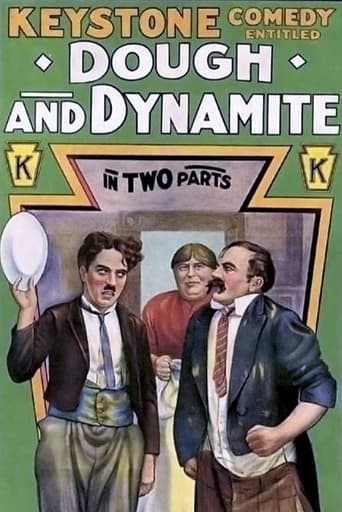
Titles linked here include Dough and Dynamite (1914), Getting Acquainted (1914).
When was Phyllis Allen born and when did she die?
Born November 25, 1861; died March 26, 1938.
What awards did Phyllis Allen win?
Phyllis Allen did not receive any major formal awards during her career, as she worked during the early silent era before the establishment of most film awards, including the Academy Awards which began in 1929 near the end of her career.
What was Phyllis Allen's acting style?
Allen specialized in portraying formidable matronly characters with excellent comedic timing. She used her imposing physical presence as a contrast to smaller comedy stars, relied on expressive facial expressions and body language typical of silent film acting, and could effectively switch from stern authority to flustered comedy.
Did Phyllis Allen work with other famous silent film stars besides Chaplin?
Yes, Allen worked with several prominent silent film figures including Mabel Normand, Mack Sennett, Chester Conklin, and Minta Durfee, though she is most remembered for her collaborations with Chaplin at Keystone Studios.
Why did Phyllis Allen's career end in 1922?
While specific reasons aren't documented, Allen was in her early 60s when she retired, which was advanced for the time. The film industry was also transitioning from shorts to features, and character actors of her age often found fewer opportunities as the industry evolved.