
Getting Acquainted
"Park bench flirtations and swapped spouses"
Keys: Space play/pause · ←/→ 10s · F fullscreen · M mute · </> speed
About this film
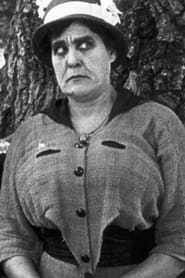
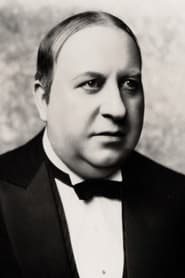
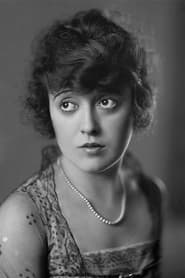
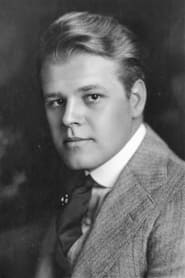
Charlie and his wife are in the park when he encounters Ambrose and his wife. Each man is attracted to and shows unwanted attention to the other man's wife. A policeman becomes involved.
Cast & crew
More films like this


More Comedy films
View all →







More from Charlie Chaplin
View all →


More about this film
About the production
Release dateDecember 7, 1914
Box officeUnknown (Keystone films were highly profitable during this period, with Chaplin's shorts being particularly successful)
ProductionKeystone Studios, Mutual Film Corporation
Filmed inLos Angeles, California, Echo Park area, Keystone Studio backlot
This was one of Chaplin's early films at Keystone, made during his breakthrough year when he was establishing the Tramp character. The film was shot quickly, typical of Keystone's production schedule of completing a short comedy in just a few days. Chaplin was already asserting creative control over his films, despite being relatively new to the studio. The park setting was a favorite location for Keystone comedies due to its accessibility and natural lighting.
Themes
Themes & topics
parkmarried couplesinfidelitypolicechaseslapstickromantic comedymisunderstandingattractionrivalry
Historical background
Getting Acquainted reached screens in 1914 from Keystone Studios, when exhibitors still paired shorts and features in mixed programs.
Why this film matters
Students of early cinema study Getting Acquainted as an example of 1914 treatment of charlie and his wife are in the park when he encounters ambrose and his wife.
Making of
Getting Acquainted was produced during a remarkable creative explosion in Chaplin's career, his first year at Keystone Studios where he quickly evolved from a supporting player to a star attraction. The film showcases Chaplin's growing confidence in his craft, as he was already beginning to refine the physical comedy style that would make him world-famous. Mack Sennett, the head of Keystone, gave Chaplin considerable freedom despite his relative newness to the studio, recognizing his unique talent. The collaboration between Chaplin and Mack Swain was particularly fruitful, as Swain's large, imposing physique provided perfect contrast to Chaplin's nimble Tramp character. The park setting was chosen not just for its visual appeal but because it allowed for natural lighting and eliminated the need for artificial illumination, which was still cumbersome in 1914. The film's simple premise of romantic rivalry was a staple of Keystone comedies, but Chaplin's unique approach elevated it beyond the typical slapstick fare of the era.
What critics said
Contemporary journalism left scarce detail on Getting Acquainted, leaving later critics to infer its 1914 reception.
Did you know?
- This was one of the first films where Chaplin worked with both Mack Swain and Phyllis Allen, who would become regular collaborators in his Keystone films
- The film was released during Chaplin's most prolific year, when he made over 30 short films for Keystone
- Phyllis Allen, who plays Chaplin's wife, was one of the few actresses who could match Chaplin's physical comedy skills
- Mack Swain's character 'Ambrose' became a recurring character in Keystone comedies, often appearing as Chaplin's rival
- The park setting was actually filmed at Echo Park in Los Angeles, a location Keystone used frequently for its comedies
- This film demonstrates Chaplin's early development of the romantic rivalry theme that would appear in many of his later works
- The policeman character was played by Billy Gilbert, who would later become famous for his sneezing routine in talkies
- The film was shot in just two days, typical of Keystone's rapid production schedule
- Chaplin was paid $150 per week at Keystone during this period, but his films were earning the studio thousands
- This short was part of a package deal that Mutual Film Corporation distributed to theaters across the United States
Visual style
The cinematography in Getting Acquainted was typical of Keystone Studios productions in 1914, utilizing stationary cameras placed at eye level to capture the action. The film was shot in natural light, taking advantage of the outdoor park setting to avoid the artificial lighting challenges of indoor filming. The camera work was straightforward and functional, designed primarily to clearly capture the physical comedy rather than create artistic effects. Long takes were favored to allow the performers' full routines to play out without interruption, a technique that suited Chaplin's style of physical comedy. The framing was relatively wide to ensure all characters remained in view during the ensemble scenes, particularly important for the chase sequences that climax the film. The cinematographer, likely one of Keystone's regular cameramen such as Frank D. Williams or Henry Cronjager, would have used a hand-cranked camera, allowing for slight variations in speed that could enhance the comic timing.
Innovations
While Getting Acquainted was not a technically groundbreaking film, it represents solid craftsmanship for its era. The film demonstrates the effective use of location shooting, taking advantage of natural light to create clear, well-exposed images - a significant consideration in the era of slow film stocks. The editing, while basic by modern standards, effectively paces the comedy and builds toward the climactic chase sequence. The film's continuity is well-maintained, showing the growing sophistication of narrative filmmaking in 1914. The physical comedy sequences required precise timing and coordination between performers and camera, demonstrating the increasing professionalism of film production. The use of multiple characters in chase scenes required careful blocking and choreography to maintain clarity and comic effect. While not innovative in technical terms, the film shows the mastery of existing techniques and the refinement of film comedy grammar that was occurring during this period.
Music
As a silent film, Getting Acquainted had no synchronized soundtrack, but would have been accompanied by live music during theatrical screenings. The typical accompaniment would have been provided by a theater's pianist or organist, who would select appropriate music to match the on-screen action. For a comedy like this, the musical selections would likely have included popular songs of the era, classical pieces adapted for comic effect, and improvisational accompaniment that followed the rhythm of the physical comedy. The park setting might have prompted the use of pastoral or light classical pieces during the opening scenes, with more frantic music accompanying the chase sequences. Some theaters with larger orchestras might have provided more elaborate accompaniment, including sound effects created by the orchestra or special effects technicians. Modern restorations of the film are often accompanied by newly composed scores that attempt to capture the spirit of the period while enhancing the viewing experience for contemporary audiences.
Famous quotes
(As a silent film, dialogue was conveyed through title cards and pantomime. The film's humor relied on visual gags and physical comedy rather than spoken lines.)
Memorable scenes
- The opening sequence where both couples enter the park and immediately notice each other's spouses, beginning the romantic rivalry through subtle glances and gestures. The escalating series of flirtatious encounters where each man attempts to woo the other's wife while avoiding their own. The chaotic chase sequence through the park that serves as the film's climax, involving all four characters and the policeman in increasingly frantic pursuit. Chaplin's signature physical comedy bits as he attempts to impress Mrs. Ambrose while dodging his own wife's suspicions. The final resolution where the couples are reunited, having learned nothing from their brief romantic adventures, maintaining the film's light comedic tone throughout.
What audiences thought
Getting Acquainted was well-received by audiences in 1914, who were increasingly drawn to Chaplin's unique comedy style. The film was part of the popular Keystone comedy packages that played in theaters across America and internationally. Audience members particularly enjoyed the chemistry between Chaplin and his regular supporting cast, especially the comic contrast between Chaplin's nimble Tramp and Mack Swain's imposing presence. The romantic rivalry premise resonated with contemporary audiences, and the park setting provided a relatable backdrop for the comedic situations. As Chaplin's fame grew throughout 1914, audiences began specifically requesting his films, making shorts like Getting Acquainted valuable attractions for theater owners. The film's success contributed to Chaplin's growing reputation as the most popular comedian in cinema, a position he would maintain for decades. Modern audiences encountering the film through archives and retrospectives appreciate it as an example of early Chaplin and the energetic style of Keystone comedies.
Film connections
Influenced by
- French comedies of Max Linder
- Mack Sennett's Keystone comedy style
- Music hall traditions
- Vaudeville comedy routines
- Early American film comedy
This film influenced
- The Champion (1915)
- A Night Out (1915)
- The Tramp (1915)
- Later Chaplin shorts with similar themes
- Keystone comedies featuring romantic rivalry
Film restoration
Getting Acquainted survives in complete form and has been preserved by several film archives, including the Library of Congress and the Museum of Modern Art. The film exists in various 16mm and 35mm prints, though some versions show varying degrees of wear due to age and use. Multiple copies of the film exist in different archives, suggesting it was widely distributed and thus more likely to survive than many other films from the period. The film has been digitized and is available through various preservation initiatives and classic film collections. While not as extensively restored as some of Chaplin's more famous works, the existing prints are generally viewable and preserve the comedy effectively. The survival of this film is fortunate, as many Keystone comedies from this era have been lost.
Where to watch
- The film is available on various DVD collections of Chaplin's early work
- Streaming on platforms specializing in classic cinema such as The Criterion Channel
- Available through the Internet Archive for free viewing
- Included in the Chaplin Keystone Collection DVD set
- Accessible on YouTube through authorized classic film channels
- Available through some library streaming services that specialize in classic films
- Can be found in educational film collections and university archives