
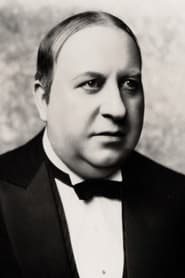
Mack Swain
Actor
Born: February 16, 1873 in Salt Lake City, Utah, USA Died: August 25, 1935 Active: 1913-1935 Birth Name: Morrison Isaac Swain
Films
31 films

His Prehistoric Past
1914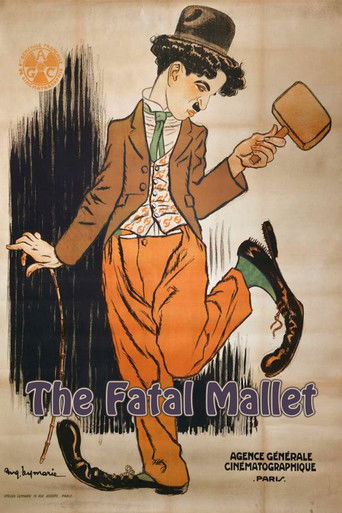
The Fatal Mallet
1914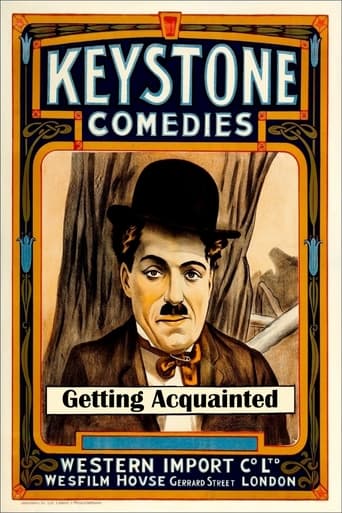
Getting Acquainted
1914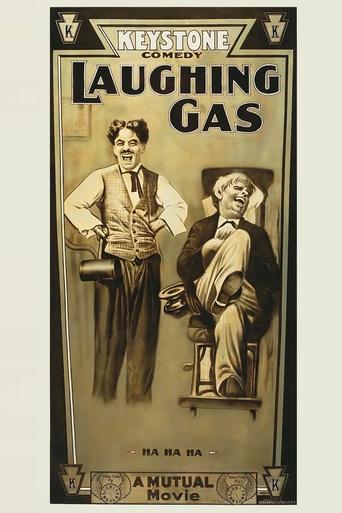
Laughing Gas
1914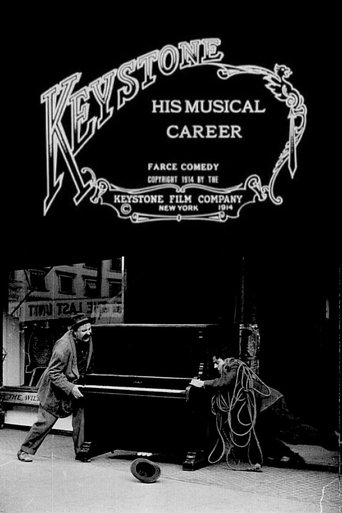
His Musical Career
1914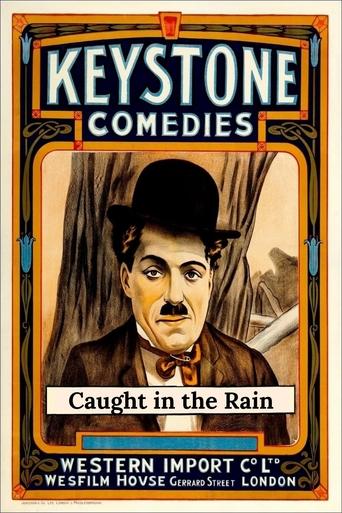
Caught in the Rain
1914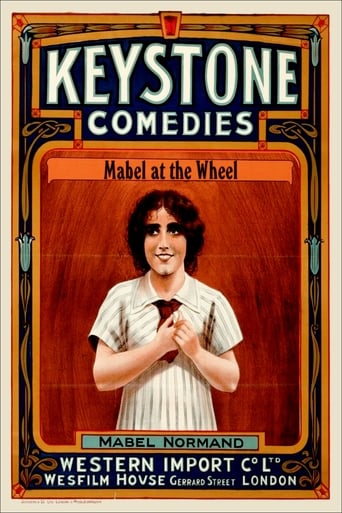
Mabel at the Wheel
1914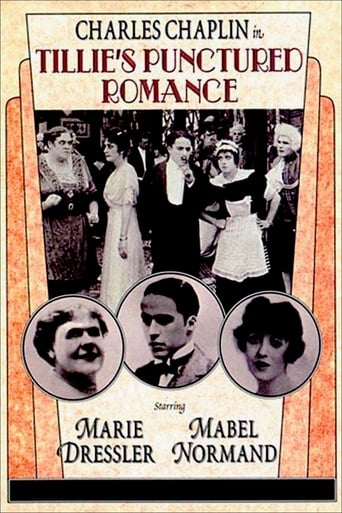
Tillie's Punctured Romance
1914
Gentlemen of Nerve
1914
His Trysting Places
1914
Mabel's Married Life
1914
A Busy Day
1914
Love, Speed and Thrills
1915
A Thief Catcher
1914No Poster
Ambrose's Sour Grapes
1915
Mabel Lost and Won
1915
When Ambrose Dared Walrus
1915
Hello, Mabel
1914
A Muddy Romance
1913
Pay Day
1922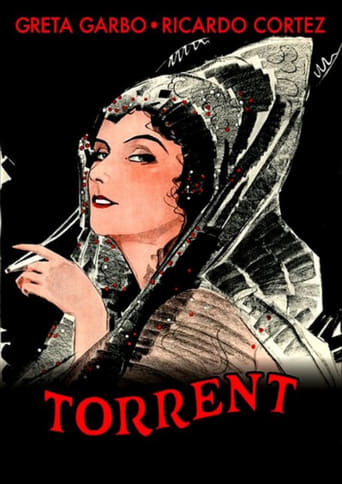
Torrent
1926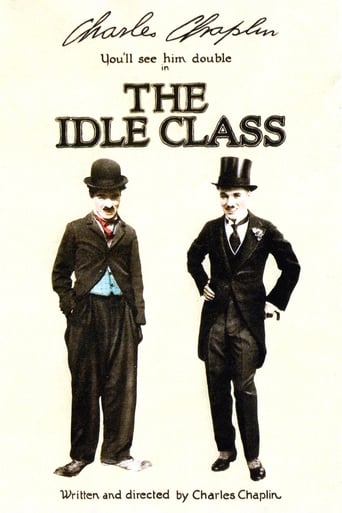
The Idle Class
1921
The Pilgrim
1923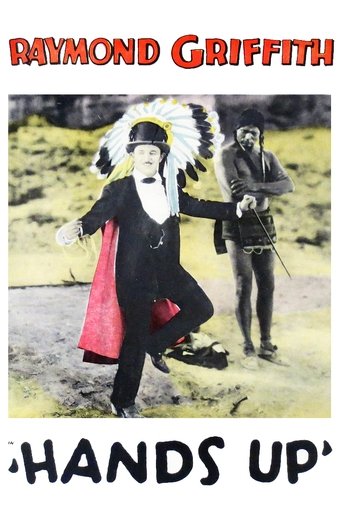
Hands Up!
1926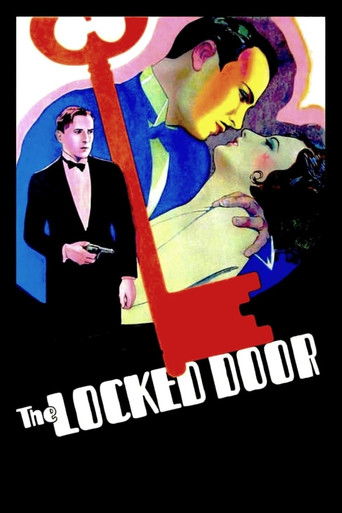
The Locked Door
1929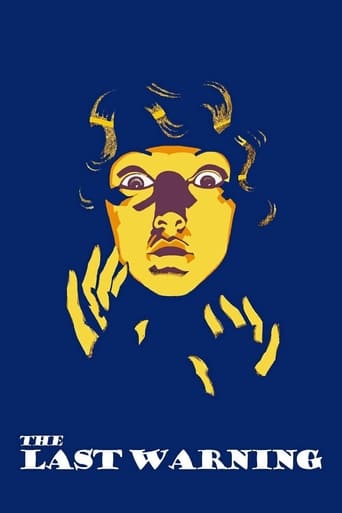
The Last Warning
1929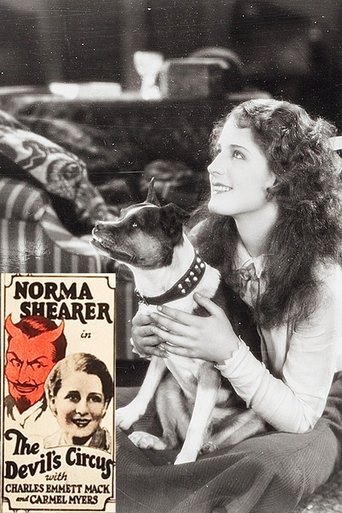
The Devil's Circus
1926
Leading Lizzie Astray
1914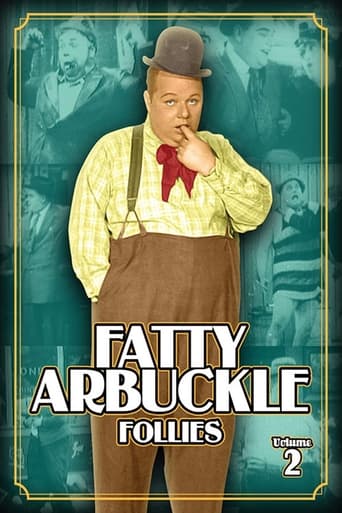
Fatty's New Role
1915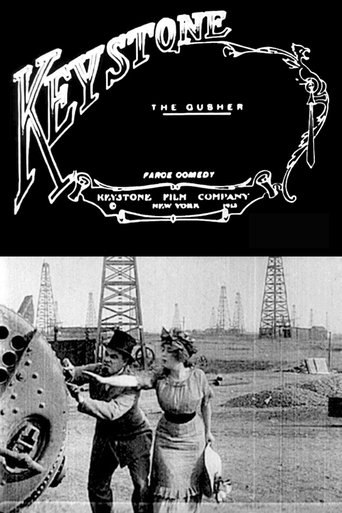
The Gusher
1913About Mack Swain
Prominent American silent film actor best known for his memorable collaborations with Charlie Chaplin during the golden age of silent comedy. Born Morrison Isaac Swain, he began his entertainment career in vaudeville before transitioning to films in 1913, joining Mack Sennett's Keystone Studios where he quickly became a staple of their comedy productions. Swain's imposing physical presence, standing over 6 feet tall and weighing around 250 pounds, made him an ideal comic foil for the diminutive Chaplin, and together they created some of the most moments in early cinema. His signature character 'Ambrose' appeared in numerous Chaplin shorts, establishing Swain as recognizable supporting actors of the silent era. Beyond his work with Chaplin, Swain appeared in over 300 films throughout his career, working with other comedy legends like Harold Lloyd and Buster Keaton. His most celebrated performance came as Big Jim McKay in Chaplin's masterpiece 'The Gold Rush' (1925), where his comedic timing and pathos perfectly complemented the film's dramatic elements. Swain successfully transitioned to sound films in the late 1920s and early 1930s, though his career was cut short by his untimely death in 1935.
The Craft
On Screen
Swain specialized in broad physical comedy, using his large frame and expressive face to maximum effect. His style combined slapstick elements with a surprising capacity for pathos, particularly evident in his dramatic moments in 'The Gold Rush'. He excelled at playing the lovable but often befuddled heavy or comic foil, with a timing that perfectly complemented the more frantic antics of his co-stars. His performances were characterized by a warmth and humanity that made even his most exaggerated characters relatable to audiences.
Milestones
- Signed with Keystone Studios in 1913, launching his film career
- Created the iconic 'Ambrose' character in Charlie Chaplin's films
- Starred in 'The Gold Rush' (1925) as Big Jim McKay, his most famous role
- Appeared in over 300 films throughout his career
- Successfully transitioned from silent to sound films in the late 1920s
- Worked with virtually every major comedy star of the silent era
Best Known For
Iconic Roles
Must-See Films
Accolades
Special Recognition
- Star on the Hollywood Walk of Fame (located at 1500 Vine Street)
- Inducted into the Utah Film Hall of Fame posthumously
Working Relationships
Worked Often With
Studios
Why They Matter
Impact on Culture
Mack Swain played a crucial role in shaping the landscape of American silent comedy, particularly through his work with Charlie Chaplin. His portrayal of the 'Ambrose' character helped establish the archetype of the comic heavy that would influence generations of comedians. In 'The Gold Rush,' his performance as Big Jim McKay demonstrated how supporting characters could carry equal dramatic weight to the protagonist, expanding the possibilities for ensemble comedy in cinema. Swain's ability to balance broad physical comedy with genuine emotion helped elevate silent film comedy beyond mere slapstick, contributing to the art form's acceptance as legitimate entertainment. His work at Keystone Studios was instrumental in developing the fast-paced, chaotic comedy style that would define American film comedy for decades.
Lasting Legacy
Mack Swain's legacy endures through his memorable performances in some of the most celebrated films of the silent era. His contribution to Charlie Chaplin's most acclaimed works, particularly 'The Gold Rush,' ensures that his performances continue to be studied and appreciated by film scholars and enthusiasts. Swain represents the essential but often overlooked supporting actors who were vital to the success of silent comedy's greatest stars. His star on the Hollywood Walk of Fame stands as a permanent tribute to his impact on American cinema. Film historians recognize Swain as.
Who They Inspired
Swain's approach to physical comedy and character acting influenced numerous performers who followed, particularly in the realm of supporting comedy roles. His ability to create memorable characters through minimal dialogue and maximum physical expression set a standard for silent film acting. The 'Ambrose' character archetype he created influenced similar characters in later comedies, from Laurel and Hardy's supporting players to Three Stooges routines. Contemporary comedians who study silent film technique often reference Swain's timing and physical presence as exemplary. His work demonstrated how supporting characters could enhance rather than overshadow the main performer, a lesson that continues to guide comedy directors and actors.
Off Screen
Mack Swain was married twice during his lifetime. His first marriage was to actress Cora Belle Williams, with whom he had one child. After their divorce, he married actress and vaudeville performer Leota Lorraine in 1915, who remained his wife until his death. Swain was known as a generous and kind-hearted individual off-screen, often helping struggling actors and contributing to charitable causes. He maintained a relatively private personal life despite his public fame, focusing on his craft and family. His death in 1935 from a heart attack shocked the Hollywood community, as he was still actively working and appeared to be in good health.
Education
Limited formal education; primarily trained in vaudeville and theater performance
Family
- Cora Belle Williams (1902-1914)
- Leota Lorraine (1915-1935)
Did You Know?
- His real name was Morrison Isaac Swain, but he shortened it to Mack for show business
- He stood 6'2" tall and weighed approximately 250 pounds, making him an imposing figure
- Before entering films, he was a successful vaudeville performer for over a decade
- He appeared in more films with Charlie Chaplin than any other supporting actor
- His character 'Ambrose' was named after the street where he lived in Los Angeles
- He was one of the few actors from Keystone Studios to maintain a successful career through the transition to sound
- Swain — skilled horseman and often performed his own stunts in western comedies
- He was known for his photographic memory, which helped him remember complex routines and blocking
- Despite his large size, he was remarkably agile and could perform difficult physical comedy
- He was a founding member of the Motion Picture & Television Fund, supporting industry colleagues in need
In Their Own Words
In 'The Gold Rush' (1925): 'I'm a rich man! I'm a rich man!' - delivered with comic desperation after finding gold
From various Chaplin shorts: 'Well, I'll be!' - his characteristic expression of surprise
Interview quote: 'Working with Charlie was always a challenge, but it made me a better actor. He demanded the best from everyone around him.'
Frequently Asked Questions
Who was Mack Swain?
Prominent American silent film with credits in this catalog.
What films is Mack Swain best known for?
Titles linked here include The Gold Rush (1925), The Tramp (1915).
When was Mack Swain born and when did he die?
Born February 16, 1873; died August 25, 1935.
What awards did Mack Swain win?
While Mack Swain did not receive major film awards during his lifetime, he was posthumously honored with a star on the Hollywood Walk of Fame and was inducted into the Utah Film Hall of Fame.
What was Mack Swain's acting style?
Swain specialized in broad physical comedy using his large frame and expressive face, combining slapstick with genuine pathos, particularly excelling as a comic foil and creating memorable supporting characters.
Did Mack Swain work with Charlie Chaplin?
Yes, Mack Swain was one of Charlie Chaplin's most frequent collaborators, appearing in numerous films together at Keystone Studios and most notably in 'The Gold Rush,' where he played Big Jim McKay.
How did Mack Swain transition to sound films?
Swain successfully transitioned to sound films in the late 1920s, appearing in talking pictures through the early 1930s, though his most celebrated work remains in silent cinema.
What was Mack Swain's real name?
Mack Swain's birth name was Morrison Isaac Swain, which he shortened to Mack for his entertainment career.