
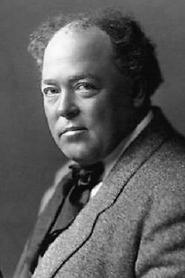
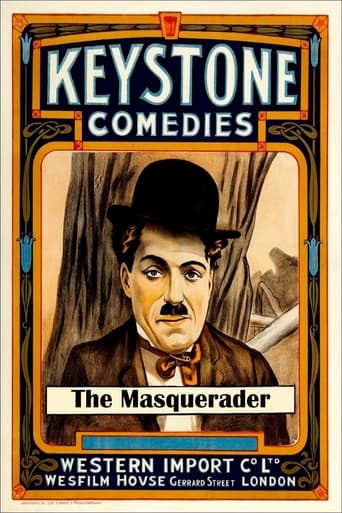
His Trysting Places
"Letters crossed, spouses suspicious"
Keys: Space play/pause · ←/→ 10s · F fullscreen · M mute · </> speed
About this film
Ambrose mails a stranger's love letter while Charlie, fleeing domestic quarrels, intercepts compromising correspondence. Mack Swain and Chaplin star in this 1914 Keystone comedy of mistaken trysts.
Cast & crew
More films like this
More Comedy films
View all →







More from Charlie Chaplin
View all →


More about this film
About the production
Release dateFebruary 16, 1914
Box officeNot documented separately (Keystone shorts were typically rented to theaters as part of larger packages)
ProductionKeystone Studios, Mutual Film Corporation
Filmed inLos Angeles, California, Edendale Studio District
was produced during Chaplin's first year at Keystone Studios, a period when he was rapidly developing his Tramp character. The film presents the classic Keystone formula of escalating misunderstandings and chaotic confrontations. Like many Keystone productions of the era, it was likely shot in just a few days with minimal scripting, relying heavily on improvisation and physical comedy. The use of public parks and restaurant locations reflects the studio's practice of utilizing accessible Southern California locations for maximum production efficiency.
Themes
Mistaken identityMarital suspicionDomestic comedyMiscommunicationUrban life
Themes & topics
swapped coatssecret letterrestaurant confrontationpark rendezvousjealousymisunderstandinginfidelity accusationphysical comedychaserevelation
Historical background
His Trysting Places exemplifies Sennett's reliance on marital misunderstanding plots before Chaplin moved toward pathos.
Why this film matters
His Trysting Places represents an important early milestone in Charlie Chaplin's artistic development and the evolution of screen comedy. The film demonstrates Chaplin's growing mastery of the visual storytelling techniques that would define his later, more sophisticated works. Its mistaken identity plot and focus on domestic misunderstandings helped establish conventions that would influence comedy films for decades. The film also presents the collaborative nature of early Keystone Studios, where stars like Chaplin, Normand, and Swain developed their craft together. As part of the body of work that established Chaplin's fame, it contributed to the creation of the first true movie star system and demonstrated the commercial viability of comedy shorts. The film's preservation of early 20th-century social norms and domestic life provides valuable historical insight into the era's cultural values. Its very existence as a surviving work from 1914 makes it culturally significant, as an estimated 90% of American silent films have been lost.
Making of
The production of 'His Trysting Places' took place during the incredibly prolific period when Chaplin was making dozens of films for Keystone Studios. The studio operated on an assembly-line principle, often completing a short comedy in just two or three days. Chaplin, already showing his perfectionist tendencies, would often spend extra time developing gags and physical comedy routines. The film was likely directed by Chaplin himself, though Keystone often credited him as director even when others had more hands-on involvement. The collaborative atmosphere at Keystone meant that stars like Mabel Normand and Mack Swain contributed significantly to the development of scenes. The restaurant confrontation sequence would have required careful choreography to execute the physical comedy effectively, a skill Chaplin was rapidly perfecting during this period. The film's production exemplifies the fast-paced, low-budget but highly creative environment that characterized early Hollywood comedy production.
What critics said
The short is valued for documenting Chaplin and Swain's contrasting comic types in a typical Keystone farce structure.
Did you know?
- This was one of the first films where Charlie Chaplin began to develop his signature Tramp character, though not yet fully formed as it would become in later films.
- The film was released just months after Chaplin joined Keystone Studios in late 1913, marking his rapid rise from supporting actor to star.
- Mack Swain, who plays Ambrose, would become one of Chaplin's most frequent collaborators, appearing in dozens of films together.
- The mistaken identity plot involving swapped coats would become a recurring trope in silent comedy, later used by Chaplin in more sophisticated ways.
- was part of Keystone's aggressive release schedule, which sometimes saw Chaplin appearing in multiple films released in the same month.
- The restaurant scene was filmed on a set that was reused for multiple Keystone productions due to budget constraints.
- Mabel Normand, who appears in the film, was not only a star but also a director at Keystone and had significant creative input.
- The film's title uses the archaic word 'trysting,' which was more common in literature than in everyday speech even in 1914.
- Like many early Chaplin films, it was likely shot without a detailed script, with the actors improvising based on a basic scenario.
- The park location used for the 'trysting place' was probably Echo Park or another nearby Los Angeles park commonly used by Keystone.
Visual style
The cinematography in 'His Trysting Places' reflects the standard practices of Keystone Studios in 1914. The film was shot in black and white on 35mm film using stationary cameras typical of the era, with the camera remaining fixed for most scenes. The visual composition emphasizes clarity of action to ensure the physical comedy and plot developments are easily understood by audiences. Interior scenes, such as those in the restaurant and apartments, utilize basic three-point lighting to illuminate the action. The park scenes benefit from natural lighting, creating a more open visual space for the climactic confrontation. The camera work, while not sophisticated by later standards, effectively captures the rapid movement and chaotic energy characteristic of Keystone comedies. Long takes are used extensively, allowing the physical comedy to play out without interruption. The visual style prioritizes functionality over artistry, focusing on clearly presenting the narrative and gags rather than creating elaborate visual compositions.
Innovations
While 'His Trysting Places' does not feature notable technical innovations, it represents the solidification of several important technical practices in early comedy filmmaking. The film demonstrates the effective use of continuity editing to maintain narrative clarity across multiple locations and character perspectives. The pacing and rhythm of the comedy show an understanding of how editing timing affects comedic impact. The film's use of intertitles is economical, relying primarily on visual storytelling rather than explanatory text. The physical comedy sequences required careful coordination between actors and camera to ensure the gags played effectively within the frame. The film exemplifies the efficient production techniques developed at Keystone for creating quality content on tight schedules and limited budgets. The successful integration of location shooting with studio work demonstrates the growing sophistication of film production logistics in early Hollywood. While not technically innovative, the film's competent execution of established techniques contributed to the development of the grammar of film comedy.
Music
As a silent film, 'His Trysting Places' had no synchronized soundtrack when originally released. In theaters, the film would have been accompanied by live musical performance, typically a pianist or small orchestra. The musical accompaniment would have been selected from standard libraries of appropriate mood music, with lively, upbeat pieces for the comedic scenes and more romantic or dramatic music for the moments of misunderstanding. Musical cues would emphasize physical comedy, chase sequences, and moments of revelation. Modern screenings of the film typically feature newly composed scores or carefully selected period-appropriate music. Some contemporary presentations use improvisational accompaniment by silent film musicians. The absence of dialogue meant that the visual comedy and intertitles had to carry the entire narrative, making the visual performance and timing particularly crucial. The musical accompaniment, while not part of the original film artifact, remains an essential component of the silent film viewing experience.
Memorable scenes
- The restaurant confrontation where Chaplin and Swain argue and accidentally swap coats, leading to the central misunderstanding
- The discovery scene where both wives find incriminating evidence in the wrong coat pockets
- The climactic park confrontation where all four characters meet at the 'trysting place' and the truth is revealed
- The opening lobby scene where Ambrose agrees to mail the mysterious letter
- Chaplin's frustrated domestic scene before being sent on the baby bottle errand
What audiences thought
Audiences in 1914 responded enthusiastically to Chaplin's growing body of work at Keystone, and 'His Trysting Places' would have been received as part of the public's rapidly developing fascination with the comedian. Theater owners reported strong demand for Chaplin films, which were becoming reliable box-office draws. The film's themes of marital misunderstanding and suspected infidelity, while treated comically, would have resonated with contemporary audiences dealing with changing social dynamics in early 20th-century America. The physical comedy and escalating confusion typical of Keystone productions proved popular with audiences of all ages and social classes. Modern audiences viewing the film today often appreciate it as a historical artifact showing Chaplin's early development, though some may find the pacing and humor different from contemporary comedy. The film remains of interest to Chaplin enthusiasts and silent film aficionados who seek to understand the comedian's artistic evolution.
Film connections
Influenced by
- French farce traditions
- Music hall comedy
- Vaudeville routines
- Commedia dell'arte
- Earlier Keystone comedies
- Mack Sennett's comedy style
This film influenced
- Later Chaplin comedies
- Keystone's subsequent mistaken identity films
- The Gold Rush (1925)
- City Lights (1931)
- Modern Times (1936)
- Later screwball comedies
Film restoration
The film survives and is preserved in various film archives, including the Library of Congress and the Museum of Modern Art. Multiple copies exist in different archives worldwide. The film has been restored and is available on various DVD and Blu-ray collections of Chaplin's early work. While some deterioration is evident in existing prints, the film is considered complete and viewable. It has been digitized as part of various silent film preservation initiatives.
Where to watch
- The Criterion Collection DVD/Blu-ray releases
- Kino Lorber's Chaplin at Keystone collection
- Various streaming services specializing in classic films
- YouTube (through authorized channels like the Chaplin Office)
- Film archive screenings
- Museum of Modern Art's film collection
- Library of Congress's online archive (when available)