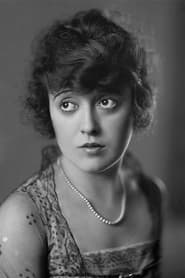
Mabel Normand
Actor & Director
Born: November 10, 1892 in Staten Island, New York, USA Died: February 23, 1930 Active: 1910-1927 Birth Name: Mabel Ethelreid Normand
Films
66 films
Her Friend the Bandit
1914
The Fatal Mallet
1914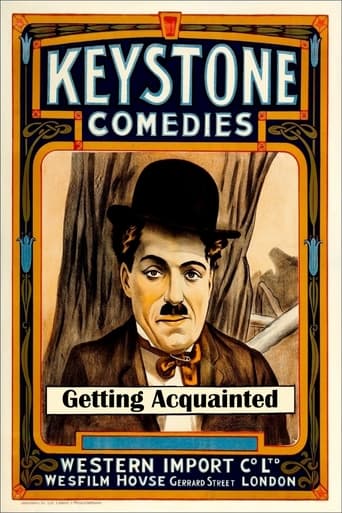
Getting Acquainted
1914
The Speed Kings
1913
Bangville Police
1913
Mabel's Blunder
1914
Mabel, Fatty and the Law
1915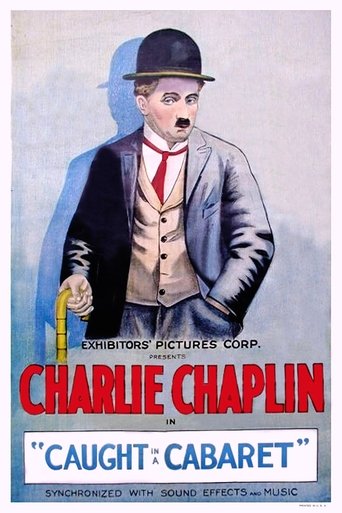
Caught in a Cabaret
1914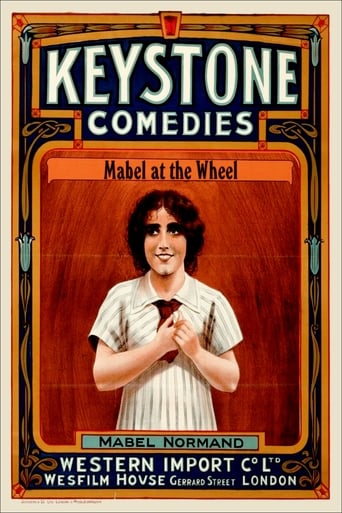
Mabel at the Wheel
1914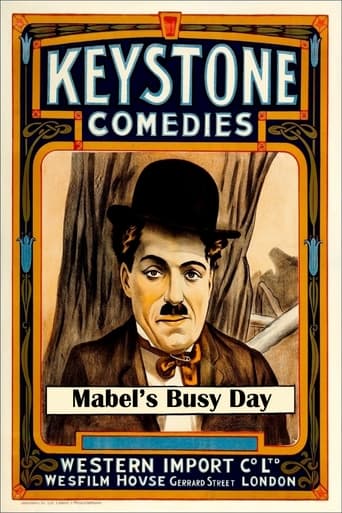
Mabel's Busy Day
1914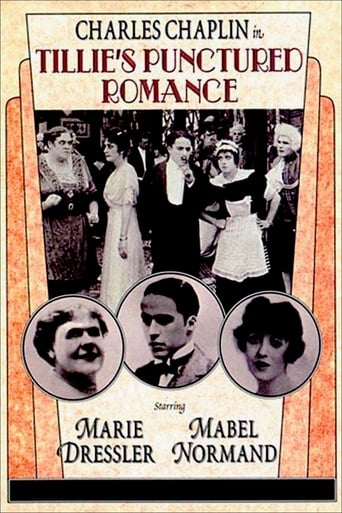
Tillie's Punctured Romance
1914
The Water Nymph
1912
Gentlemen of Nerve
1914
His Trysting Places
1914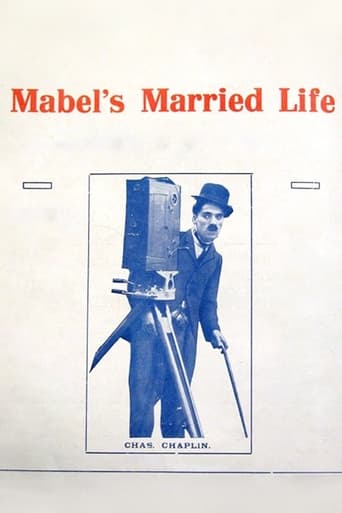
Mabel's Married Life
1914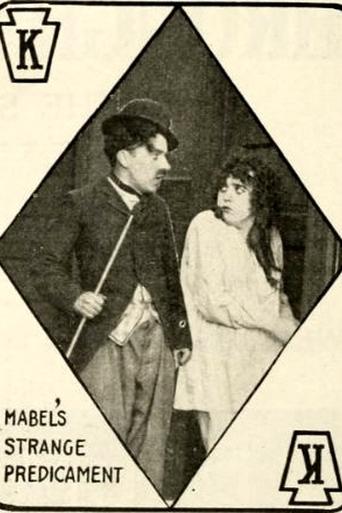
Mabel's Strange Predicament
1914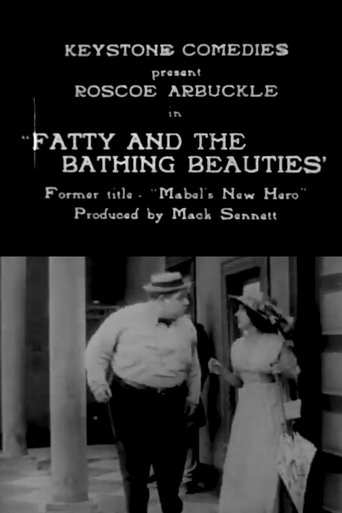
Mabel's New Hero
1913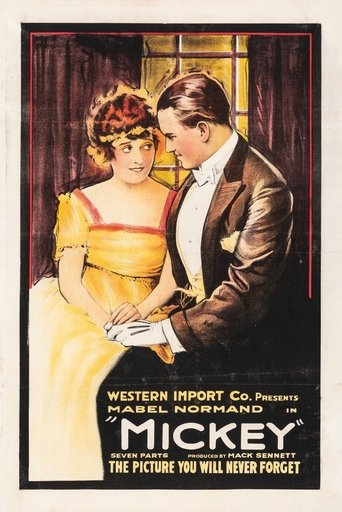
Mickey
1918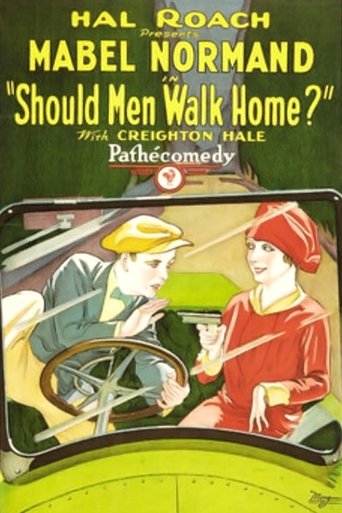
Should Men Walk Home?
1927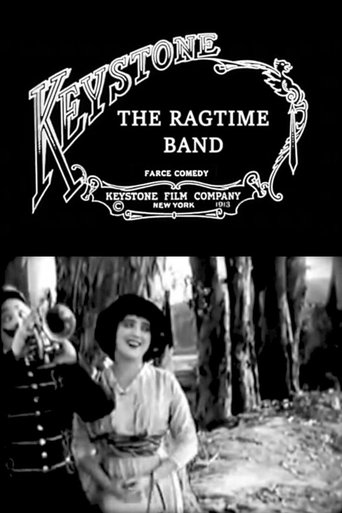
The Ragtime Band
1913
A Little Hero
1913
The Eternal Mother
1912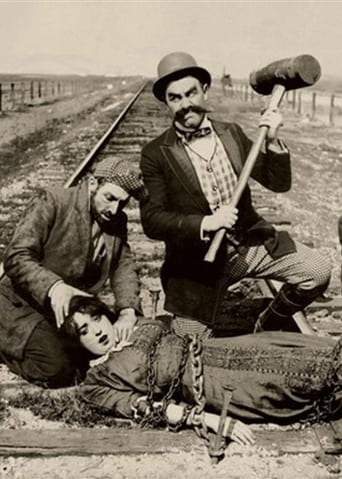
Barney Oldfield's Race for a Life
1913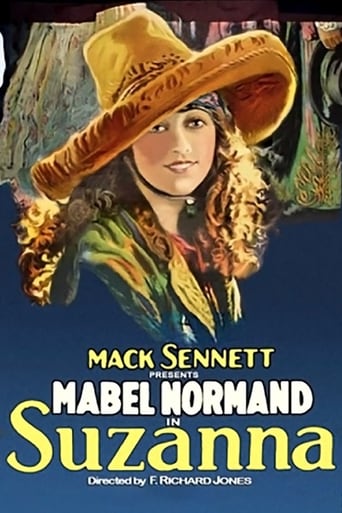
Suzanna
1923
That Little Band Of Gold
1915
The Floor Below
1918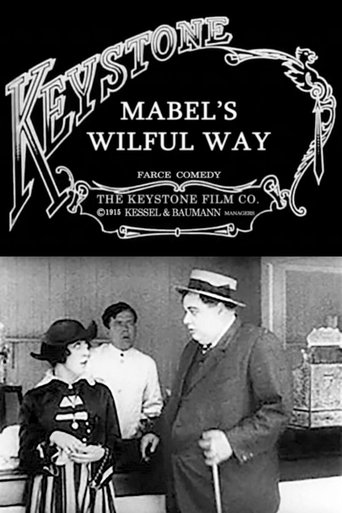
Mabel’s Wilful Way
1915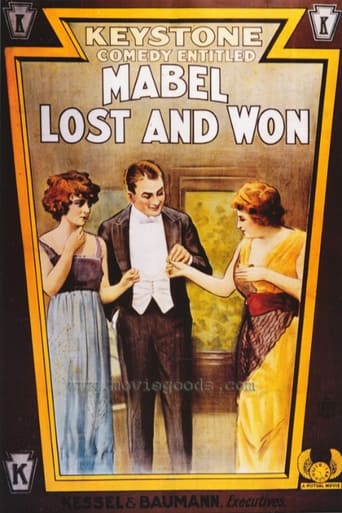
Mabel Lost and Won
1915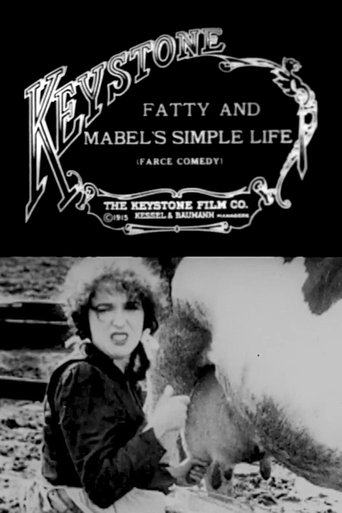
Fatty and Mabel’s Simple Life
1915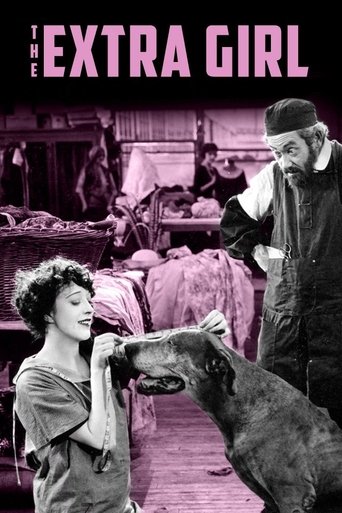
The Extra Girl
1923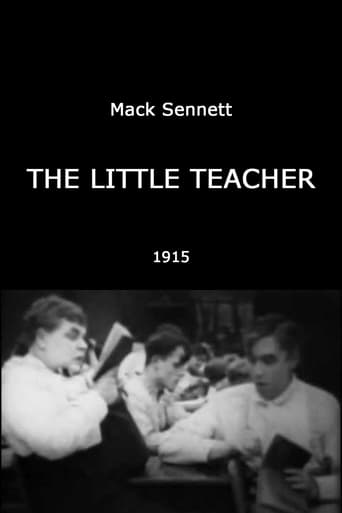
The Little Teacher
1915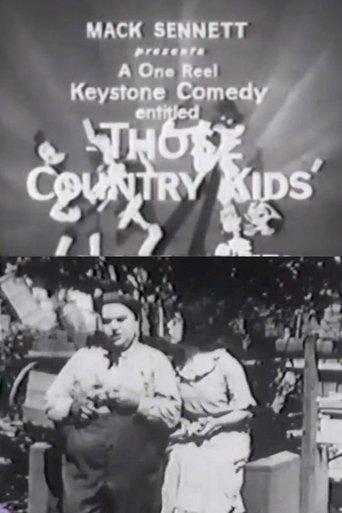
Those Country Kids
1914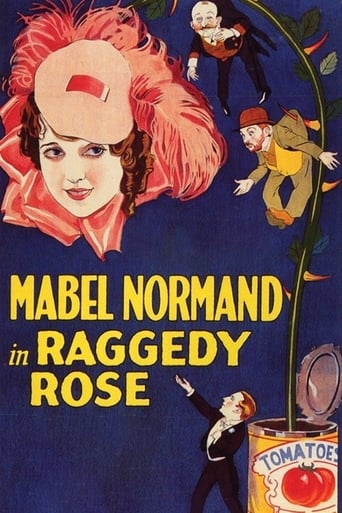
Raggedy Rose
1926
Wished on Mabel
1915
The Nickel-Hopper
1926
Cohen Saves the Flag
1913
Fatty and Mabel Adrift
1916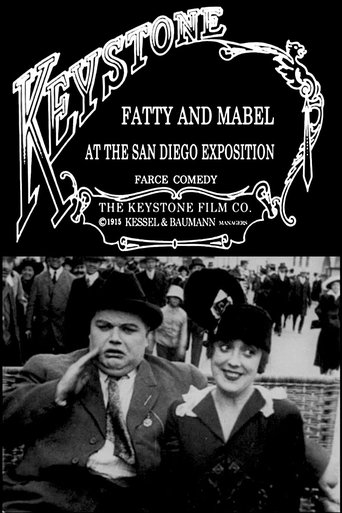
Fatty and Mabel at the San Diego Exposition
1915
Hello, Mabel
1914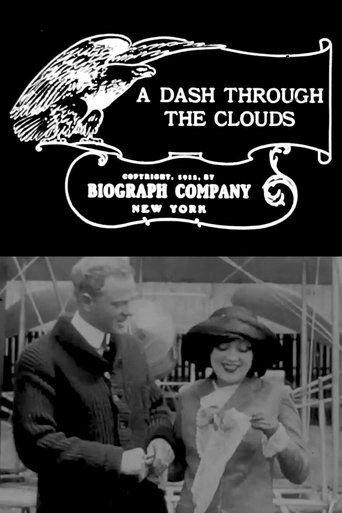
A Dash Through the Clouds
1912
Mabel and Fatty’s Married Life
1915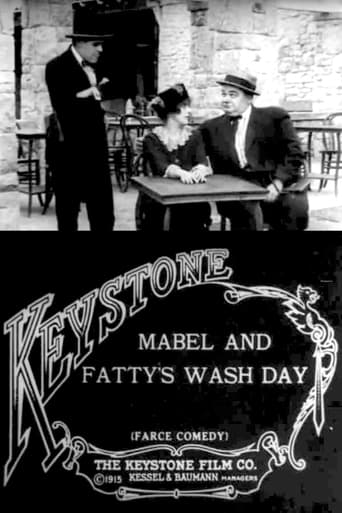
Mabel and Fatty's Wash Day
1915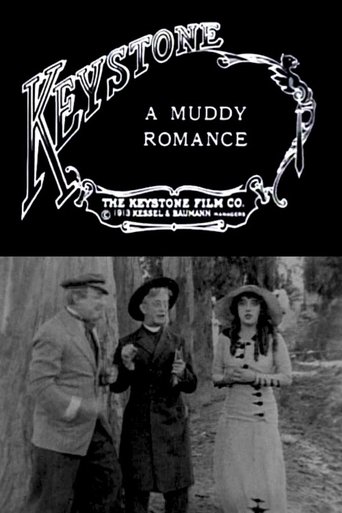
A Muddy Romance
1913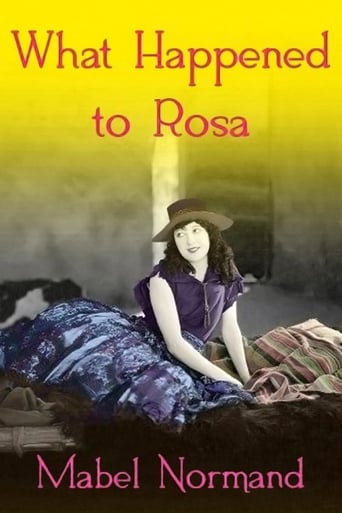
What Happened To Rosa
1920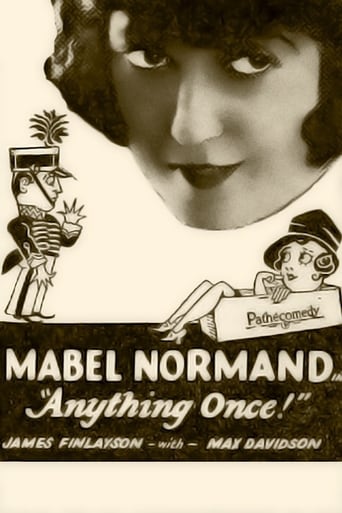
Anything Once!
1927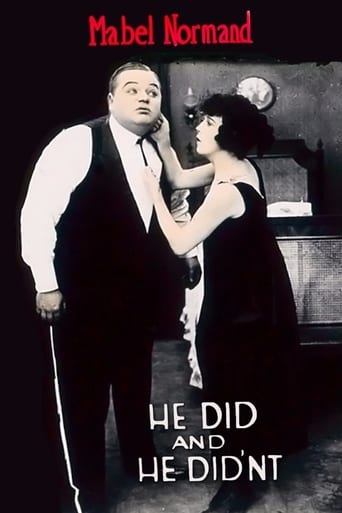
He Did and He Didn’t
1916
Hot Stuff
1912
Their Social Splash
1915
Wilful Peggy
1910
Seeing Stars
1922
Mabel and Fatty Viewing the World's Fair at San Francisco
1915
The Mender of Nets
1912
Helen's Marriage
1912
Help! Help!
1912
The Brave Hunter
1912
The Fickle Spaniard
1912
The Furs
1912
A Spanish Dilemma
1912
Tomboy Bessie
1912
Katchem Kate
1912
What the Doctor Ordered
1912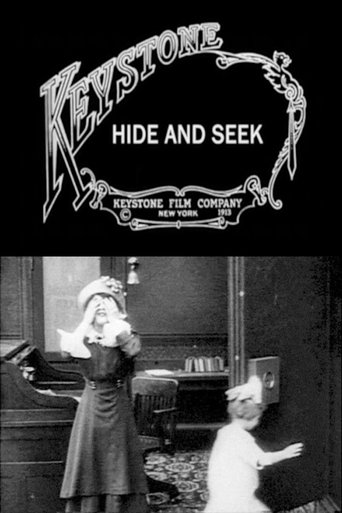
Hide and Seek
1913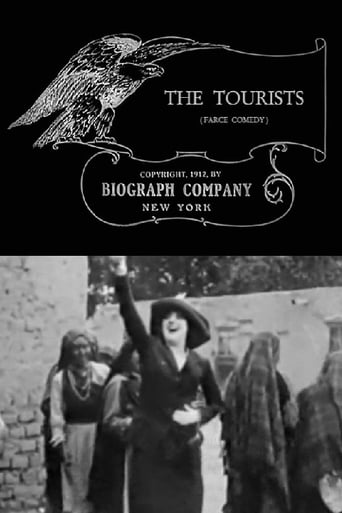
The Tourists
1912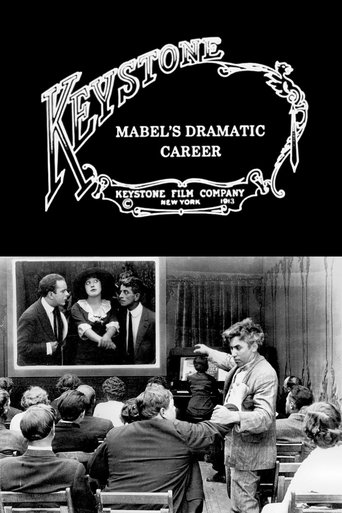
Mabel's Dramatic Career
1913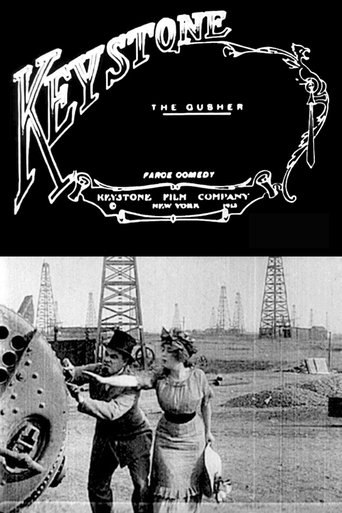
The Gusher
1913About Mabel Normand
Mabel Normand was one of silent cinema's most and talented performers, serving as both a celebrated actress and one of Hollywood's first female directors. She began her career as a model for artist James Montgomery Flagg before transitioning to films at Biograph Studio in 1910. Her breakthrough came when she joined Mack Sennett's Keystone Studios, where she became the comedic queen of the slapstick era, starring in hundreds of shorts and developing a signature style that combined physical comedy with genuine charm and pathos. Normand directed numerous films, making her one of the few women with creative control in early Hollywood, and she mentored and collaborated with Charlie Chaplin during his formative years. Despite her professional success, her career was marred by personal tragedies and scandals, including her connection to the murder of director William Desmond Taylor and the shooting of her chauffeur by her lover, millionaire Courtland Dines. These controversies, combined with her declining health due to tuberculosis, effectively ended her career by the mid-1920s. She made a brief comeback in 1926 with 'The Extra Girl' before retiring permanently, dying of tuberculosis at age 37. Normand's legacy endures as a trailblazer for women in film and as gifted comedians of the silent era.
The Craft
On Screen
Mabel Normand's acting style was characterized by a unique blend of physical comedy and emotional depth that set her apart from her contemporaries. She excelled at slapstick routines but brought a naturalistic charm and vulnerability to her performances, making her characters relatable despite the exaggerated comedic situations. Her facial expressions were remarkably expressive, conveying complex emotions with subtle nuances that transcended the limitations of silent film. Normand possessed a rare ability to switch seamlessly between broad physical comedy and tender dramatic moments, often within the same scene. Her comedic timing was impeccable, and she had a special talent for playing the 'damsel in distress' who could cleverly save herself through wit and resourcefulness.
Behind the Camera
As a director, Mabel Normand demonstrated a keen understanding of visual comedy and pacing, often employing innovative camera techniques that were ahead of their time. She favored dynamic compositions and utilized the full frame to enhance comedic effects, frequently incorporating chase sequences and elaborate sight gags that became hallmarks of Keystone comedies. Normand's direction emphasized clarity and energy, ensuring that even the most complex physical comedy remained easy to follow. She was particularly skilled at directing herself, creating a visual language that highlighted her strengths as a performer while maintaining narrative coherence. Her films often featured strong female protagonists who subverted traditional gender roles, reflecting her progressive approach to storytelling.
Milestones
- Became Keystone Studios' leading lady and highest-paid actress
- Directed over 20 films, making her one of Hollywood's first female directors
- Discovered and mentored Charlie Chaplin at Keystone
- Starred in the first feature-length comedy 'Tillie's Punctured Romance' (1914)
- Formed her own production company, Mabel Normand Feature Film Company
- Successfully transitioned from shorts to feature films in the 1920s
Best Known For
Iconic Roles
Must-See Films
Accolades
Special Recognition
- Star on the Hollywood Walk of Fame (located at 6821 Hollywood Boulevard)
- Inducted into the National Women's Hall of Fame (posthumously)
- Featured in the Museum of Modern Art's 'Pioneers of Cinema' exhibition
Working Relationships
Worked Often With
Studios
Why They Matter
Impact on Culture
Mabel Normand's cultural impact extends far beyond her filmography, as she helped shape the language of cinematic comedy and opened doors for women in the film industry. As one of the first female directors in Hollywood, she challenged gender norms in an era when women were rarely allowed behind the camera. Her work with Charlie Chaplin during his formative years was crucial in developing his comedic style, making her an indirect influence on the entire trajectory of film comedy. Normand's screen persona - a plucky, resourceful heroine who could handle herself in any situation - provided an early model for the independent female character in American cinema. Her films were among the most popular exports of early Hollywood, helping establish American comedy as a global phenomenon. Despite being largely forgotten by mainstream audiences today, film scholars recognize her as a crucial figure in the development of both comedy and women's roles in cinema.
Lasting Legacy
Mabel Normand's legacy as a filmmaker and performer continues to be rediscovered by new generations of film enthusiasts and historians. She represents an important chapter in the history of women in cinema, demonstrating that female creative control was possible even in the earliest days of Hollywood. Her films are studied for their innovative comedy techniques and their historical significance as examples of early female-directed work. The restoration and preservation of her surviving films have allowed modern audiences to appreciate her remarkable talent and influence. Film historians credit her with helping establish the template for romantic comedy and with creating some of the most enduring visual gags in cinema history. Her life story has inspired books, documentaries, and even a stage musical, ensuring that her contributions to film history are not forgotten. Normand's career serves as both an inspiration and a cautionary tale about the challenges faced by women in the entertainment industry.
Who They Inspired
Mabel Normand influenced countless performers and filmmakers, both directly and indirectly, through her work and her trailblazing career path. Her collaboration with Charlie Chaplin during his Keystone period was instrumental in shaping his comedic style, and many of the techniques they developed together became staples of screen comedy. Later female comedians, from Carole Lombard to Lucille Ball, drew inspiration from Normand's ability to combine physical comedy with charm and intelligence. Her success as a director paved the way for future women filmmakers, proving that women could successfully helm commercial productions. The character types she developed - the plucky heroine, the clever girl who outsmarts her male counterparts - became archetypes that appeared throughout classic Hollywood cinema. Modern filmmakers studying early comedy continue to analyze her work for its innovative camera work and pacing. Her career trajectory also serves as a case study in the challenges faced by women in Hollywood, influencing discussions about gender and power in the film industry.
Off Screen
Mabel Normand's personal life was as dramatic as her on-screen performances, marked by passionate relationships and tragic circumstances. She had a long-term romantic and professional relationship with Mack Sennett, though they never married due to Sennett's reluctance. Her engagement to wealthy oilman Courtland Dines ended in scandal when Dines shot her chauffeur during a heated argument. Normand was also connected to the unsolved murder of director William Desmond Taylor, having been one of the last people to see him alive. These scandals, combined with her battle with tuberculosis, took a tremendous toll on her career and personal well-being. Despite these challenges, she remained beloved by her colleagues and continued to work until her health made it impossible.
Education
Attended public schools in Staten Island, left formal education early to pursue modeling and acting
Family
- Lew Cody (1926-1929, her death) - actor, marriage was reportedly in name only
Did You Know?
- Was one of the highest-paid actresses of her time, earning $3,000 per week at the height of her career
- Directed Charlie Chaplin in his first film appearance, 'Making a Living' (1914)
- Was the first actress to receive a screen credit for both acting and directing
- Her home studio, the Mabel Normand Studio, was one of the first production facilities named after a woman
- Survived a serious car accident in 1922 that left her with injuries that affected her health for years
- Was a close friend of fellow silent star Mary Pickford, who tried to help her during her final illness
- Appeared in over 200 films during her career, though many are now lost
- Was posthumously honored in the 2018 documentary 'Mabel Normand: The Life and Career of a Hollywood Madcap'
- Her birth year is disputed - some sources cite 1895, but most historians agree on 1892
- The character of Mabel in 'Singin' in the Rain' was partially inspired by her career
In Their Own Words
I don't think there's anything as hard as being funny. It's the most difficult thing in the world.
I'd rather be a good comedian than a great dramatic actress any day.
In pictures, you have to do everything with your face and your body. There's no voice to help you.
The trouble with being a star is that you can't go anywhere without being recognized. Sometimes you just want to be alone.
I've been knocked down more times than I can count, but I always get up again. That's what comedy is all about.
Frequently Asked Questions
Who was Mabel Normand?
Silent film actress and on YTB.my. She worked extensively with Mack Sennett at Keystone Studios and was one of the first women to direct films in Hollywood, also helping launch Charlie Chaplin's career.
What films is Mabel Normand best known for?
Titles linked here include Mabel's Blunder (1914), Tillie's Punctured Romance (1914).
When was Mabel Normand born and when did she die?
Born November 10, 1892; died February 23, 1930.
What awards did Mabel Normand win?
While Mabel Normand did not receive major formal awards during her lifetime, she was posthumously honored with a star on the Hollywood Walk of Fame and has been recognized by film historians as a figure in cinema history.
What was Mabel Normand's acting and directing style?
Normand's acting style combined physical slapstick comedy with emotional depth and natural charm, making her characters relatable despite the exaggerated situations. As a director, she emphasized visual clarity, dynamic pacing, and innovative camera techniques that enhanced comedic effects while showcasing her strengths as a performer.