

The Nickel-Hopper
"A nickel a dance — trouble free"
Keys: Space play/pause · ←/→ 10s · F fullscreen · M mute · </> speed
About this film
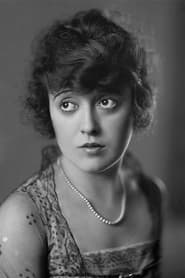
Taxi dancer Carol faces nickel-a-dance Romeos and a deadbeat father in urban comedy-drama. Mabel Normand vehicle explores dance-hall economy of 1920s New York.
Cast & crew
More films like this

More Comedy films
View all →







More from F. Richard Jones
View all →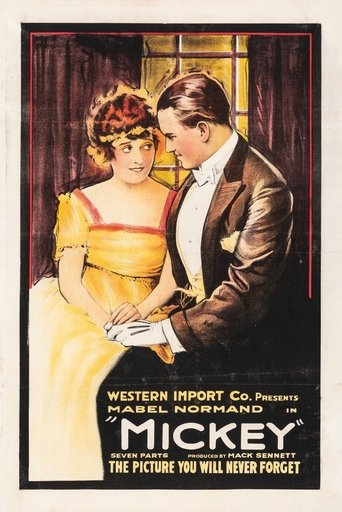
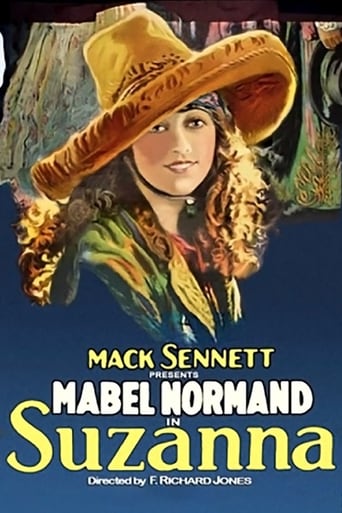
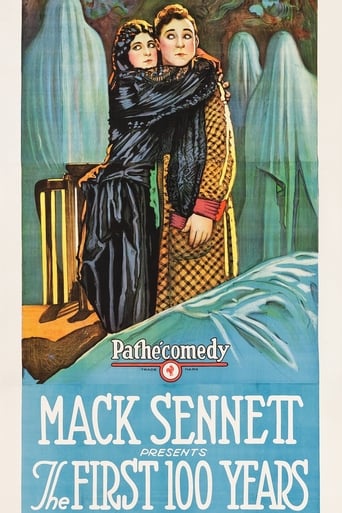
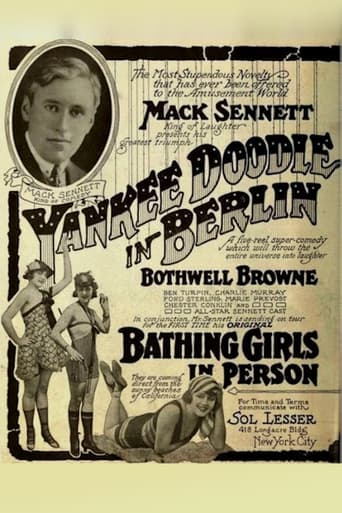
More about this film
About the production
Release dateOctober 10, 1926
ProductionHal Roach Studios
Filmed inHal Roach Studios, Culver City, California
The Nickel-Hopper was one of Mabel Normand's final films and part of her comeback contract with Hal Roach Studios. The production faced challenges due to Normand's declining health and the industry's transition away from her style of comedy. The film was shot during a period when Hal Roach was trying to reestablish Normand as a major star after her career had been damaged by scandal and personal difficulties in the early 1920s.
Themes
Working women's strugglesEconomic independenceFamily responsibilityExploitation in entertainmentDignity in adversity
Themes & topics
Historical background
The Nickel-Hopper (1926) documents taxi-dance hall subculture during Prohibition nightlife.
Why this film matters
Normand's late silents preserve star charisma amid personal scandals that shadowed her career.
Making of
The Nickel-Hopper was produced during a critical period in Mabel Normand's career as she attempted a comeback with Hal Roach Studios. Normand, once one of the biggest comedy stars of the 1910s, had seen her career derailed by scandals and health issues. Hal Roach signed her to a contract in 1926 to produce a series of short comedies, hoping to capitalize on her remaining star power. Director F. Richard Jones, who had known Normand from their days together at Mack Sennett's Keystone Studios, was brought in to helm the project. The production team worked to create stories that would showcase Normand's comedic talents while acknowledging her more mature screen persona. The dance hall setting was chosen as it was both contemporary and allowed for physical comedy while keeping the action contained, which was practical for the increasingly efficient short film production methods of the mid-1920s.
What critics said
Reviews enjoyed Normand; historians use it to illustrate dance-hall labor on screen.
Did you know?
- This was Mabel Normand's penultimate film appearance before her retirement from acting
- The film was released just two years before the advent of sound in motion pictures
- Mabel Normand was paid $1,000 per week for her comeback films with Hal Roach
- The title 'Nickel-Hopper' was slang for a taxi dancer who earned a nickel per dance
- Director F. Richard Jones had previously worked with Normand at Mack Sennett studios
- The film was part of a series of short comedies Normand made for Roach in 1926
- Mabel Normand was only 33 years old when she made the production, though her career had already spanned nearly two decades
- The dance hall setting was a popular backdrop for films of the 1920s, reflecting real social venues of the era
- the production showcased Normand's transition from the wilder slapstick of her early career to more character-based comedy
- The film's preservation status makes it one of the few surviving examples of Normand's late career work
Visual style
The cinematography of The Nickel-Hopper reflects the standard practices of mid-1920s short film production, with clear, well-lit compositions designed to highlight the comedic action. The dance hall sequences utilize wider shots to establish the bustling atmosphere, while intimate scenes employ closer framing to emphasize character emotions. The camera work, while not innovative, effectively serves the story and comedy, with particular attention paid to capturing Normand's expressive performance. The lighting techniques of the period create the appropriate mood for both the comedic and dramatic elements of the story.
Music
As a silent film, The Nickel-Hopper would have been accompanied by live musical performance during its original theatrical run. The typical accompaniment would have included popular songs of the era, classical pieces, and original improvisation by the theater's pianist or organist. For modern screenings, the film is often accompanied by contemporary silent film composers who create scores that reflect the 1920s period while supporting the film's blend of comedy and drama. The dance hall setting naturally lends itself to musical accompaniment that would have included popular dance music of the Jazz Age.
Famous quotes
A nickel a dance and a heart full of dreams
In this dance hall, every step costs something
Some dance for money, some dance for love, I dance to survive
Memorable scenes
- The opening sequence introducing Patsy as a nickel-hopper at the bustling dance hall, establishing both her profession and the predatory environment she navigates
- The confrontation scene where Patsy stands up to the dance hall Romeos, showcasing Normand's blend of comedy and dramatic intensity
- The emotional climax where Patsy must choose between personal happiness and family responsibility
What audiences thought
Audiences of 1926 responded warmly to The Nickel-Hopper, particularly fans who had followed Mabel Normand's career since her peak popularity in the 1910s. The film's relatable story of a working woman struggling against adversity resonated with contemporary viewers, many of whom faced similar economic challenges. The combination of comedy and melodrama, a popular formula of the era, proved successful with theater audiences. Modern audiences who have had the opportunity to see the film through film society screenings or archival presentations generally appreciate it as a showcase of Normand's talent and a window into 1920s entertainment culture.
Film connections
Influenced by
- The earlier Mack Sennett comedy shorts
- Contemporary films about working women
- The tradition of slapstick comedy blended with pathos
Film restoration
The Nickel-Hopper survives in archives and is considered a preserved film, though it may not be widely available. Prints are held by film archives including the Library of Congress and other preservation institutions. The film exists as a 16mm reduction print and possibly 35mm elements, ensuring its survival for future generations. Its preservation status makes it valuable as one of the few remaining examples of Mabel Normand's late career work.
Where to watch
- The film is occasionally screened at silent film festivals and archival cinema presentations
- Some film archives may provide access for research purposes
- The film may be available through specialized silent film DVD collections or streaming services dedicated to classic cinema
- Film societies and museums occasionally include it in their programming of Mabel Normand retrospectives