F. Richard Jones
Director
Born: September 7, 1893 in St. Louis, Missouri, USA Died: December 14, 1930 Active: 1915-1930 Birth Name: Frederick Richard Jones
Films
10 films


About F. Richard Jones
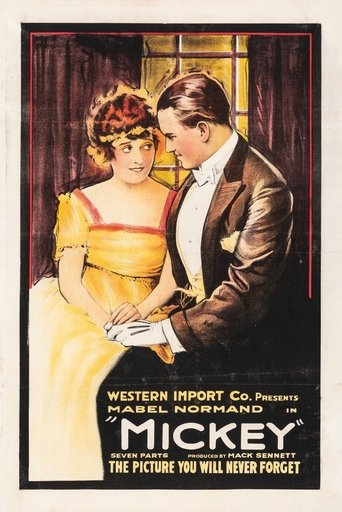
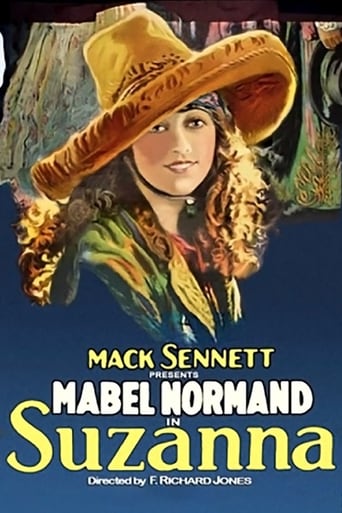
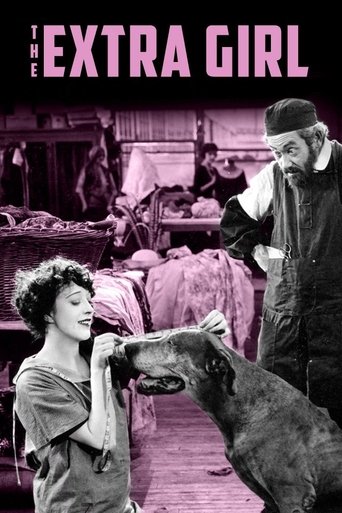
Prolific American film director and actor during the silent era, best known for his work with Mack Sennett's Keystone Studios. Born Frederick Richard Jones in St. Louis, Missouri, he began his career as an actor before transitioning to directing around 1918. Jones became one of Sennett's most reliable directors, helming numerous comedy shorts and features throughout the 1920s, including the highly successful 'Mickey' (1918) starring Mabel Normand. He frequently collaborated with major stars of the era, particularly Normand, directing her in several of her most notable films including 'The Extra Girl' (1923) and 'Suzanna' (1923). His films often showcased the slapstick comedy style that characterized Keystone productions while demonstrating his ability to handle more sophisticated comedy narratives. Jones also served as assistant director on major productions like Charlie Chaplin's 'The Gold Rush' (1925) and Harold Lloyd's 'The Kid Brother' (1927). His promising career was tragically cut short when he died of tuberculosis at age 37 in 1930, just as the transition to sound films was beginning, leaving behind a legacy of over 80 films that helped shape American comedy cinema.
The Craft
Behind the Camera
Jones was known for his mastery of slapstick comedy timing and visual gags, honed during his years at Keystone Studios. His directing style emphasized physical comedy, rapid pacing, and elaborate chase sequences that became hallmarks of Sennett productions. Jones demonstrated particular skill in working with female comedy stars, bringing out their comedic talents while maintaining the dignity of their characters. His films often balanced broad physical humor with more subtle comedic moments, showing an understanding of comedic timing that elevated his work above typical Keystone fare. As the 1920s progressed, Jones began incorporating more sophisticated narrative techniques and character development into his films, adapting to changing audience tastes while maintaining the comedic elements that made his work popular.
Milestones
- Transitioned from actor to director at Mack Sennett's Keystone Studios
- Directed 'Mickey' (1918),
- Collaborated extensively with Mabel Normand in multiple films
- Directed over 80 films in his relatively short career
- Served as assistant director on Charlie Chaplin's 'The Gold Rush' (1925)
- Worked as assistant director on Harold Lloyd's 'The Kid Brother' (1927)
- Married frequent collaborator Mabel Normand in 1926
Best Known For
Iconic Roles
Must-See Films
Working Relationships
Worked Often With
Studios
Why They Matter
Impact on Culture
F. Richard Jones played a significant role in shaping American comedy cinema during the silent era, particularly through his work at Keystone Studios. His films contributed to the development of the slapstick comedy style that would influence generations of filmmakers and comedians. Jones' collaborations with Mabel Normand helped establish her as one of the era's most prominent comedy stars and demonstrated the viability of women as leads in comedy films. His work on 'Mickey' (1918) was particularly influential, as it became. Though less remembered today than some of his contemporaries, Jones' films were instrumental in popularizing the visual comedy language that would define American silent cinema.
Lasting Legacy
While F. Richard Jones is not as widely remembered today as some of his contemporaries, his contributions to silent comedy cinema were significant. His films remain valuable historical documents of the development of American comedy and provide insight into the filmmaking practices of the era. Jones' work with major stars like Mabel Normand helped shape their careers and contributed to their lasting legacy in film history. The techniques and approaches he developed for visual comedy influenced subsequent generations of filmmakers, even if his name is not always attached to this influence. Film historians and silent cinema enthusiasts continue to study Jones' work for its technical innovation and its role in establishing the conventions of American comedy cinema.
Who They Inspired
Jones' approach to visual comedy and his ability to balance slapstick with character development influenced numerous directors who followed in his footsteps. His work at Keystone helped establish the studio's reputation for comedy excellence and provided a template for comedy production that other studios sought to emulate. The techniques Jones developed for staging and filming physical comedy sequences became part of the standard vocabulary of American comedy cinema. His success in directing female comedy stars, particularly Mabel Normand, demonstrated the commercial viability of women in leading comedy roles, paving the way for future female comedians. Though his career was cut short, Jones' influence can be seen in the work of later comedy directors who built upon the foundations he helped establish.
Off Screen
Jones married actress and frequent collaborator Mabel Normand in 1926, though their marriage was cut short by his declining health. The couple had no children together. Jones was known for his dedication to his craft and his ability to work efficiently under the demanding production schedules of the silent era. His health began to decline in the late 1920s due to tuberculosis, which ultimately claimed his life at the young age of 37. Despite his illness, Jones continued working almost until his death, demonstrating his commitment to filmmaking.
Education
Limited information available about his formal education
Family
- Mabel Normand (1926-1930)
Did You Know?
- Jones began his career as an actor before transitioning to directing around 1918
- He directed over 80 films in just over a decade as a director
- 'Mickey' (1918), which he directed, was
- He worked extensively with Mabel Normand, both professionally and personally (they married in 1926)
- Jones served as assistant director on Charlie Chaplin's 'The Gold Rush' (1925)
- He also worked as an assistant director on Harold Lloyd's 'The Kid Brother' (1927)
- His career was cut short by tuberculosis, which claimed his life at age 37
- Jones was particularly known for his ability to direct comedy sequences with precise timing
- He worked primarily with Mack Sennett at Keystone Studios, the birthplace of many comedy innovations
- Despite his success, Jones remains relatively unknown to modern audiences compared to some of his contemporaries
In Their Own Words
There are limited documented quotes from F. Richard Jones available, which is not uncommon for directors of the silent era who worked behind the camera.
Frequently Asked Questions
Who was F. Richard Jones?
American on YTB.my. He directed over 80 films between 1918 and 1930, including the highly successful 'Mickey' (1918) and several films starring Mabel Normand. Jones — significant figure in the development of American comedy cinema before his untimely death at age 37.
What films is F. Richard Jones best known for?
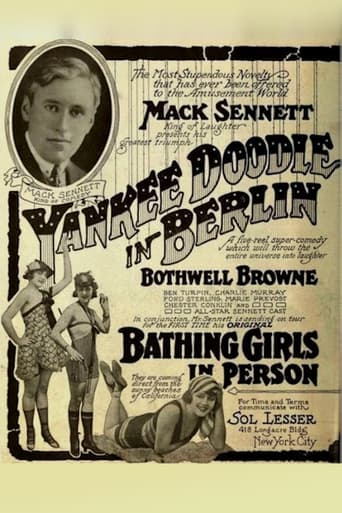
Titles linked here include Mickey (1918), Yankee Doodle in Berlin (1919).
When was F. Richard Jones born and when did he die?
Born September 7, 1893; died December 14, 1930.
What awards did F. Richard Jones win?
There are no documented major awards or honors specifically awarded to F. Richard Jones during his lifetime. This was not uncommon for directors of the silent era, as many of the major film awards were not established until later in film history. His recognition came primarily through the commercial success of his films and the respect of his industry colleagues.
What was F. Richard Jones's directing style?
Jones's directing style was characterized by expert timing in physical comedy, elaborate chase sequences, and a balance between broad slapstick and more subtle humor. Working primarily at Keystone Studios, he mastered the visual comedy techniques that defined the studio's output while also incorporating more sophisticated narrative elements as the 1920s progressed. He was particularly skilled at directing comedy performances from female leads, especially his frequent collaborator Mabel Normand.