
Anything Once!
"Is a Cinderella story."
Keys: Space play/pause · ←/→ 10s · F fullscreen · M mute · </> speed
About this film
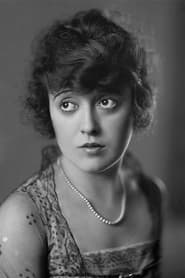
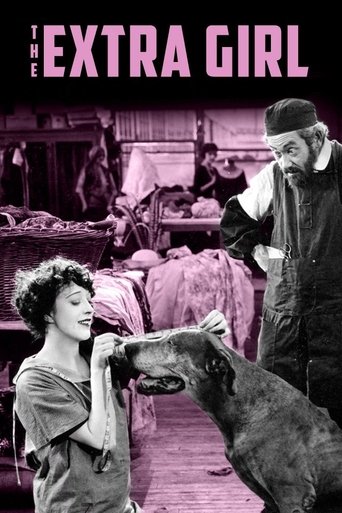
We're told that she's taken a lot of bumps in life and doesn't know where the next bump is coming from, which sounds uncomfortably close to the leading lady's real- is a Cinderella story. Mabel works in a tailor shop, pressing clothes and dreaming of a better life.
Cast & crew
More films like this
More Comedy films
View all →







More from F. Richard Jones
View all →

More about this film
About the production
Release dateApril 24, 1927
Box officeUnknown
ProductionHal Roach Studios
Filmed inLos Angeles, California
This was one of Mabel Normand's final films before her career decline due to health issues and personal scandals. The production was notably rushed due to Normand's deteriorating health, yet still managed to showcase her comedic talents. The toupee-burning scene was reportedly improvised during filming and became one of the picture's most memorable moments.
Themes
Social mobilityWorking-class strugglesFemale empowermentDreams vs. realityKindness and compassion
Themes & topics
Historical background
Made in 1927, in United States, under F. Richard Jones, Anything Once! belongs to comedy film filmmaking amid the silent era's rapid stylistic experiments.
Why this film matters
Within comedy film history, F. Richard Jones's name attaches to the work; surviving prints help researchers study silent-era craft; 1927 film.
Making of
The production of 'Anything Once!' was marked by both nostalgia and melancholy, as it represented one of Mabel Normand's final opportunities to showcase her comedic genius after a tumultuous career marred by scandal and health problems. Director F. Richard Jones, who had worked with Normand during her glory days at Mack Sennett's studio, reportedly took special care to accommodate her declining health during filming. The set was known for its supportive atmosphere, with cast and crew members showing particular deference to Normand, who had been one of silent comedy's stars. James Finlayson's casting against type was a deliberate choice by the producers to give the film a fresh twist on familiar comedy tropes. The toupee incident, which became the film's most famous gag, was actually an accident during rehearsal that proved so funny it was incorporated into the final script.
What critics said
Contemporary reviews of Anything Once! are sparse in open sources; later catalog entries chiefly summarize plot and credits.
Did you know?
- This was Mabel Normand's penultimate film appearance before her retirement from acting.
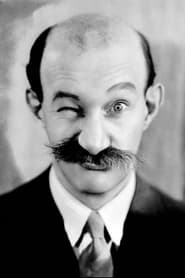
- James Finlayson, typically known for playing villains and authority figures, was cast against type as a benevolent character.
- The film's title 'Anything Once!' was a play on the popular expression 'I'll try anything once,' reflecting the protagonist's willingness to take chances.
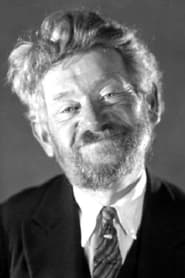
- Max Davidson, who plays a supporting role, was a popular character actor known for his Jewish comedy roles during the silent era.
- Director F. Richard Jones had previously worked with Mabel Normand in her earlier Mack Sennett comedies.
- The toupee-burning scene was so well-received that it was featured prominently in the film's promotional materials.
- Film was originally released as part of a comedy package with other Hal Roach productions.
- Produced during the transition period from silent to sound cinema, making it part of the last wave of major silent comedies.
Visual style
The cinematography by Glen Gano employed typical silent comedy techniques including medium shots for physical comedy and close-ups for emotional moments. The lighting design emphasized the contrast between the drab tailor shop and the more glamorous settings representing Mabel's dreams. Camera movement was minimal, as was standard for the period, but the composition effectively framed the physical comedy sequences. The film's visual style reflected the Hal Roach Studios' house style, which was generally more polished and less frantic than Mack Sennett's earlier comedies.
Innovations
While not technically innovative, 'Anything Once!' demonstrated solid filmmaking craftsmanship typical of Hal Roach Productions' output during this period. The film's editing effectively paced the comedy sequences, and the production values were higher than average for a two-reel comedy. The special effects for the toupee-burning scene were accomplished through practical effects that appeared convincing to contemporary audiences. The film's sound stage work showed the increasing sophistication of studio production techniques as the industry moved toward the sound era.
Music
As a silent film, 'Anything Once!' would have been accompanied by live musical performance during its original theatrical run. Typical scores for Hal Roach comedies of this period included popular songs of the day, classical pieces, and specially composed mood music. The toupee-burning scene would likely have been accompanied by frantic, comedic music to enhance the humor. No original score recordings survive, as was common with silent films, though reconstruction scores have been created for modern screenings.
Famous quotes
I'll try anything once!
Life may give you bumps, but you've got to keep pressing on!
Sometimes the best accidents are the ones that weren't planned!
Memorable scenes
- The toupee-burning sequence where Mabel accidentally sets fire to her boss's hairpiece while working, creating a moment of panic followed by unexpected forgiveness. This scene perfectly encapsulates the film's blend of physical comedy and character warmth, becoming the most remembered moment from the picture.
What audiences thought
Audiences in 1927 responded positively to the film, particularly appreciating Normand's return to the screen and the chemistry between the cast members. The toupee-burning scene became a talking point among moviegoers and was frequently mentioned in audience letters to film magazines. The film's Cinderella narrative resonated with working-class viewers who identified with the protagonist's struggles and dreams. While it didn't achieve blockbuster status, it performed respectably in urban markets where Normand still had a loyal following. Modern audiences encountering the film through revival screenings and archives often express surprise at Normand's comedic talent and the film's relatively sophisticated approach to character comedy for its era.
Film connections
Influenced by
- Cinderella fairy tale
- Charlie Chaplin's character comedies
- Mack Sennett comedy style
This film influenced
- Later Hal Roach comedies
- Early sound comedy shorts
Film restoration
Preserved in the Library of Congress collection and has been restored by film preservationists. While not considered lost, some elements show deterioration typical of nitrate film from this period. The restored version has been screened at various film festivals and archives specializing in silent cinema.
Where to watch
- Available through the Library of Congress's digital collections
- Occasionally screened at silent film festivals and revival theaters
- Included in some Mabel Normand retrospective collections
- Accessible through film archive databases for researchers