

Theodore von Eltz
Actor
Born: November 5, 1893 in New Haven, Connecticut, USA Died: October 17, 1964 Active: 1915-1957
Films
10 films
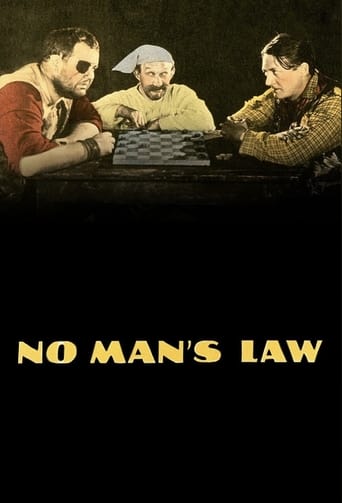
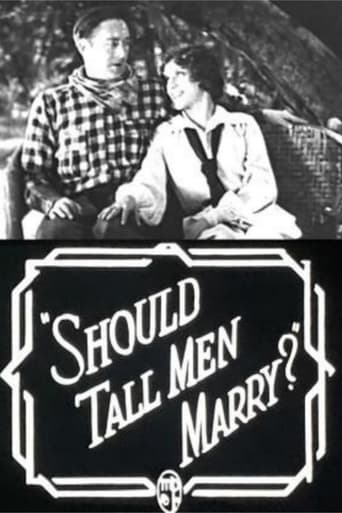
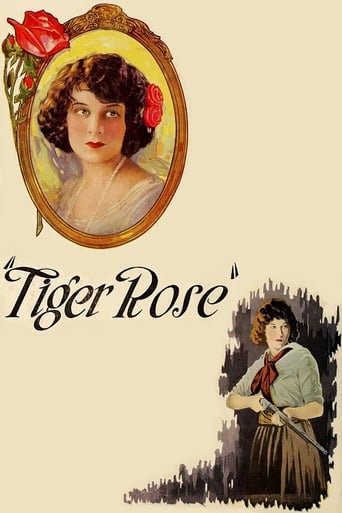
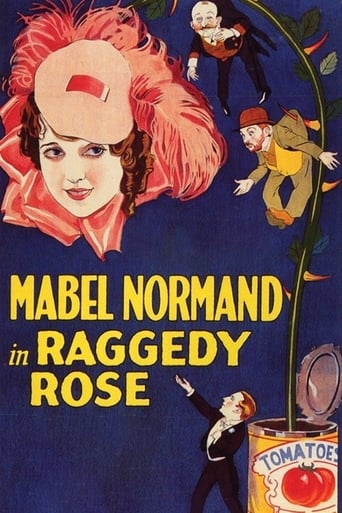

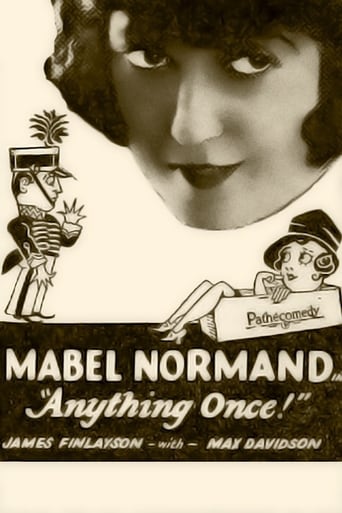
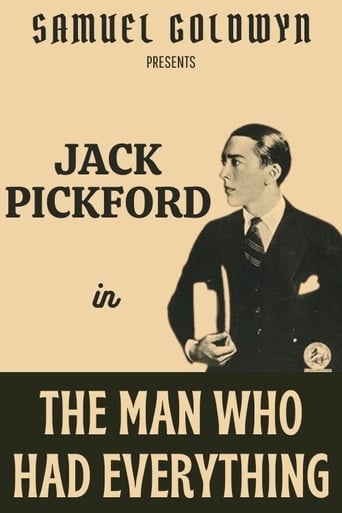

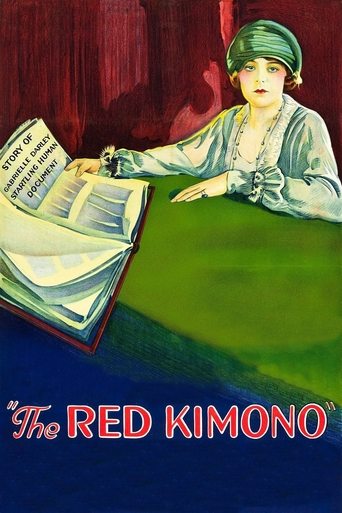
About Theodore von Eltz
Prolific American character actor: over four decades, from the silent era through the golden age of Hollywood. Born into a prominent family in New Haven, Connecticut, he began his film career in 1915 and quickly established himself as a reliable performer, particularly adept at playing sophisticated villains, aristocrats, and authority figures. During the silent era, he appeared in numerous notable productions including 'The Man Who Had Everything' (1920), 'Tiger Rose' (1923), and worked alongside major stars of the period. Von Eltz successfully made the transition to sound films, a challenge that ended many silent-era careers, and continued working steadily through the 1930s and 1940s. Theodore appears in over 200 films throughout his career, often in uncredited or supporting roles, but his distinctive presence and aristocratic bearing made him a recognizable face to audiences. His later years saw him appearing in classic films like 'The Maltese Falcon' (1941) and 'Casablanca' (1942), though often in minor capacities. Von Eltz retired from acting in the late 1950s, leaving behind a legacy as one of Hollywood's most dependable character actors.
The Craft
On Screen
Von Eltz was known for his refined, aristocratic demeanor and ability to portray sophisticated characters with ease. His acting style was typical of the stage-influenced performers of his era, emphasizing clear diction and dramatic gestures in silent films that adapted well to sound. He specialized in playing authority figures, wealthy businessmen, and aristocratic villains, bringing a sense of gravitas and authenticity to these roles. His distinctive appearance - tall, well-dressed, with a commanding presence - made him particularly effective in roles requiring an air of superiority or menace.
Milestones
- Film debut in 1915
- Successful transition from silent to sound films
- Appeared in over 200 films
- Worked with major studios including MGM and Warner Bros.
- Featured in classic films like 'The Maltese Falcon' and 'Casablanca'
Best Known For
Iconic Roles
Must-See Films
Working Relationships
Worked Often With
Studios
Why They Matter
Impact on Culture
Theodore von Eltz represents the archetype of the reliable Hollywood character actor who provided essential support to leading players across decades of American cinema. His ability to successfully transition from silent films to talkies demonstrated adaptability during one of Hollywood's most significant technological shifts. While never achieving star status, his consistent presence in hundreds of films contributed to the richness and authenticity of Hollywood's golden age productions. His portrayals of authority figures and aristocratic characters helped establish visual shorthand for audiences, reinforcing social hierarchies and class distinctions prevalent in 1930s and 1940s cinema.
Lasting Legacy
Von Eltz's legacy lies in his contribution to the fabric of classic Hollywood cinema as one of the industry's most dependable supporting players. His filmography serves as a virtual timeline of American cinema from the silent era through the studio system's peak. While not a household name, film historians and classic cinema enthusiasts recognize him as an essential component of the ensemble casts that defined Hollywood's golden age. His career exemplifies the journey of countless character actors who provided the necessary depth and variety that made classic films memorable and authentic.
Who They Inspired
As a character actor rather than a star, von Eltz's influence was primarily through his work ethic and professionalism rather than through mentoring or direct influence on other performers. His longevity in the industry demonstrated the viability of a career built on reliability and versatility rather than stardom. His successful navigation of the silent-to-sound transition provided a model for other actors facing similar challenges during this transformative period in cinema history.
Off Screen
Theodore von Eltz came from a family background and maintained a relatively private personal life throughout his Hollywood career. He married actress Peggy Prior, with whom he had two children. His daughter Lori von Eltz also became an actress, continuing the family's entertainment legacy. Von Eltz was known as a reliable professional who maintained steady work in Hollywood through multiple decades, suggesting a disciplined and committed approach to his craft. In his later years, he lived in Woodland Hills, California, where he passed away in 1964 at the age of 70.
Education
Educated in New Haven, Connecticut; specific educational institutions not documented
Family
- Peggy Prior (1925-1964)
Did You Know?
- Appeared in over 200 films during his 42-year career
- Successfully transitioned from silent films to talkies, a feat many contemporaries couldn't achieve
- Often played uncredited roles in major films, including 'Casablanca'
- His distinctive aristocratic appearance made him a natural choice for playing wealthy or powerful characters
- Worked with virtually every major Hollywood studio during his career
- His daughter Lori von Eltz also became an actress
- Despite his Germanic surname, he was born and raised in America
- His final film appearance was in 1957's 'The Deadly Mantis'
- He was particularly prolific during the 1930s, appearing in dozens of films per decade
- His active years covered from the early days of feature films through the decline of the studio system
In Their Own Words
Not documented as having made famous public quotes - his legacy is through his performances rather than his words
Frequently Asked Questions
Who was Theodore von Eltz?
Screen credits include over 200 films from 1915 to 1957. He was known for playing sophisticated villains, aristocrats, and authority figures, particularly during Hollywood's golden age. Despite never achieving star status, he was one of Hollywood's most reliable supporting actors.
What films is Theodore von Eltz best known for?
Titles linked here include The Man Who Had Everything (1920), Tiger Rose (1923).
When was Theodore von Eltz born and when did he die?
Born November 5, 1893; died October 17, 1964.
What awards did Theodore von Eltz win?
Theodore von Eltz did not receive any major awards or nominations during his career. Like many character actors of his era, his contributions were recognized through consistent employment rather than formal accolades.
What was Theodore von Eltz's acting style?
Von Eltz was known for his refined, aristocratic demeanor and ability to portray sophisticated characters with authority. His style was typical of stage-influenced performers of his era, emphasizing clear diction and dramatic presence. He specialized in playing authority figures and wealthy characters, bringing authenticity and gravitas to these roles.
How did Theodore von Eltz transition from silent to sound films?
Von Eltz successfully made the transition from silent to sound films, a significant achievement that ended many careers of his contemporaries. His stage-influenced acting style, clear diction, and professional adaptability allowed him to continue working steadily through the 1930s and beyond, appearing in numerous talkies throughout his career.