

No Man's Law
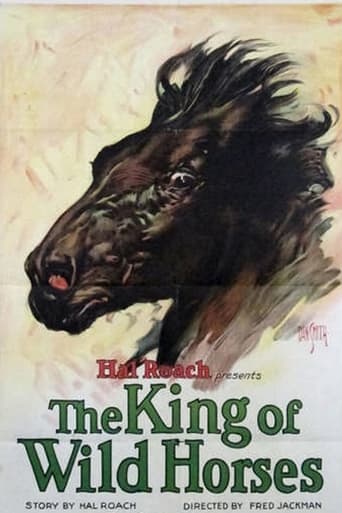
"A wild stallion (Rex the Wonder Horse) becomes the protector of a prospector and his foster."
Keys: Space play/pause · ←/→ 10s · F fullscreen · M mute · </> speed
About this film
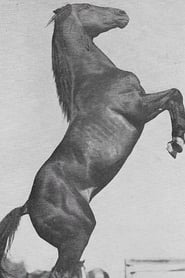
A wild stallion (Rex the Wonder Horse) becomes the protector of a prospector and his foster daughter as two thugs plot to steal their claim.
Cast & crew
More films like this
More Western films
View all →

More from Fred Jackman
View all →
More about this film
About the production
Release dateOctober 30, 1927
Box officeUnknown - box office records from 1927 are incomplete for this production
ProductionRayart Pictures Corporation
Filmed inAlabama Hills, Lone Pine, California, Sierra Nevada Mountains, California
The film was primarily built around showcasing Rex the Wonder Horse's abilities, with the human cast serving as supporting characters to the equine star. Director Fred Jackman, a former special effects expert at Hal Roach Studios, utilized innovative camera techniques to capture the horse's dramatic actions. The production faced challenges in coordinating complex stunts with the animal star, requiring extensive training and multiple takes. The film was shot during the summer of 1927 to take advantage of optimal lighting conditions for outdoor sequences.
Themes
Loyalty and protectionNatural justice vs. human corruptionThe untamed spirit of the WestInnocence threatened by greedThe bond between humans and animals
Themes & topics
prospectorwild stallionclaim jumpingfoster daughterthugsgold mininganimal herowestern frontierjusticeloyaltygreedprotection
Historical background
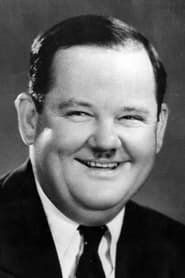
Made in 1927, in United States, under Fred Jackman, No Man's Law belongs to silent filmmaking amid the silent era's rapid stylistic experiments. No Man's Law is a 1927 American silent Western film directed by Fred Jackman, starring Rex the King of Wild Horses, and featuring Oliver Hardy as a lustful villain.
Why this film matters
Within silent history, Fred Jackman's name attaches to the work; surviving prints help researchers study silent-era craft; 1927 film by Fred Jackman.
Making of
The making of 'No Man's Law' was centered around the extraordinary abilities of Rex the Wonder Horse, who had become a major box office draw by 1927. Director Fred Jackman, leveraging his background in special effects, employed innovative camera techniques including low-angle shots to emphasize Rex's heroic stature and dramatic slow-motion sequences for the horse's action scenes. The cast and crew spent weeks working with Rex and his trainer to achieve the complex sequences required for the film. James Finlayson, typically known for comedy roles, was cast against type as one of the villains, showcasing his versatility as an actor. The production utilized the scenic Alabama Hills, a popular filming location for westerns, to create authentic outdoor settings. The film was shot quickly and efficiently, typical of Rayart Pictures' B-movie production approach, but with special attention given to sequences featuring Rex, as these were the main attraction for audiences.
What critics said
Contemporary reviews of No Man's Law are sparse in open sources; later catalog entries chiefly summarize plot and credits.
Did you know?
- Rex the Wonder Horse was one of the highest-paid animal actors of the silent era, earning approximately $1,000 per week at the height of his career
- The film was one of several starring Rex the Wonder Horse, who appeared in over 20 films during his career
- Director Fred Jackman was originally a special effects expert who worked on Harold Lloyd films before becoming a director
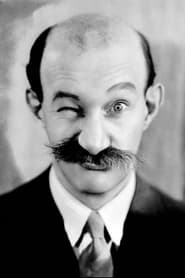
- James Finlayson, better known for his work with Laurel and Hardy, plays against type as a villain in this western
- The film's success led to a sequel, 'The Devil's Saddle' (1927), also starring Rex the Wonder Horse
- Rex performed his own stunts, including dramatic falls and fights with other horses, without the use of stunt doubles
- The film was originally titled 'The Wild Stallion' before being changed to 'No Man's Law'
- Barbara Kent was only 19 years old when she starred in this film, early in her career that would span over 60 films
- The production used real gold mining equipment and authentic western props to enhance the film's realism
- Rex the Wonder Horse was owned and trained by Jack 'Swede' Lindquist, who also served as the film's animal coordinator
Awards & recognition
- No major awards documented for this production
Visual style
The cinematography by Ira H. Morgan utilized the expansive landscapes of the Alabama Hills to create dramatic western vistas, employing wide shots to emphasize the isolation and danger of the frontier setting. Morgan incorporated innovative low-angle photography to enhance Rex the Wonder Horse's heroic presence, making the horse appear larger and more imposing in key scenes. The film features several dynamic action sequences shot with moving cameras, unusual for a low-budget production of the era. Natural lighting was maximized for outdoor scenes, creating authentic western atmospheres. The cinematography also includes close-ups of Rex that were technically challenging for the time, requiring special camera setups to capture the horse's expressions and reactions effectively.
Innovations
The film's primary technical achievement lay in its sophisticated coordination of animal action sequences, which required innovative training methods and camera techniques. Director Fred Jackman applied his special effects background to create convincing action scenes featuring Rex the Wonder Horse, including complex stunts and fight sequences. The production utilized multiple cameras to capture horse action from various angles, a relatively advanced technique for a B-western of the era. The film also employed early forms of animal perspective shots, attempting to show scenes from the horse's point of view. The seamless integration of animal performance with human action represented a significant technical challenge that the production met with considerable success.
Music
As a silent film, 'No Man's Law' would have been accompanied by live musical performances in theaters. The original score likely consisted of compiled classical pieces and popular songs appropriate for western films, with typical selections including works by composers like Rossini and Verdi, along with period popular songs. Larger theaters might have commissioned original compositions, while smaller venues used stock music. The musical accompaniment would have emphasized action sequences during Rex's heroic moments and provided emotional underscoring for dramatic scenes. No original composed score specifically for this film survives, as was typical for productions of this budget level in 1927.
Famous quotes
No Man's Law can stop a horse that knows right from wrong!
In the wilderness, justice comes on four hooves!
Gold makes men greedy, but loyalty makes them heroes!
Memorable scenes
- The dramatic sequence where Rex thwarts the thugs' first attempt to harm the prospector by creating a diversion with a herd of wild horses
- The tense standoff where Rex positions himself between the villains and Mary, refusing to let them pass
- The climactic scene where Rex leads a posse to the captured prospector, using his knowledge of the terrain to outsmart the criminals
- The emotional moment where Rex first demonstrates his protective nature by saving Mary from a rattlesnake
What audiences thought
Audiences in 1927 responded enthusiastically to 'No Man's Law,' particularly fans of westerns and animal pictures. The film performed well in small-town and rural theaters, where westerns were especially popular. Rex the Wonder Horse had developed a loyal following, and his films consistently drew audiences eager to see the horse's latest adventures. Children particularly enjoyed the film, as Rex's heroic actions and clear-cut morality appealed to family audiences. The film's success helped cement Rex's status as among the leading reliable animal stars of the late silent period, though his popularity would wane with the advent of sound films, where animal actors proved more challenging to feature prominently.
Film connections
Influenced by
- Earlier Rex the Wonder Horse films
- Contemporary western serials
- Animal star films like Rin Tin Tin features
- Traditional western morality plays
- Silent era adventure films
This film influenced
- Subsequent Rex the Wonder Horse productions
- Later animal-centered westerns
- 1930s B-westerns featuring animal sidekicks
- Modern films featuring heroic animals
Film restoration
The film survives in incomplete form, with several reels held at the Library of Congress and the UCLA Film and Television Archive. Some deterioration is evident in existing prints, but key sequences including Rex's major action scenes are preserved. The film has been partially restored by film preservationists, though complete restoration has not been undertaken due to the fragmented nature of surviving elements.
Where to watch
- Available on various public domain streaming platforms
- Screened occasionally at silent film festivals and special events
- Accessible through film archives and specialized classic film distributors
- Some segments available on YouTube and other video sharing platforms