Films
4 films
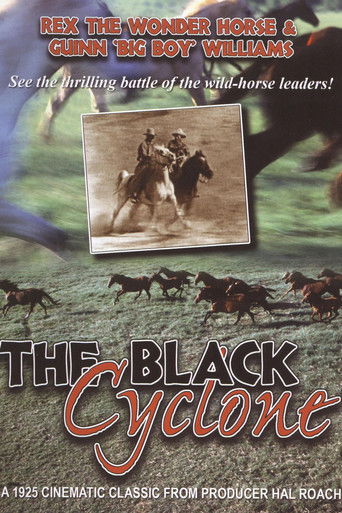
About Rex
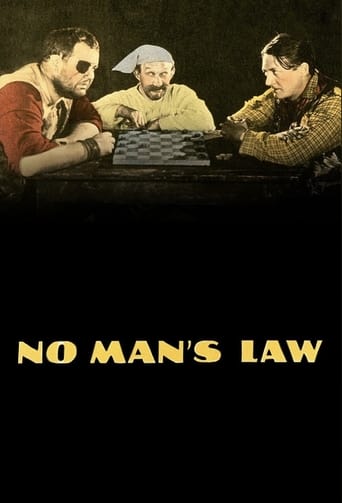
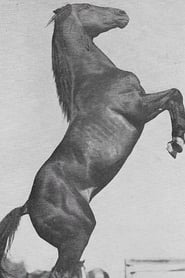
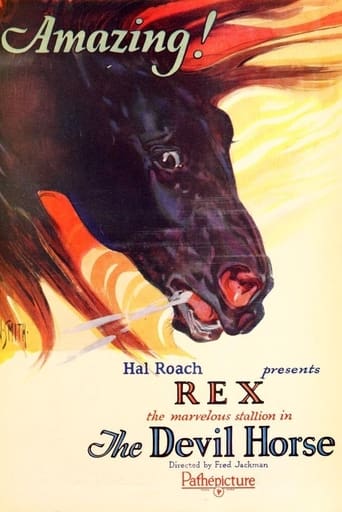
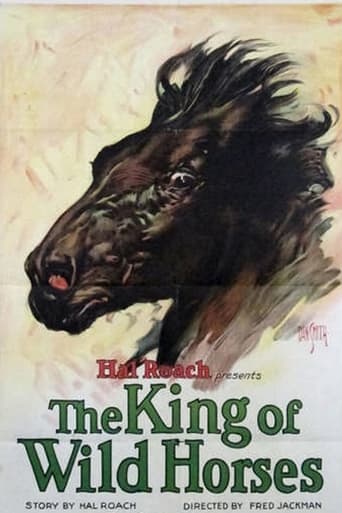
Rex was famous animal actors of the silent film era, a magnificent black stallion who achieved star status in Hollywood during the mid-1920s. Discovered and trained by Jack 'Swede' Lindquist, Rex possessed extraordinary intelligence and the ability to perform complex stunts that amazed audiences worldwide. His career began with Universal Pictures, where he quickly became a box office draw, headlining his own films rather than merely serving as a background animal. Rex's most famous work includes 'Rex the Devil Horse' (1926), where he played the lead role, and 'No Man's Law' (1927), where he starred alongside human actors. The horse was renowned for performing dangerous stunts without wires or safety devices, including jumping from cliffs, swimming across rivers, and fighting other animals on camera. His fame was such that he received top billing in several films and even had his own fan club. Rex's career was relatively brief but impactful, spanning primarily from 1926 to 1927 before the transition to sound films diminished the market for animal stars.
The Craft
On Screen
Rex was known for his remarkable ability to understand and execute complex commands from his trainer, Jack Lindquist. His 'acting' style involved expressive movements, dramatic reactions, and the capacity to perform emotionally resonant scenes that audiences found compelling. Unlike typical animal actors, Rex could convey a range of emotions through his body language and facial expressions, making him appear to understand the dramatic context of his scenes.
Milestones
- Starred in 'Rex the Devil Horse' (1926) as the lead character
- Featured prominently in 'No Man's Law' (1927)
- Became one of Universal Pictures' most bankable animal stars
- Performed dangerous stunts without safety equipment
- Had his own fan club and received fan mail from audiences
Best Known For
Iconic Roles
Must-See Films
Accolades
Special Recognition
- One of the few animal actors to receive top billing in major studio productions
- Recognized as Universal Pictures' premier animal star of 1926-1927
- Featured in film history books as a pioneer of animal acting
Working Relationships
Worked Often With
Studios
Why They Matter
Impact on Culture
Rex represented a unique phenomenon in silent cinema where animal actors could achieve genuine star status comparable to human performers. His success demonstrated the public's appetite for stories centered on animal heroes and paved the way for future animal stars in cinema. Rex's films often carried moral messages about loyalty, courage, and the bond between humans and animals, themes that resonated strongly with audiences of the 1920s. His ability to perform dangerous stunts without safety equipment also highlighted the different standards and risks of early film production.
Lasting Legacy
Rex remains a significant figure in the history of animal actors, often cited alongside other famous film animals like Rin Tin Tin and Strongheart. His brief but spectacular career exemplifies the golden age of animal stars in silent cinema, when horses could command top billing and draw audiences to theaters. Film historians frequently reference Rex when discussing the evolution of animal training techniques and the changing role of animals in entertainment. His story also serves as a reminder of the risks and ethical considerations involved in using animals for entertainment purposes.
Who They Inspired
Rex's success influenced Universal Pictures to invest more heavily in animal-centered productions, leading to the creation of other animal stars like Rex the Wonder Dog. His training methods, developed by Jack Lindquist, became influential in the field of animal training for film. The popularity of Rex's films demonstrated to studios that animal-centered narratives could be commercially viable, encouraging future productions featuring animal protagonists. His ability to perform complex stunts also pushed the boundaries of what was considered possible in animal acting.
Off Screen
Rex was owned and trained by Jack 'Swede' Lindquist, who discovered the horse's exceptional intelligence and trainability. The two developed a close working relationship, with Lindquist serving as both trainer and handler throughout Rex's film career. Rex lived primarily on Lindquist's ranch when not filming, where he continued his training and cared for other animals used in films.
Did You Know?
- Black stallion of unknown breed, likely with Morgan or Arabian ancestry
- He could reportedly understand over 100 different commands
- Rex performed his own stunts, including a 50-foot jump into a river
- The horse received more fan mail than many human actors of his time
- Rex had his own branded merchandise, including toys and books
- He was one of the first animal actors to receive screen credit
- Rex's films were often used to promote humane treatment of animals
- The horse was insured for a substantial sum by Universal Pictures
- Rex's training took over two years before his film debut
- He was known for his gentle temperament off-camera despite his fierce on-screen persona
Frequently Asked Questions
Who was Rex?
Famous horse with credits in this catalog. He was one of the first animal actors to achieve genuine star status, receiving top billing and headlining his own films.
What films is Rex best known for?
Titles linked here include Rex the Devil Horse (1926), No Man's Law (1927).
When was Rex born and when did he die?
Born c. 1915; died c. 1940.
What awards did Rex win?
Rex did not receive formal awards as animal actors were not eligible for industry recognition during his era. However, he achieved commercial success and was recognized as Universal Pictures' premier animal star.
What made Rex's acting style special?
Rex's acting style was by his ability to understand and execute complex commands, perform dangerous stunts without safety equipment, and convey emotion through his movements and expressions. His intelligence and trainability set him apart from other animal actors of his time.
Who trained Rex for his film career?
Rex was trained and handled by Jack 'Swede' Lindquist, who discovered the horse's exceptional abilities and developed his skills over two years of intensive training before his film debut.
How did Rex influence later animal actors in film?
Rex's success demonstrated the commercial viability of animal-centered films, leading studios to invest more in animal productions. His training methods influenced the field of animal training for films, and his career paved the way for future animal stars like Rin Tin Tin and Lassie.