
Rex the Devil Horse
"A boy's family is wiped out in an Indian massacre of a wagon train"
Keys: Space play/pause · ←/→ 10s · F fullscreen · M mute · </> speed
About this film
A boy's family is wiped out in an Indian massacre of a wagon train and he is captured. He befriends a wild colt. Years later, following his escape, he is recaptured by Indians who force him to fight their vicious devil horse . The horse looks somewhat familiar.
Cast & crew
More Western films
View all →

More from Fred Jackman
View all →
More about this film
About the production
Release dateOctober 17, 1926
ProductionUniversal Pictures
Filmed inUniversal Studios Lot, Universal City, California, Simi Valley, California
This film was part of Universal's extensive production of B-westerns during the silent era, capitalizing on the popularity of Western films and the rising star power of Yakima Canutt as both an actor and stunt performer. The production utilized Universal's extensive backlot Western sets and the diverse California landscape for location shooting. The horse training and stunts required extensive preparation, with Canutt himself heavily involved in choreographing the action sequences. The film was shot quickly and efficiently, typical of Universal's approach to genre programming during this period.
Themes
Survival against overwhelming oddsThe enduring bond between humans and animalsRedemption through loyalty and friendshipThe harsh reality of frontier lifeComing of age in a hostile environment
Themes & topics
wagon trainIndian attackorphancaptivitywild horsefriendshipescaperecaptureforced combatreunionsurvivalrevengefrontier justice
Historical background
Silent-era production in 1926 relied on intertitles, live accompaniment, and studio systems that were rapidly consolidating into national industries. Archival sources describe Rex the Devil Horse as 1926 film. Contemporary context can be traced through sources such as the Wikipedia article on The Devil Horse (1926 film).
Why this film matters
Rex the Devil Horse remains part of the screen heritage of its era, offering evidence of prevailing genres, production methods, and audience tastes. Later revivals, archive screenings, and digitization have kept such titles accessible to researchers and dedicated viewers long after their first commercial runs.
Making of
The production of 'Rex the Devil Horse' was typical of Universal's efficient approach to B-western filmmaking during the silent era. Yakima Canutt, already renowned for his stunt work, brought considerable authenticity to the action sequences, often performing dangerous horse stunts himself. The training of the horses used in the film was extensive, with trainers spending months preparing the animals for the specific behaviors required by the script. Director Fred Jackman, with his background in cinematography, paid particular attention to the visual composition of the action sequences, using the expansive California landscape to create a sense of scale and authenticity. The film was shot in approximately two weeks, a standard schedule for Universal's genre productions of the period. The Indian village set was a permanent fixture on Universal's backlot, reused in numerous Western productions. The climactic fight scene between the protagonist and the devil horse required careful choreography to ensure the safety of both the human and animal performers, with Canutt's expertise in stunt coordination proving invaluable to the sequence's success.
What critics said
Trade and newspaper reviews from the silent period for Rex the Devil Horse survive only in fragments, making precise reception history difficult to reconstruct. Modern assessment tends to emphasize historical value, craft, and cultural context rather than box-office performance.
Did you know?
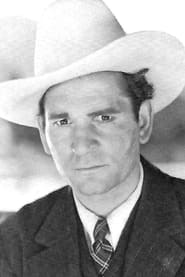
- Yakima Canutt, who played the lead, was one of Hollywood's most famous stuntmen and later became a stunt coordinator, pioneering many safety techniques still used today.
- The film featured real horse stunts that were considered dangerous even by 1920s standards, with Canutt performing many of his own riding sequences.
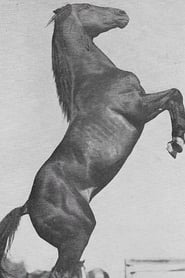
- The 'devil horse' was actually played by multiple horses trained for specific behaviors, a common practice in early Western filmmaking.
- Director Fred Jackman was originally a cinematographer who worked with D.W. Griffith before transitioning to directing Westerns at Universal.
- The film was released during the peak popularity of silent Westerns, just before the transition to sound would revolutionize the genre.
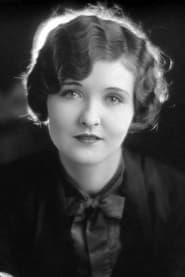
- Gladys McConnell, who played the female lead, was a former Mack Sennett bathing beauty who transitioned to more serious roles in Westerns.
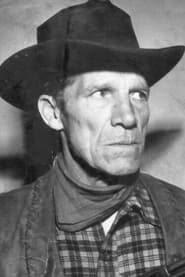
- Bob Kortman, who played the villain, was a regular in Universal Westerns and known for his imposing presence and ability to play menacing characters.
- The film's title was changed in some markets to 'The Devil Horse' to avoid confusion with other 'Rex' films being produced during the same period.
- The wagon train massacre sequence used many of the same extras and background players who appeared in other Universal Westerns of the era.
- The film's preservation status is uncertain, as many Universal silent films were lost when the studio's nitrate vaults deteriorated in the 1940s.
Visual style
The cinematography of 'Rex the Devil Horse' reflects the practical approach typical of Universal's B-western productions of the era. The visual style emphasized clarity and functionality, with compositions designed to showcase the action sequences effectively. The film made good use of natural lighting for the exterior scenes, particularly in the location shots that provided the expansive Western landscapes audiences expected from the genre. The camera work during the horse stunts and action sequences was notably dynamic for the period, using movement and framing to enhance the excitement and danger of these moments. The wagon train massacre sequence employed effective use of depth and composition to create a sense of chaos and scale within the limitations of the production resources. The cinematography also paid attention to the visual storytelling required in silent films, ensuring that the emotional states of characters and the relationship between the protagonist and the horse were clearly conveyed through visual means rather than relying on intertitles.
Innovations
The primary technical achievements of 'Rex the Devil Horse' lie in its sophisticated horse stunts and action choreography, which pushed the boundaries of what was possible in silent-era Western filmmaking. Yakima Canutt's expertise in stunt work allowed for sequences that were both thrilling and relatively safe for the performers, representing an important step forward in the professionalization of film stunts. The film also demonstrated effective techniques for filming action involving animals, using careful camera placement and editing to create the illusion of more dangerous situations than actually occurred. The wagon train massacre sequence utilized practical effects and crowd management techniques that were advanced for a B-western production. The film's editing, particularly in the action sequences, showed a growing understanding of rhythm and pacing in visual storytelling, using cuts and camera movement to enhance the excitement of the horse stunts. These technical elements, while not revolutionary in themselves, contributed to the overall effectiveness of the film and represented the cumulative refinement of filmmaking techniques during the mature silent period.
Music
As a silent film, 'Rex the Devil Horse' would have been accompanied by live musical performance during its original theatrical run. The typical presentation would have featured either a theater organist or a small ensemble providing musical accompaniment synchronized with the on-screen action. The score would have followed the conventions of silent film music, with different themes and motifs for the main characters, dramatic music for the action sequences, and sentimental themes for the emotional moments involving the relationship between the protagonist and the horse. The music would have been particularly important during the climactic fight scene between the hero and the devil horse, helping to build tension and highlight the emotional significance of the reunion. While no specific composer is credited for the film's original musical accompaniment, theaters would have used standard repertoire pieces and themes commonly associated with Western films of the period, possibly including adaptations of popular songs or classical pieces appropriate to the mood of various scenes.
Famous quotes
The devil horse... it cannot be tamed!
I know this horse... from long ago!
Survival is the only law on the frontier
A bond with a horse is stronger than steel
In the wilderness, a true friend is worth more than gold
Memorable scenes
- The opening wagon train massacre sequence that establishes the protagonist's tragic backstory
- The young boy's first encounter with the wild colt and the beginning of their friendship
- The escape sequence where the grown protagonist flees his captors
- The climactic arena fight between the hero and the devil horse
- The emotional reunion scene where the protagonist recognizes his childhood companion
- The final escape sequence where hero and horse ride to freedom together
What audiences thought
Contemporary audience reception for 'Rex the Devil Horse' appears to have been generally favorable, particularly among fans of the Western genre. The film's combination of action, adventure, and the emotional appeal of the human-animal bond resonated with 1920s moviegoers who had come to expect certain elements from their Western entertainment. The horse stunts and action sequences were particularly popular with audiences, who appreciated the authentic thrills provided by Canutt's performance. As part of Universal's program of Westerns, the film likely performed well in smaller markets and rural areas where Westerns were especially popular. The emotional core of the story - the reunion between the protagonist and his childhood horse companion - would have provided the sentimental element that audiences of the era often sought in their entertainment. While the film did not achieve the level of success of major A-list productions, it satisfied its target audience and contributed to Universal's reputation for delivering reliable genre entertainment.
Film connections
Influenced by
- The Iron Horse (1924)
- The Covered Wagon (1923)
- Tumbleweeds (1925)
- The Great K&A Train Robbery (1926)
- The White Desert (1925)
This film influenced
- The Devil Horse (1932)
- The Return of the Devil Horse (1934)
- King of the Wild Horses (1933)
- Stormy (1935)
- My Friend Flicka (1943)
Film restoration
The preservation status of 'Rex the Devil Horse' is uncertain, and it is considered a potentially lost film. Many of Universal's silent era productions, particularly B-westerns, were lost when the studio's nitrate film vaults deteriorated in the 1940s or were destroyed in studio purges. No complete copies of the film are known to exist in major film archives such as the Library of Congress, the UCLA Film & Television Archive, or the Museum of Modern Art. However, fragments or incomplete prints may exist in private collections or smaller archives that have not been thoroughly catalogued. The film's survival would be of significant interest to film historians and preservationists due to Yakima Canutt's participation and its representation of late silent-era Western filmmaking. Efforts by film preservation organizations continue to search for lost films from this period, and discoveries are occasionally made in unexpected locations.
Where to watch
- Currently, 'Rex the Devil Horse' is not available on any commercial streaming platforms or home video releases due to its uncertain preservation status. The film may only be accessible through specialized film archives, private collectors, or film preservation institutions that might hold surviving prints or fragments. Film enthusiasts interested in viewing this movie should contact major film archives such as the Universal Studios archives, the Academy Film Archive, or the Library of Congress Motion Picture Division to inquire about any existing materials. Occasionally, lost films from this period are discovered and screened at special film preservation events or silent film festivals, so monitoring such events might provide opportunities to see the film if a print is discovered. Some film societies and museums specializing in silent cinema may also have information about the film's availability or screening possibilities.