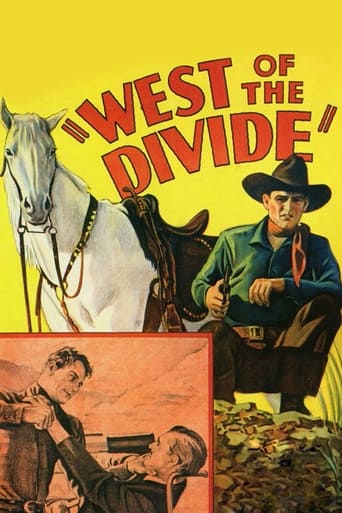
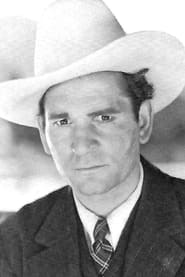
Yakima Canutt
Actor
Born: November 29, 1895 in Colfax, Washington, USA Died: May 24, 1986 Active: 1919-1976 Birth Name: Enos Edward Canutt
Films
7 films

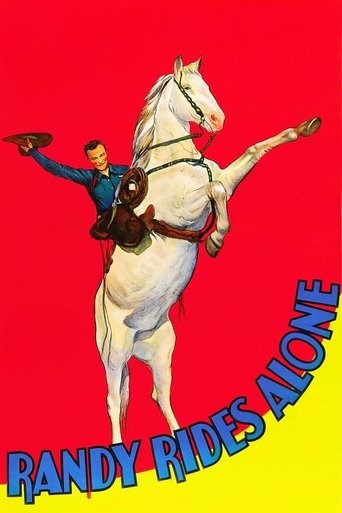
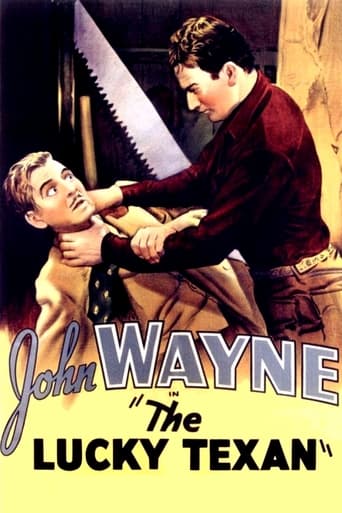
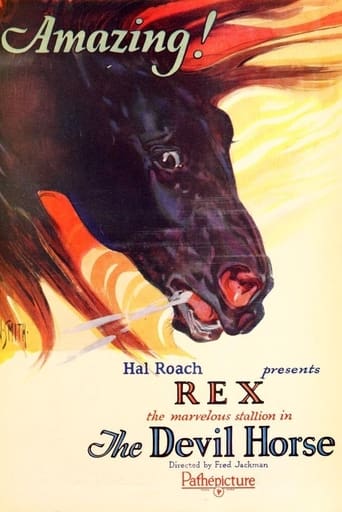
About Yakima Canutt
Enos Edward 'Yakima' Canutt — American stuntman, rodeo champion, and second-unit director who revolutionized action sequences in Hollywood cinema. Born in 1895, Canutt began his career as a champion rodeo rider before transitioning to films in the 1920s, where he quickly became the most sought-after stunt performer in Westerns. His innovative techniques for horse falls, wagon crashes, and fight choreography established safety standards still used today. Canutt doubled for major stars like John Wayne, Clark Gable, and Gary Cooper while also appearing as an actor in numerous B-Westerns. His most significant contribution came as a second-unit director, where he orchestrated sequences in films like 'Stagecoach' (1939) and 'Ben-Hur' (1959). Canutt received an honorary Academy Award in 1966 for his lifetime achievement in creating stunt techniques and safety innovations. His legacy endures through the Canutt family dynasty of stunt performers and the fundamental principles of modern action cinematography that he established.
The Craft
On Screen
As an actor, Canutt specialized in rugged, authentic Western characters, often playing villains or sidekicks in B-Westerns. His performances were characterized by natural horsemanship and physical authenticity that came from his rodeo background. While not a method actor by training, his on-screen presence carried genuine toughness and credibility that resonated with audiences. Canutt's acting was secondary to his stunt work, but he brought a level of realism to fight scenes and action sequences that few actors could match.
Milestones
- Won World Champion Rodeo Rider title in 1917
- Performed first-ever moving camera stunt sequence in 'The Trojan Horse' (1927)
- Developed the 'L' stirrup technique for safer horse falls
- Choreographed the legendary chariot race in 'Ben-Hur' (1959)
- Received Academy Honorary Award for lifetime achievement in 1966
- Established the first formal stunt safety protocols in Hollywood
- Founded the Stuntmen's Association of Motion Pictures in 1961
Best Known For
Iconic Roles
Must-See Films
Accolades
Won
- Academy Honorary Award (1966)
- Golden Boot Award (1984)
- Western Heritage Awards (multiple)
Nominated
- Academy Award nomination for Best Assistant Director for 'The Adventures of Mark Twain' (1944)
Special Recognition
- Hollywood Walk of Fame star (1975)
- Stuntmen's Hall of Fame inductee
- Rodeo Hall of Fame inductee
- Western Performers Hall of Fame inductee
- National Cowboy & Western Heritage Museum honoree
Working Relationships
Worked Often With
Studios
Why They Matter
Impact on Culture
Yakima Canutt fundamentally transformed action cinema by introducing systematic safety procedures and innovative stunt techniques that became industry standards. His work established the professionalization of stunt performing, elevating it from dangerous spectacle to a skilled craft. Canutt's influence extended beyond Westerns to all action genres, with his techniques for falls, fights, and vehicle work being adapted for modern films. His creation of the Stuntmen's Association provided crucial advocacy and safety standards for performers, while his Academy Award recognition brought legitimacy to the stunt profession within the Hollywood establishment.
Lasting Legacy
Canutt's legacy endures through the fundamental principles of action cinematography that still govern modern filmmaking. His innovations in camera placement, editing techniques for action sequences, and safety protocols remain industry standards. The Canutt family dynasty, spanning multiple generations of stunt performers, continues his work in contemporary cinema. His honorary Academy Award marked a turning point in recognizing the artistic and technical contributions of stunt performers to filmmaking. Modern action directors and stunt coordinators still reference Canutt's techniques when planning complex sequences.
Who They Inspired
Canutt influenced generations of stunt performers and action directors through his technical innovations and professional standards. His work with John Ford on 'Stagecoach' established the template for dynamic action sequences in Westerns that directors like Sergio Leone would later emulate. His choreography techniques influenced martial arts cinema, with directors like Bruce Lee adapting his principles of visible impact and safety. Modern action filmmakers, from Steven Spielberg to Christopher Nolan, owe a debt to Canutt's work in creating thrilling yet safe action sequences.
Off Screen
Canutt married three times and had five children, including Joe Canutt who followed in his footsteps as a stuntman. His personal life was marked by his dedication to his craft and the rodeo community. Despite the dangerous nature of his work, he lived to age 90, attributing his longevity to careful planning and respect for safety protocols. Canutt remained active in the film industry well into his 70s, consulting on action sequences and mentoring younger performers.
Education
Limited formal education, primarily self-taught through rodeo experience and on-the-job film training
Family
- Kitty Wilks (1916-1922)
- Minnie H. Earp (1923-1946)
- Robbie A. Paul (1947-1986, his death)
Did You Know?
- He broke 13 bones in his body and suffered numerous injuries during his career but never missed work due to injury
- His nickname 'Yakima' came from his early rodeo days in Yakima, Washington
- He performed the famous horse-to-stagecoach transfer stunt in 'Stagecoach' that has been imitated countless times
- During the filming of 'Ben-Hur', he devised a special camera system to capture the chariot race safely
- He doubled for Clark Gable in the burning of Atlanta sequence in 'Gone with the Wind'
- Canutt invented the 'running W' technique for safely tripping horses in film
- He worked as Howard Hughes' personal stunt coordinator for several years
- His son Joe performed the famous leap from chariot to chariot in 'Ben-Hur' while doubling for Stephen Boyd
- Canutt's stunt safety innovations are credited with saving countless lives in the film industry
- He was one of the first stunt performers to receive screen credit for his work
- The 'Canutt' technique for falling from horses is still taught to stunt performers today
In Their Own Words
The secret to a good stunt is making it look dangerous while being perfectly safe.
I've been falling off horses for fifty years, and I've learned to land like a cat.
Every stunt is a puzzle. You figure out how to make it look real without getting hurt.
The best stunts are the ones the audience doesn't even realize are stunts.
In stunt work, planning is everything. The actual performance is just execution of the plan.
Frequently Asked Questions
Who was Yakima Canutt?
Legendary American stuntman, rodeo champion, and second-unit on YTB.my. He pioneered safety techniques and choreography methods that became industry standards and received an honorary Academy Award for his contributions to cinema.
What films is Yakima Canutt best known for?
Titles linked here include Stagecoach (1939), Ben-Hur (1959).
When was Yakima Canutt born and when did he die?
Born November 29, 1895; died May 24, 1986.
What awards did Yakima Canutt win?
Canutt received an Academy Honorary Award in 1966 for his lifetime achievement in creating stunt techniques and safety innovations. He also won a Golden Boot Award in 1984 and was inducted into multiple halls of fame, including the Rodeo Hall of Fame and Western Performers Hall of Fame.
What was Yakima Canutt's acting and directing style?
As an actor, Canutt specialized in authentic Western characters with natural horsemanship. As a second-unit director, he pioneered dynamic action cinematography with meticulous planning and innovative camera techniques, always prioritizing safety while creating spectacular sequences. His work emphasized realism through his rodeo background and systematic approach to action choreography.