
Blue Steel
"loyalty in a pre-war tale"
Keys: Space play/pause · ←/→ 10s · F fullscreen · M mute · </> speed
About this film
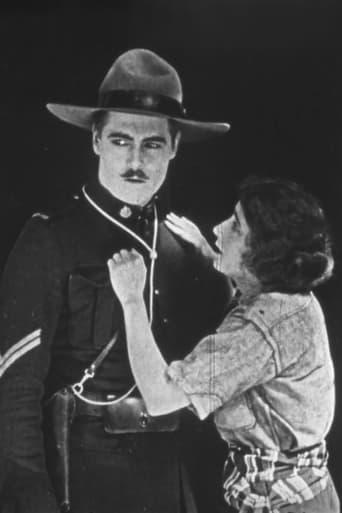
An unlikely pre-war life, when Sheriff Jake sees a man at the safe and then finds the payroll gone, he trails him. Just as he is about to arrest him, the man saves his life. Still suspicious, he joins up with the man and later they learn that Melgrove, the towns leading citizen, is trying to take over the
Cast & crew
More films like this

More Western films
View all →

More from Robert N. Bradbury
View all →
More about this film
About the production
Release dateJune 25, 1934
ProductionLone Star Productions, Monogram Pictures
Filmed inLone Pine, California, Alabama Hills, Sherwood Forest, California
This was one of sixteen films John Wayne made for Lone Star Productions between 1933-1935. The film was shot in just six days on a tight budget, typical of B-western productions of the era. Director Robert N. Bradbury was a prolific western director who specialized in these quick, efficient productions. The Alabama Hills location was frequently used for westerns due to its dramatic rock formations that resembled the American West.
Themes
Themes & topics
Historical background
Made in 1934, Blue Steel belongs to the pre-war and carries the visual and narrative habits of its time. Bradbury and starring John Wayne. Wayne plays a U.S.
Why this film matters
For collectors of early and classic cinema, Blue Steel illustrates the range of subjects and styles that reached theaters in 1934.
Making of
Robert N. Bradbury was known for his efficiency in directing westerns, often completing films in under a week. John Wayne was still developing his on-screen persona during this period, working extensively with Bradbury to refine his western hero character. The production utilized local ranch hands and cowboys as extras, many of whom had real experience with horses and cattle. The film's action sequences were choreographed by Yakima Canutt, a stuntman who worked on numerous Wayne westerns. The tight budget meant that costumes and props were often reused from previous productions, with Wayne wearing the same cowboy outfit in multiple films.
What critics said
Critics writing near 1934 focused on how Blue Steel compared with rival titles in the same season.
Did you know?
- This was one of the earliest films where John Wayne's character name was 'Jake,' a name he would use in several westerns throughout his career.
- George 'Gabby' Hayes developed his famous gabby sidekick persona during this period of his career, though he wasn't yet using the 'Gabby' nickname professionally.
- The film was part of a package deal where Monogram Pictures would release multiple Wayne westerns each year to meet the demand for B-movie programming.
- The payroll robbery plot was a common trope in early westerns, reflecting real concerns about stagecoach and train security in the American West.
- Eleanor Hunt, who played the female lead, was married to director Robert N. Bradbury at the time of filming.
- This film was remade in 1935 as 'The Desert Trail' with John Wayne again in the lead role, using much of the same footage and plot elements.
- The movie's title 'Blue Steel' refers to the color of gun barrels, not the 1990 Jamie Lee Curtis film of the same name.
- John Wayne received only $2,500 for his work on this film, a typical salary for B-western stars of the period.
- The film's production schedule was so tight that some scenes were shot in a single take, regardless of minor errors.
- Many of the supporting actors were regulars in Bradbury's films, creating a familiar ensemble for western audiences.
Visual style
The cinematography by Archie Stout utilized natural lighting and the dramatic landscapes of the Alabama Hills to create visually striking compositions despite budget limitations. The camera work was functional rather than artistic, focusing on clear storytelling and action visibility. Long shots emphasized the isolation of the western setting, while medium shots kept the action clear for theater audiences. The film's visual style was typical of Lone Star productions, prioritizing efficiency over innovation but making effective use of available natural scenery.
Innovations
The film demonstrated the efficiency of B-western production techniques, completing a full-length feature in less than a week of shooting. The action sequences, while simple, were effectively staged using practical stunts and real horseback riding. The production utilized location shooting to maximum advantage, creating authentic western atmosphere without expensive set construction. The film's tight editing and pacing kept the story moving efficiently within its brief runtime.
Music
The film featured a typical western score of the period, with stock music used to underscore action sequences and emotional moments. No original musical numbers were included, as was common for action-oriented westerns. The sound design emphasized gunshots, hoofbeats, and ambient western sounds. As was typical for low-budget productions, much of the music was reused from earlier Monogram Pictures releases to save on costs.
Famous quotes
I'm taking you in, dead or alive!
There's more to this than meets the eye.
A man's got to do what he thinks is right.
This town needs someone who isn't afraid to stand up to Melgrove.
Memorable scenes
- The opening payroll robbery sequence where Sheriff Jake first spots the mysterious stranger
- The ambush scene where the suspect saves Jake's life, creating the moral dilemma
- The final confrontation where Jake and his ally break through the supply wagon blockade
- The tense standoff between the ranchers and Melgrove's forces
What audiences thought
The film was well-received by its target audience of western fans and Saturday matinee attendees. John Wayne's growing popularity ensured good attendance, particularly in smaller towns and rural areas where westerns were especially popular. The film's straightforward plot and clear moral distinctions appealed to Depression-era audiences seeking uncomplicated entertainment. While it didn't break any box office records, it performed adequately for a B-western and helped maintain Wayne's visibility during a crucial period of his career development.
Film connections
Influenced by
- The Great Train Robbery (1903)
- Stagecoach (1939) - later influenced by Wayne's work in films like this
This film influenced
- The Desert Trail (1935) - remake with similar plot
- Numerous B-westerns of the 1930s that copied its formula
Film restoration
The film survives in complete form and has been preserved through various home video releases. Multiple copies exist in film archives and private collections. The film has entered the public domain, which has helped ensure its survival through various distribution channels. Several restoration efforts have been undertaken by classic film distributors to improve video and audio quality for modern viewing.
Where to watch
- YouTube (public domain uploads)
- Classic film streaming services like The Film Detective
- DVD collections from companies like Alpha Video
- Amazon Prime Video (various public domain versions)
- Tubi (free streaming)
- Pluto TV (classic film channels)