Films
4 films

About George Nash
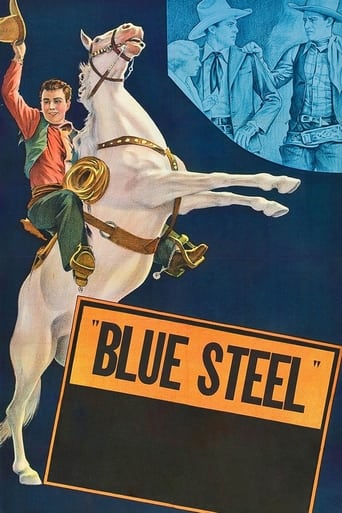
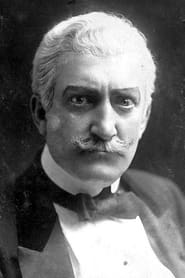
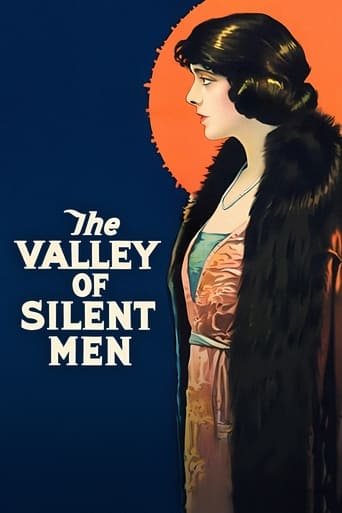
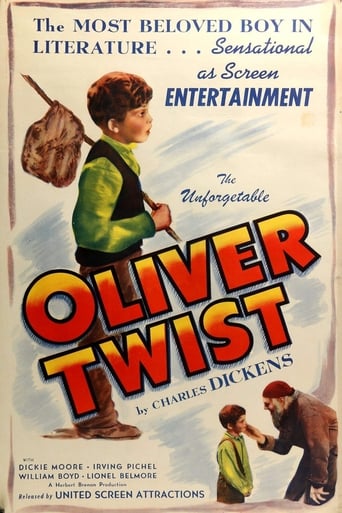
American actor who worked during the transitional period from silent films to early talkies in the 1920s and 1930s. His screen career ran from 1922 to 1934, during which he appeared in a variety of films as a supporting actor and character player. Nash began his film career in the silent era with The Valley of Silent Men in 1922, demonstrating his ability to convey emotion and character without dialogue. As the film industry transitioned to sound, Nash successfully adapted his craft, appearing in early sound films including the 1933 adaptation of Oliver Twist and the Western Blue Steel in 1934. While he never achieved leading man status, Nash — reliable character actor who contributed to numerous productions during this pivotal era in cinema history. His ability to transition between silent and sound films demonstrated his versatility as a performer during one of Hollywood's most transformative periods.
The Craft
On Screen
As a character actor during the silent-to-talkies transition, George Nash likely employed a more naturalistic acting style compared to the exaggerated gestures common in pure silent films. His ability to continue working through the transition to sound suggests he had strong vocal capabilities and could adapt to the new demands of talkies.
Milestones
- Appeared in The Valley of Silent Men (1922) during the silent era
- Successfully transitioned to talkies with Oliver Twist (1933)
- Worked in the Western genre with Blue Steel (1934)
- Adapted his acting style from silent to sound films
Best Known For
Iconic Roles
Must-See Films
Why They Matter
Impact on Culture
George Nash represents the many character actors who were essential to Hollywood's production during the silent era and early sound period. While not a major star, actors like Nash formed the backbone of film productions, providing the supporting performances that allowed leading actors to shine. His successful transition from silent films to talkies exemplifies the adaptability required of actors during this revolutionary period in cinema history.
Lasting Legacy
Though not widely remembered today, George Nash's career spans. His work in both silent and sound films demonstrates the evolution of acting techniques and the challenges faced by performers during the advent of synchronized sound. He represents the countless dedicated character actors who contributed to the golden age of Hollywood's foundation.
Who They Inspired
As a supporting actor rather than a star, George Nash's direct influence on other performers is not well-documented. However, his successful navigation of the silent-to-sound transition would have served as an example for other character actors facing similar challenges during this transformative era in cinema.
Off Screen
Very little documented information is available about George Nash's personal life, which was common for supporting actors of his era who did not achieve major stardom.
Did You Know?
- Appeared in films spanning both the silent and early sound eras
- Worked in multiple genres including drama and Western
- The Valley of Silent Men (1922) was one of his earliest known film appearances
- Oliver Twist (1933) featured him during the early sound period
- Blue Steel (1934) was one of his final known film appearances
- Like many character actors of his era, detailed biographical information is scarce
- His career coincided with major technological changes in the film industry
Frequently Asked Questions
Who was George Nash?
American character with credits in this catalog.
What films is George Nash best known for?
Titles linked here include The Valley of Silent Men (1922), Oliver Twist (1933).
When was George Nash active in films?
George Nash was active in films from 1922 to 1934, a period that encompassed the major transition from silent films to talkies in Hollywood.
What type of roles did George Nash typically play?
George Nash worked primarily as a character actor and supporting player, appearing in various genres including drama and Western films during his career.
How did George Nash adapt to the transition from silent to sound films?
George Nash successfully transitioned from silent films to talkies, appearing in both The Valley of Silent Men (1922) during the silent era and later sound films like Oliver Twist (1933) and Blue Steel (1934), demonstrating his adaptability as a performer.