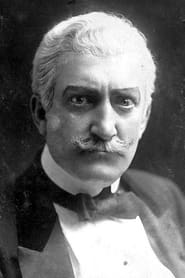
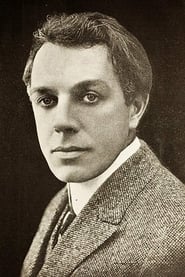

The Valley of Silent Men
"The hunter becomes the hunted"
Keys: Space play/pause · ←/→ 10s · F fullscreen · M mute · </> speed
About this film
The hunter becomes the hunted, an officer of the Royal Mounted, fleeing, fighting for his life. Guided to a secret valley in the frozen North by a hot-blooded French-Canadian beauty, with a secret of her own...
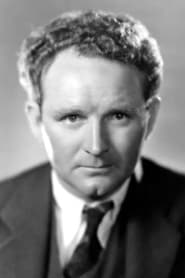
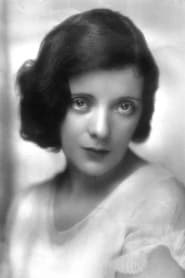
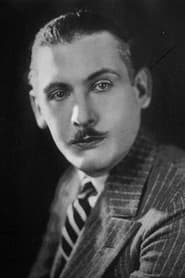
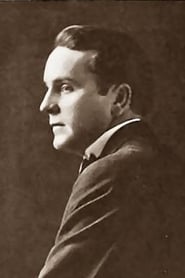
Cast & crew
More films like this
More Drama films
View all →






More from Frank Borzage
View all →
More about this film
About the production
Release dateOctober 15, 1922
Box officeUnknown
ProductionFox Film Corporation
Filmed inCalifornia, USA (studio locations)
The film was adapted from James Oliver Curwood's popular novel of the same name. The production utilized painted backdrops and studio sets to simulate the Canadian wilderness, as was common practice in early 1920s filmmaking. The winter scenes were particularly challenging to create in the studio environment, requiring artificial snow and careful lighting to achieve the desired atmospheric effect.
Themes
Justice and redemptionLove conquering adversityCivilization versus wildernessHonor and dutyDeception and truth
Themes & topics
Royal Mounted PoliceFalse accusationFugitiveCanadian wildernessWinter survivalHidden valleyRomantic tensionPursuitSecret identityFrontier justice
Historical background
Silent-era production in 1922 relied on intertitles, live accompaniment, and studio systems that were rapidly consolidating into national industries.
Why this film matters
The Valley of Silent Men remains part of the screen heritage of its era, offering evidence of prevailing genres, production methods, and audience tastes. Later revivals, archive screenings, and digitization have kept such titles accessible to researchers and dedicated viewers long after their first commercial runs.
Making of
The production faced significant challenges in creating convincing winter wilderness scenes on studio sets in California. The art department used various techniques including cotton, salt, and painted backdrops to simulate snow and ice. Director Frank Borzage, even in this early stage of his career, was known for his attention to emotional detail and worked closely with his actors to develop the romantic tension between the leads. Alma Rubens and Lew Cody reportedly had a professional but sometimes tense working relationship, which may have contributed to the on-screen chemistry. The film was shot during the summer of 1922, requiring actors to perform in heavy winter costumes under hot studio lights, creating uncomfortable working conditions. The production team studied photographs and films of actual Canadian wilderness to ensure authenticity in their studio recreations.
What critics said
Trade and newspaper reviews from the silent period for The Valley of Silent Men survive only in fragments, making precise reception history difficult to reconstruct. Modern assessment tends to emphasize historical value, craft, and cultural context rather than box-office performance.
Did you know?
- The film is based on a novel by James Oliver Curwood, especially popular adventure writers of the early 20th century whose works were frequently adapted to film
- Director Frank Borzage would later become renowned for his romantic dramas and win the first Academy Award for Best Director for '7th Heaven' (1927)
- Alma Rubens was at the height of her popularity in 1922, though her career would be cut short by her untimely death in 1931
- The film was one of many Fox Film Corporation productions set in the Canadian North, capitalizing on the public's fascination with wilderness adventures
- Joe King, who plays the lead, was a former professional baseball player before turning to acting
- The title 'The Valley of Silent Men' refers to a remote, hidden valley where fugitives could supposedly escape justice
- This was one of several collaborations between Frank Borzage and Fox Film Corporation in the early 1920s
- The film's themes of law and morality in the wilderness were common in Curwood adaptations
- Silent films of this era often used intertitles extensively; this film reportedly had over 200 title cards
- The French-Canadian character played by Alma Rubens was typical of the exotic 'other' characters popular in adventure films of the period
Visual style
The cinematography by Lucien Andriot utilized the visual techniques common to early 1920s adventure films, with careful attention to creating atmospheric winter scenes despite studio limitations. The film employed soft focus techniques for romantic scenes and sharper focus for action sequences. Lighting was crucial in creating the illusion of snow and ice, with high-key lighting used to simulate the reflective quality of snow. The cinematography emphasized the contrast between the cold, dangerous wilderness and the warmth of human connection. Camera movement was relatively static by modern standards, but used effective composition to convey the vastness of the landscape and the isolation of the characters.
Innovations
The film's primary technical achievement lay in its convincing creation of winter wilderness environments within studio constraints. The art department developed innovative techniques for simulating snow and ice effects that were convincing to audiences of the period. The production also demonstrated effective use of matte paintings and background projections to extend the apparent scope of the sets. While not groundbreaking in its technical aspects, the film represented solid craftsmanship typical of Fox Film Corporation's productions of the era. The film's editing effectively balanced action, romance, and suspense, maintaining narrative momentum throughout its 70-minute runtime.
Music
As a silent film, The Valley of Silent Men would have been accompanied by live musical performance during its original theatrical run. Theaters typically used compiled scores featuring popular classical pieces and mood-appropriate music. Fox Film Corporation may have provided musical cue sheets to theaters, suggesting appropriate music for various scenes. The score would have emphasized the romantic elements with tender melodies and heightened tension during action sequences with dramatic, rhythmic pieces. No original composed score by a specific composer is known for this film, which was typical of the period before studios began commissioning original scores for major productions.
Famous quotes
In the Valley of Silent Men, even the truth must sometimes wait for spring
When the hunter becomes the hunted, the wilderness becomes your only friend
Some secrets are worth dying for, others are worth living for
Memorable scenes
- The dramatic escape through the frozen wilderness as Sergeant O'Neill flees his pursuers
- The tense first meeting between Jim and Maballa in the snowbound forest
- The revelation of Maballa's secret in the hidden valley
- The final confrontation in the isolated valley where justice is served
- The romantic climax as the leads find shelter together during a blizzard
What audiences thought
The Valley of Silent Men appears to have been moderately successful with audiences in 1922, capitalizing on the popularity of both its source material and its stars. Alma Rubens had a strong fan following, and her presence likely drew many viewers to theaters. The adventure elements and romantic storyline appealed to the broad audience base of silent film enthusiasts. The film's Northwoods setting was particularly popular with urban audiences who enjoyed escapist entertainment set in wilderness locations. While not a blockbuster hit, the film performed well enough to justify Fox Film Corporation's continued investment in similar adventure productions and Curwood adaptations.
Film connections
Influenced by
- James Oliver Curwood's novel
- Earlier Northwoods adventure films
- Popular frontier literature
- Romantic melodrama conventions
This film influenced
- Later James Oliver Curwood adaptations
- Northwestern genre films
- Frank Borzage's later romantic dramas
Film restoration
The film is considered partially lost or incomplete, with only fragments surviving in various film archives. Some portions may exist in private collections or foreign archives. The Library of Congress and other preservation institutions continue to search for missing elements. The surviving fragments suggest the complete film would be approximately 70 minutes. No complete restored version is currently available for public viewing.
Where to watch
- Due to its incomplete preservation status, The Valley of Silent Men is not commercially available. Film archives that may hold fragments include: The Library of Congress, The Museum of Modern Art Film Department, The UCLA Film & Television Archive. Occasionally, fragments may be shown at special archival screenings or silent film festivals. No legitimate streaming or home video releases are currently available.