Films
3 films
About Mario Majeroni
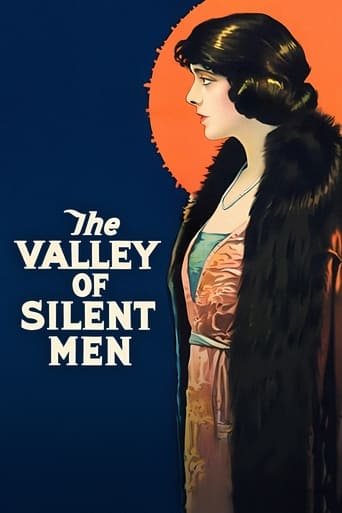
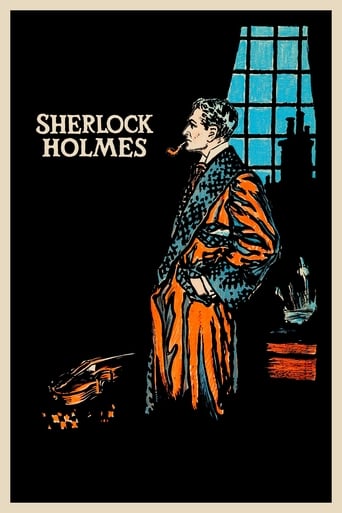
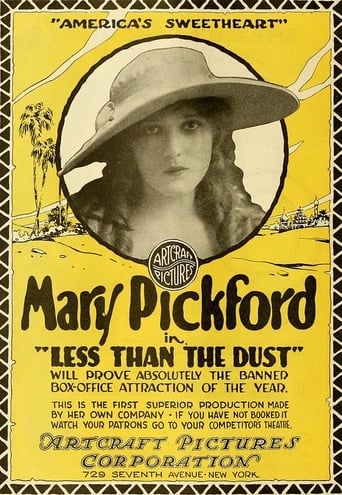
Italian-born stage and screen actor: film career took place during the silent era of American cinema. He is credited on surviving filmographies in a small but notable number of productions between 1916 and 1922, including Sherlock Holmes, Less Than the Dust, and The Valley of Silent Men. Like many imported European performers of the period, Majeroni appears to have brought a theatrical presence and a refined, continental manner to his screen roles, which were typically supporting parts rather than star vehicles. His career in film seems to have been comparatively brief, and much of his screen legacy is preserved through cast credits rather than extensive surviving biographical documentation. He is representative of the many immigrant character actors who helped give silent-era films their cosmopolitan texture and breadth. Because available records are limited, details of his personal life, training, and later years remain obscure, but his name endures through the films in which he appeared. His work contributes to the historical fabric of early Hollywood and the broader international exchange of talent that shaped silent cinema.
The Craft
On Screen
No detailed contemporary critical descriptions of Mario Majeroni's technique are widely preserved, but as a silent-era supporting actor he would likely have relied on the period's expressive, theatrical style of gesture, posture, and facial expression. His casting in literary and melodramatic productions suggests a screen persona suited to dignified, authoritative, or culturally specific supporting roles. Like many classically trained performers of the era, he likely emphasized clarity of movement and readable emotion to communicate without spoken dialogue.
Milestones
- Appeared in the Sherlock Holmes feature released in 1916, placing him in one of the better-known literary adaptations of the silent era
- Worked in Less Than the Dust (1916), a notable early vehicle associated with the exotic melodramas popular in the period
- Performed in The Valley of Silent Men (1922), extending his screen career into the early 1920s
- Established himself as a supporting player in silent-era productions rather than as a headline star
- Represents the wave of European actors who moved into American film production during the 1910s
Best Known For
Iconic Roles
Must-See Films
Why They Matter
Impact on Culture
Mario Majeroni's cultural impact lies less in celebrity than in representation: he is part of the broad cohort of international performers who helped define the look and feel of silent-era cinema. Actors like Majeroni gave early Hollywood and associated production centers a more varied, worldly cast of characters, reinforcing the period's fascination with literary adaptations, melodrama, and exoticized settings. Even when not central to the plot, such performers contributed significantly to atmosphere and authenticity, which were essential elements in silent storytelling. His presence in films connected to Sherlock Holmes and other period dramas shows how character actors supported the prestige ambitions of early filmmakers. For historians, Majeroni is valuable as evidence of the transnational nature of early film acting and casting practices.
Lasting Legacy
Majeroni's legacy is primarily archival and historiographic: he survives in cast lists, film histories, and the memory of silent cinema rather than in a large body of well-preserved screen work. His career illustrates how many early film performers were essential to the medium's development even if they never achieved star billing or widespread celebrity. Because silent-era records are often incomplete, actors like Majeroni can be difficult to reconstruct in detail, which makes every surviving credit important. His name remains attached to a small group of films that continue to be of interest to scholars and enthusiasts of classic cinema. In that sense, his legacy is part of the larger preservation of silent-film personnel whose contributions might otherwise be forgotten.
Who They Inspired
There is no evidence that Mario Majeroni directly mentored major figures or exercised a documented influence as a star teacher or industry leader. His influence is best understood indirectly: as a working character actor, he contributed to the performance culture that shaped silent-era ensemble acting. Performers of his type helped establish the conventions of screen presence, emotional legibility, and cosmopolitan casting that later generations inherited. His work also reflects the broader influence of European theatrical actors on early American film performance standards.
Off Screen
Reliable biographical information about Mario Majeroni's personal life is scarce in readily accessible film reference sources. His family background, marriage history, and later life are not well documented in standard classic-cinema summaries. As a result, there is no confidently verified record here of spouses, children, or domestic life. He appears in the historical record primarily through his film credits rather than through extensive press coverage or memoir material.
Did You Know?
- Mario Majeroni is associated with both literary adaptation and melodrama, two dominant silent-era genres.
- His film credits span from 1916 to 1922, a relatively compact screen career during a transformative period in cinema history.
- He is Mario Majeroni appeared in Sherlock Holmes, linking him to.
- Available records do not clearly preserve his birth and death dates, which is common for lesser-documented silent-era performers.
- He appears to have worked primarily as a supporting actor rather than as a leading man.
- His career illustrates how many European-born actors participated in early Hollywood and American-based film production.
- He remains of interest to historians because silent-era filmographies often preserve names that other records do not.
Frequently Asked Questions
Who was Mario Majeroni?
Screen credits include a small number of films between 1916 and 1922. He is best remembered as a supporting performer in early American cinema, including Sherlock Holmes, Less Than the Dust, and The Valley of Silent Men.
What films is Mario Majeroni best known for?
Titles linked here include Sherlock Holmes (1916), Less Than the Dust (1916).
When was Mario Majeroni born and when did he die?
His exact birth and death dates are not readily confirmed in widely available classic-cinema references. The surviving record primarily preserves his film credits rather than detailed biographical data.
What awards did Mario Majeroni win?
No widely documented awards or formal honors are known for Mario Majeroni. Like many silent-era supporting actors, his recognition appears to have come through his screen work rather than award-based acclaim.
What was Mario Majeroni's acting style?
As a silent-era actor, his style would have relied on expressive physical gesture, posture, and facial expression to convey character and emotion. The roles associated with him suggest a screen presence suited to dignified, theatrical supporting parts.
What is Mario Majeroni's legacy in film history?
His legacy is that of a working silent-era character actor whose credits help document the international makeup of early film production. He remains a small but meaningful part of the historical record of silent cinema and literary adaptation.