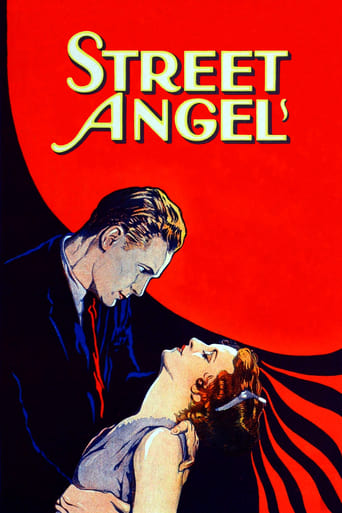
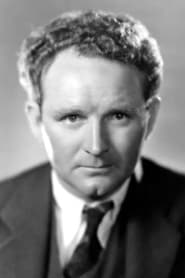
Frank Borzage
Actor & Director
Born: April 23, 1894 in Salt Lake City, Utah, United States Died: June 19, 1962 Active: 1913-1959
Films
20 films
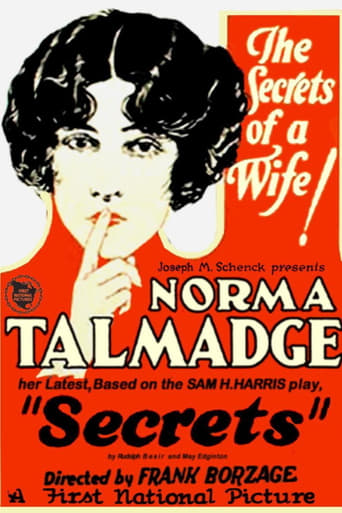
Secrets
1924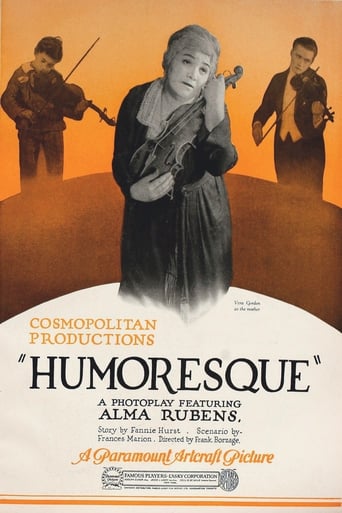
Humoresque
1920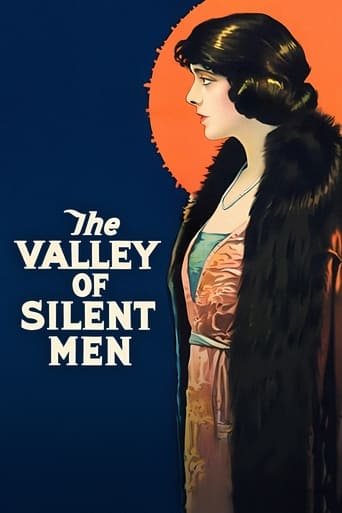
The Valley of Silent Men
1922
Until They Get Me
1917
Granddad
1913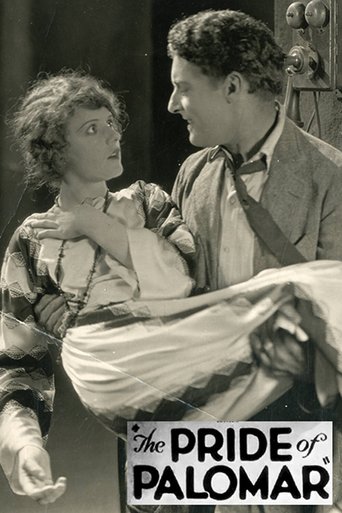
The Pride of Palomar
1922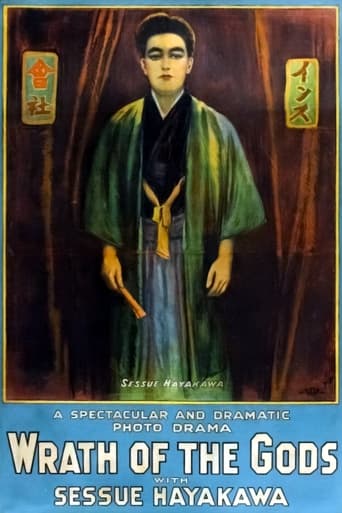
The Wrath of the Gods
1914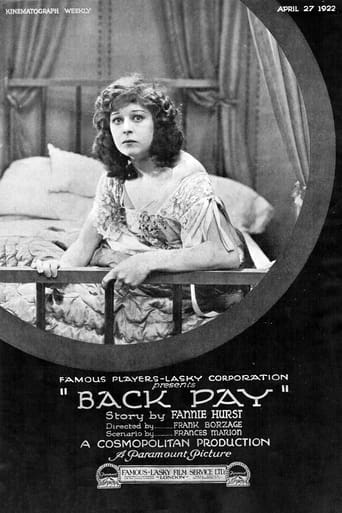
Back Pay
1922
Knight of the Trail
1915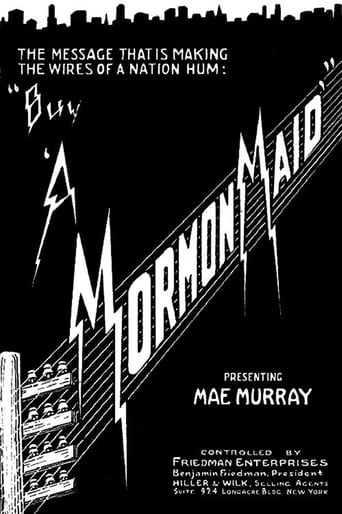
A Mormon Maid
1917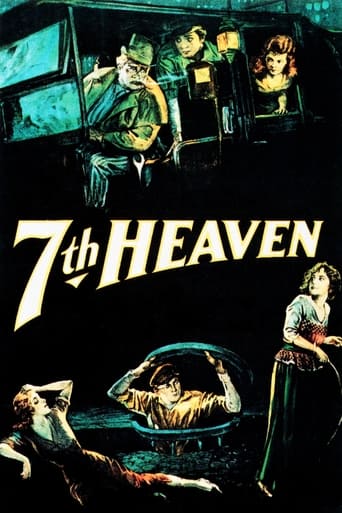
7th Heaven
1927
A Farewell to Arms
1932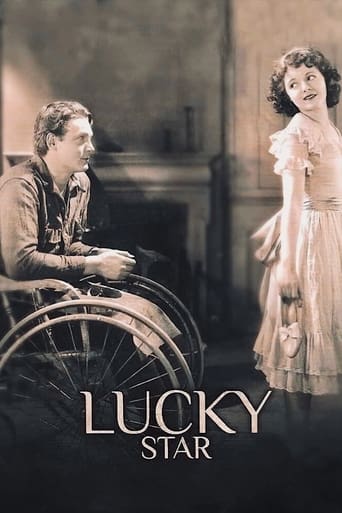
Lucky Star
1929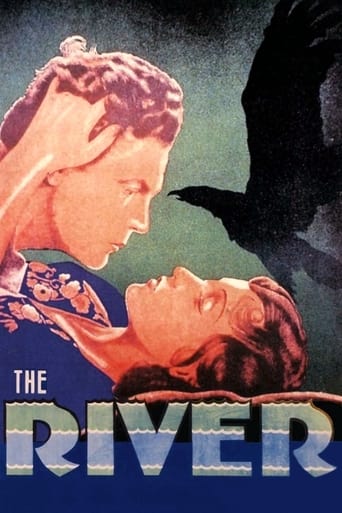
The River
1929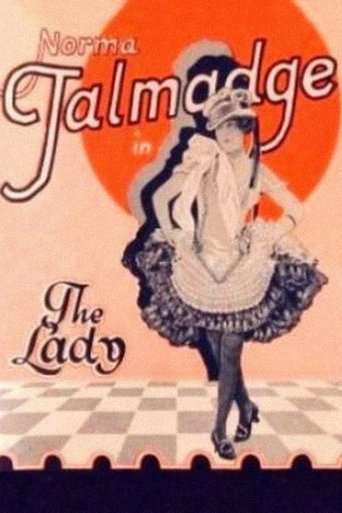
The Lady
1925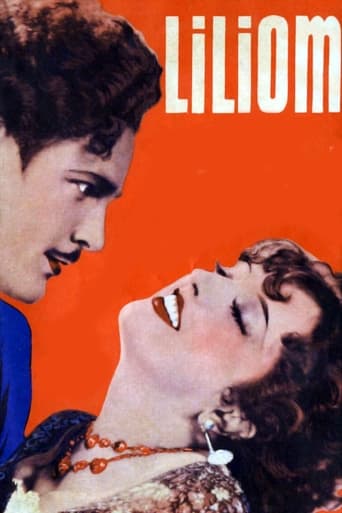
Liliom
1930
The Drummer of the 8th
1913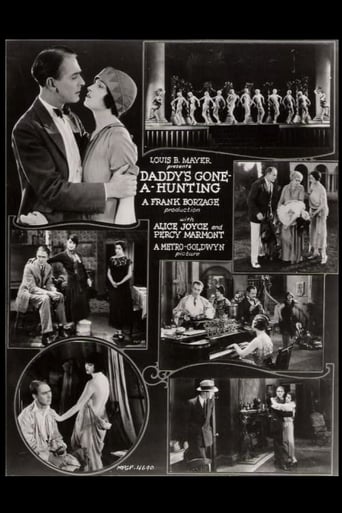
Daddy's Gone A-Hunting
1925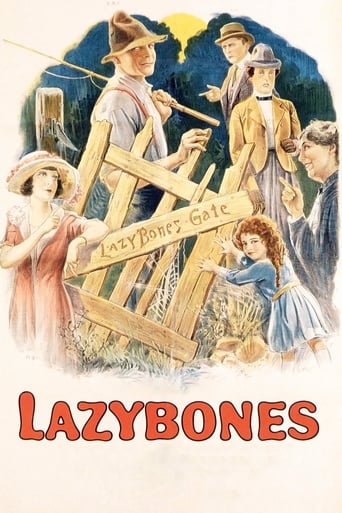
Lazybones
1925About Frank Borzage
American film director who began his career as an actor in silent films before transitioning to directing in 1915. Born to Italian-Swiss immigrants, he worked as a miner and boxer before entering the film industry, where his natural talent for visual storytelling quickly became apparent. Borzage rose to prominence in the 1920s, establishing himself excelled in romantic melodrama with films like '7th Heaven' (1927), which earned him the first-ever Academy Award for Best Director. He successfully transitioned to sound films, continuing his focus on romantic themes with acclaimed works such as 'A Farewell to Arms' (1932) and 'History Is Made at Night' (1937). His over four decades and more than 100 films, though his output diminished in the 1940s as studio preferences shifted toward more cynical narratives. Borzage's films consistently explored themes of transcendent love, spiritual redemption, and the triumph of human emotion over worldly adversity, earning him a reputation as cinema's poet of romance. Despite being somewhat overlooked in later film histories, his influence on the romantic genre and his technical innovations in visual storytelling remain significant to this day.
The Craft
On Screen
As an actor in his early career, Borzage appeared primarily in westerns and dramatic shorts, displaying a naturalistic approach that was ahead of its time. His acting style was understated and sincere, avoiding the exaggerated gestures common in silent era performances. This background as an actor gave him unique insight into directing performers, allowing him to elicit subtle, emotionally authentic performances from his cast.
Behind the Camera
Borzage's directing style was characterized by its romantic idealism, visual poetry, and emphasis on spiritual and emotional transcendence. He pioneered the use of soft focus lighting, camera movement, and composition to convey inner emotional states, creating a visual language of romance that influenced generations of filmmakers. His films often featured themes of love conquering all obstacles, with characters achieving spiritual redemption through romantic connection. Borzage was known for his meticulous attention to visual detail, his ability to create dreamlike atmospheres, and his focus on the emotional journey of his characters rather than plot mechanics.
Milestones
- First Academy Award winner for Best Director (1928)
- Directed over 100 films in his career
- Pioneered techniques for visual storytelling in romance
- Successfully transitioned from silent films to talkies
- Won two Academy Awards for Best Director (1928 and 1932)
Best Known For
Iconic Roles
Must-See Films
Accolades
Won
- Academy Award for Best Director for 7th Heaven (1928)
- Academy Award for Best Director for Bad Girl (1932)
- Academy Award for Best Director nomination for A Farewell to Arms (1933)
- Academy Award for Best Director nomination for The Mortal Storm (1941)
- Academy Award for Best Director nomination for History Is Made at Night (1938)
- Venice Film Festival Mussolini Cup for Little Man, What Now? (1934)
- Venice Film Festival Golden Lion nomination for Three Comrades (1938)
Nominated
- Academy Award for Best Director for A Farewell to Arms (1933)
- Academy Award for Best Director for The Mortal Storm (1941)
- Academy Award for Best Director for History Is Made at Night (1938)
- Directors Guild of America Award for Outstanding Directorial Achievement (multiple nominations)
Special Recognition
- Star on the Hollywood Walk of Fame (located at 6300 Hollywood Blvd)
- Retrospective at the Museum of Modern Art (1982)
- Film preservation efforts by the Criterion Collection for his classic works
- Honored at the San Francisco Silent Film Festival (multiple retrospectives)
Working Relationships
Worked Often With
Studios
Why They Matter
Impact on Culture
Frank Borzage fundamentally shaped the language of cinematic romance, establishing visual and narrative techniques that became standard in the genre. His films challenged the cynical realism of the Depression era by offering audiences hope and emotional transcendence through love stories. Borzage's work helped establish the star power of actors like Janet Gaynor and Charles Farrell, creating. His films were among the first to successfully blend European artistic sensibilities with Hollywood commercial appeal, bridging cultural divides and introducing more sophisticated emotional storytelling to mainstream American cinema. During the rise of fascism in Europe, his films like 'The Mortal Storm' served as subtle but powerful statements against totalitarianism, using romance as a metaphor for freedom and human dignity.
Lasting Legacy
Frank Borzage's legacy endures through his contributions to romantic cinema and his technical innovations in visual storytelling. As the first recipient of the Academy Award for Best Director, he helped establish the prestige of directorial achievement in Hollywood. His films continue to be studied by filmmakers and scholars for their masterful use of cinematography to convey emotion, particularly his innovative use of lighting, camera movement, and composition. The Criterion Collection has preserved and restored several of his key works, introducing new generations to his unique cinematic vision. Film historians credit Borzage with elevating the romantic melodrama from mere entertainment to high art, paving the way for later directors who explored similar themes. His influence can be seen in the work of directors from Nicholas Ray to Wong Kar-wai, who have drawn inspiration from his poetic approach to visual romance.
Who They Inspired
Borzage's influence extends across decades of filmmaking, particularly in the romantic genre. His visual techniques for conveying emotion through lighting and camera movement became standard tools for directors of romantic films. Directors such as Douglas Sirk expanded on Borzage's melodramatic style, while European auteurs like Max Ophüls drew inspiration from his fluid camera work and romantic sensibility. Modern directors including Martin Scorsese and Wong Kar-wai have cited Borzage as an influence, particularly in their use of visual poetry to express emotional states. His approach to romance as a spiritual force rather than mere physical attraction influenced countless films, from classic Hollywood romances to contemporary art cinema. Borzage's success in both silent and sound films also provided a model for directors navigating technological transitions in the film industry.
Off Screen
Frank Borzage was married three times and had a complex personal life that influenced his romantic filmmaking. His first marriage to actress Rena Rogers ended in divorce, followed by a marriage to actress Edna Stillwell. His third marriage to Juanita Scott lasted until his death. Borzage's experiences with love and heartbreak deeply informed his cinematic vision, with many of his films reflecting his belief in the transformative power of romantic love. He was known for his gentle, spiritual nature and his dedication to his craft, often working long hours to achieve the perfect emotional tone in his scenes.
Education
Limited formal education; left school early to work in mines and support his family; largely self-taught in filmmaking through practical experience in the early film industry
Family
- Rena Rogers (1916-1921)
- Edna Stillwell (1922-1939)
- Juanita Scott (1941-1962)
Did You Know?
- Won the first Academy Award ever presented for Best Director
- Began his film career as an extra in D.W. Griffith films
- Worked as a miner and professional boxer before entering films
- Directed Janet Gaynor to her first Best Actress Oscar in '7th Heaven'
- His films often featured characters finding redemption through love
- Was one of the few directors who successfully maintained his artistic vision while working within the studio system
- His name is often mispronounced - it's correctly pronounced 'bor-ZAH-jee'
- Made over 100 films but only about half survive today
- His films were particularly popular in France, where he was considered a master of cinematic poetry
- Retired from directing in the late 1950s due to declining health and changing studio preferences
- His film 'The Mortal Storm' was one of the first Hollywood films to explicitly criticize Nazism
- Was known for his gentle, spiritual approach to filmmaking and life
In Their Own Words
I try to make pictures that will make people feel better about life and love.
The camera is the eye of God, and through it we must see the beauty of the human soul.
Romance is not just about two people in love, it's about the spiritual journey that love takes us on.
Every film I make is a prayer, a hope that love will conquer all.
In the darkness of the theater, we can show people the light of hope.
I don't make pictures about reality, I make pictures about the reality of the heart.
Frequently Asked Questions
Who was Frank Borzage?
Influential American on YTB.my. He began as an actor in silent films before becoming.
What films is Frank Borzage best known for?
Titles linked here include 7th Heaven (1927), A Farewell to Arms (1932).
When was Frank Borzage born and when did he die?
Born April 23, 1894; died June 19, 1962.
What awards did Frank Borzage win?
Borzage won two Academy Awards for Best Director - the first ever awarded for '7th Heaven' (1928) and another for 'Bad Girl' (1932). He also received multiple Oscar nominations and won the Mussolini Cup at the Venice Film Festival.
What was Frank Borzage's directing style?
Borzage's directing style was characterized by romantic idealism, visual poetry, and spiritual themes. He pioneered techniques using lighting, camera movement, and composition to convey emotion, creating a dreamlike atmosphere that elevated romance to transcendent levels.
Did Frank Borzage act in films?
Yes, Borzage began his career as an actor in silent films from 1913-1916, appearing in westerns and dramatic shorts. This acting experience gave him unique insight into directing performers and eliciting authentic emotional performances.
How did Frank Borzage influence cinema?
Borzage established the visual language of cinematic romance, influencing generations of filmmakers. His techniques for conveying emotion through cinematography became standard in the genre, and his films helped elevate romantic melodrama to high art.
What themes did Frank Borzage explore in his films?
Borzage consistently explored themes of transcendent love, spiritual redemption, and the triumph of human emotion over adversity. His films often portrayed love as a spiritual force capable of transforming and redeeming characters.