
Lucky Star
"Mary."
Keys: Space play/pause · ←/→ 10s · F fullscreen · M mute · </> speed
About this film
Mary, a poor farm girl, meets Tim just as word comes that war has been declared. Tim enlists in the army and goes to the battlefields of Europe, where he is wounded and loses the use of his legs. Home again, Tim is visited by Mary, and they are powerfully attracted to each other; but his physical handicap prevents him from declaring his love for her.
Cast & crew
More films like this
More Romance films
View all →




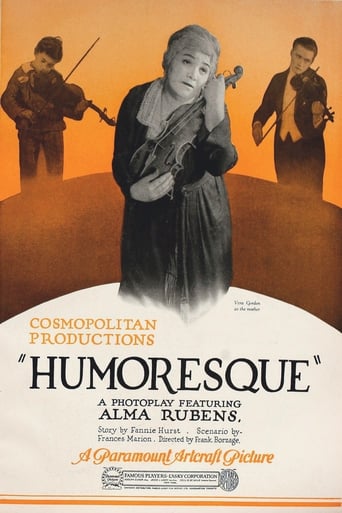
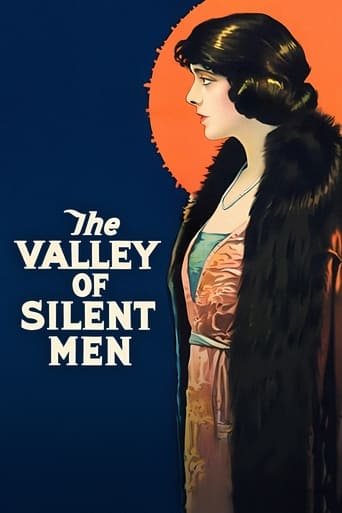
More from Frank Borzage
View all →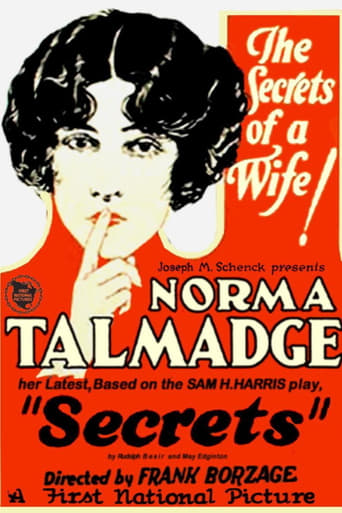
More about this film
About the production
Release dateApril 7, 1929
ProductionFox Film Corporation
Filmed inFox Studios, Century City, Los Angeles, California, Rural locations in California for farm scenes
This was one of the last major silent films produced before the complete transition to sound in Hollywood. The film was shot during the challenging period when studios were transitioning to talkies, yet Borzage chose to make it as a silent film to maintain artistic control over the visual storytelling. The production utilized innovative camera techniques and lighting to convey emotions without dialogue, particularly in scenes depicting Tim's internal struggle with his disability. The battle sequences were filmed using miniature models and clever editing techniques to create the illusion of large-scale warfare without the expense of massive set pieces.
Themes
Love transcending physical limitationsThe psychological impact of war and disabilityRedemption through self-sacrificeThe triumph of spirit over physical adversityRural purity versus urban corruption
Themes & topics
paraplegicWorld War I veteranlove trianglerural Americaphysical disabilityemotional traumaunrequited lovebullyingfarm liferedemptionself-sacrificeovercoming adversitysilent romanceveteran's struggletrue love
Historical background
By 1929, distribution was widening and Lucky Star reached audiences through the theatrical channels dominant before television.
Why this film matters
Reference works on 1929 cinema cite Lucky Star when tracing genre and regional production patterns.
Making of
The production of 'Lucky Star' took place during among the leading tumultuous periods in Hollywood history - the transition from silent to sound films. Director Frank Borzage, known for his poetic visual style, deliberately chose to make this film as a silent production despite the industry's rapid shift to talkies. This artistic decision allowed him to perfect the visual storytelling techniques that had made his earlier films so successful. The relationship between Janet Gaynor and Charles Farrell extended beyond the screen - they were close friends in real life, which contributed to their remarkable on-screen chemistry. The scenes depicting Tim's paralysis required careful blocking and camera work to convey his limitations while maintaining visual interest. Borzage used innovative techniques including low-angle shots and careful lighting to emphasize Tim's physical constraints while highlighting his emotional strength. The farm settings were meticulously recreated on studio backlots, with attention to authentic details of rural American life. The battle sequences, though brief, employed sophisticated miniature work and editing techniques that were cutting-edge for the time. The film's emotional climax, where Tim overcomes his physical limitations to save Mary, was rehearsed extensively to ensure the physical actions appeared believable while maintaining the emotional intensity of the moment.
What critics said
Trade papers near 1929 listed Lucky Star as program material rather than headline art cinema.
Did you know?
- This was the seventh film collaboration between Janet Gaynor and Charles Farrell, especially popular romantic pairings of late silent cinema.
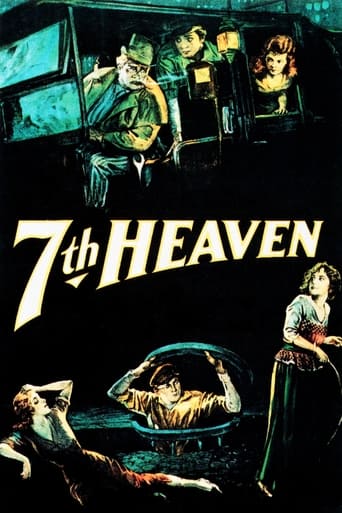
- Director Frank Borzage won the first-ever Academy Award for Best Director for '7th Heaven' (1927), another film starring Gaynor and Farrell, establishing their successful creative partnership.
- The film was released just months after the 1929 stock market crash, making its themes of perseverance and love amid hardship particularly resonant with contemporary audiences.
- Janet Gaynor was the first recipient of the Academy Award for Best Actress, won for her performances in three films including '7th Heaven' and 'Sunrise'.
- Charles Farrell and Janet Gaynor were so popular as a screen couple that they were nicknamed 'America's Sweethearts' by the press and public.
- The film's title 'Lucky Star' refers to Mary's unwavering belief that she is Tim's lucky star, a motif that recurs throughout the visual storytelling.
- This was one of the last silent films to receive widespread critical acclaim before the sound revolution completely transformed Hollywood.
- Guinn 'Big Boy' Williams, who played the antagonist Martin, was a former professional football player before becoming an actor.
- The film's emotional depth and sophisticated visual style were considered groundbreaking for silent cinema, particularly in its handling of disability and psychological trauma.
- Despite being a silent film, it was released with a synchronized musical score and sound effects using the Movietone system developed by Fox.
Awards & recognition
- Academy Award for Best Actress (Janet Gaynor) - Special award for multiple performances including this film
- Photoplay Medal of Honor for 1929
Visual style
The cinematography of 'Lucky Star' represents a pinnacle of silent film visual artistry, executed by Ernest Palmer. The film employs sophisticated lighting techniques to create emotional atmospheres, particularly using soft focus and backlighting to enhance the romantic scenes between Mary and Tim. Palmer's camera work frequently uses low angles when filming Tim in his wheelchair, subtly emphasizing his physical limitations while maintaining his dignity as a character. The battle sequences utilize innovative editing techniques and careful composition to create the illusion of large-scale conflict. The rural scenes are bathed in naturalistic light that evokes the simplicity and purity of farm life, contrasting with the more shadowy, claustrophobic indoor scenes that represent Tim's psychological confinement. The film makes extensive use of iris shots and vignettes to focus attention on characters' emotional states. The final confrontation scene features dynamic camera movement that was unusually sophisticated for a silent film, using tracking shots to build tension during the physical struggle. The cinematography consistently serves the story's emotional arc, with visual motifs of light and darkness reflecting the characters' inner journeys.
Innovations
'Lucky Star' showcased several technical innovations that were significant for late silent cinema. The film employed sophisticated miniature photography for the battle sequences, using forced perspective and careful editing to create convincing war scenes on a limited budget. The production utilized the Fox Movietone system for synchronized sound, representing the cutting edge of film technology in 1929. The camera work featured unusually fluid movement for the period, including tracking shots that followed characters through emotional scenes. The film's lighting design employed innovative techniques such as pre-exposure and multiple exposure to achieve specific emotional effects. The makeup and special effects used to depict Tim's war injuries were remarkably realistic for the time, requiring careful application that would hold up under close camera scrutiny. The film's editing rhythm was particularly sophisticated, using varying shot lengths and pacing to build emotional intensity. The production also featured advanced set construction techniques, particularly in the farm scenes where authentic period details were recreated. The film demonstrated how visual storytelling could convey complex psychological states without dialogue, using a combination of performance, lighting, and camera work to express characters' inner lives.
Music
Although 'Lucky Star' was produced as a silent film, Fox released it with their Movietone system, providing a synchronized musical score and sound effects. The original score was composed by R.H. Bassett and featured lush, romantic orchestral arrangements that enhanced the film's emotional depth. The music prominently used leitmotifs for the main characters - a gentle, hopeful theme for Mary, a more melancholic but resilient theme for Tim, and an ominous, dissonant theme for Martin. The soundtrack included carefully synchronized sound effects such as distant cannon fire during the war sequences, the creak of Tim's wheelchair, and natural farm sounds during the rural scenes. This hybrid approach - essentially a silent film with musical accompaniment - represented the transitional technology of the era. The musical score emphasized the film's emotional moments, swelling during romantic scenes and becoming more subdued during moments of struggle and introspection. The sound design, while limited by the technology of the time, was carefully considered to enhance rather than distract from the visual storytelling. The film's success with this format demonstrated that musical accompaniment could significantly enhance the emotional impact of silent cinema.
Famous quotes
Mary: 'You're not broken, Tim. You're just... different. And I love all of you.'
Tim: 'How can I ask you to share this life with me? This chair... this prison?'
Martin: 'A real man doesn't need legs to be a man. He needs heart.'
Mary: 'They say you were my lucky star, but I think it's the other way around.'
Tim: 'In war, I learned to live without hope. In peace, you've taught me to hope again.'
Memorable scenes
- The emotional reunion scene where Mary visits Tim for the first time after his return, her gentle acceptance of his condition contrasted with his self-loathing and withdrawal, conveyed entirely through their expressions and subtle gestures.
- The pivotal farm scene where Tim attempts to walk again, falling repeatedly while Mary watches with unwavering support, culminating in a moment of triumph that transcends his physical limitations.
- The intense confrontation between Tim and Martin, where the paralyzed Tim uses his intelligence and emotional strength to outwit the physically stronger bully, redefining masculinity and power.
- The final scene where Tim carries Mary in his arms despite his disability, a visual metaphor for love conquering all physical barriers, filmed with luminous backlighting that creates an almost spiritual atmosphere.
- The war montage sequence, using rapid editing and symbolic imagery to convey the horror and transformation of Tim's experience without graphic detail.
What audiences thought
Audiences in 1929 embraced 'Lucky Star' enthusiastically, making it especially successful films of that year despite the industry's rapid transition to sound. The popularity of the Gaynor-Farrell pairing ensured strong initial interest, but word-of-mouth recommendations drove sustained attendance. Moviegoers particularly responded to the film's emotional depth and the believable chemistry between the leads. Many viewers wrote letters to fan magazines expressing how deeply the film moved them, with some sharing personal stories of loved ones affected by war injuries. The film's themes of love conquering adversity resonated powerfully with audiences facing the early stages of the Great Depression. In rural areas, the authentic depiction of farm life created a strong connection with local audiences. Even as sound films dominated theaters, 'Lucky Star' continued to draw crowds, demonstrating that compelling storytelling could transcend technological novelty. The film's success helped cement Janet Gaynor and Charles Farrell as especially beloved screen couples of their era, with their popularity enduring well into the sound era.
Film connections
Influenced by
- 7th Heaven (1927) - Another Borzage-Gaynor-Farrell collaboration
- Sunrise: A Song of Two Humans (1927) - Influenced visual storytelling techniques
- The Big Parade (1925) - Influenced war sequence portrayal
- German Expressionist cinema - Influenced lighting and visual style
- Victorian literature - Influenced themes of love overcoming adversity
This film influenced
- The Best Years of Our Lives (1946) - Similar themes of veterans adjusting to life after war
- Coming Home (1978) - Explored similar themes of disability and love
- Born on the Fourth of July (1989) - Influenced portrayal of veteran's psychological struggle
- The Waterdance (1992) - Similar focus on disability and romance
- The Theory of Everything (2014) - Similar theme of love transcending physical limitations
Film restoration
The film is preserved in the Fox Film Corporation collection at the Museum of Modern Art and has been restored by the Museum of Modern Art and The Film Foundation. A complete 35mm print exists in excellent condition, and the film has been released on DVD and Blu-ray through the Fox Cinema Archives collection. The synchronized Movietone soundtrack has been preserved along with the visual elements, making it one of the better-preserved examples of late silent cinema with original audio accompaniment. The restoration work has ensured that the film's sophisticated visual techniques and lighting effects remain visible to modern audiences. Digital restoration has enhanced the image quality while preserving the original film texture and tonal qualities.
Where to watch
- Available on DVD and Blu-ray through Fox Cinema Archives
- Streaming on The Criterion Channel (occasionally featured in silent film collections)
- Available for digital purchase on Amazon Prime Video and iTunes
- Screened occasionally at film festivals and silent cinema revival events
- Available through some university film archives and library collections
- Featured in the Turner Classic Movies (TCM) silent film rotation