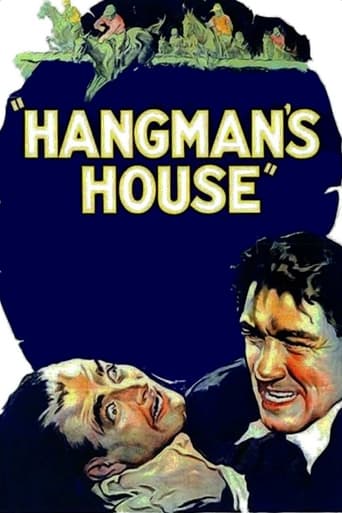
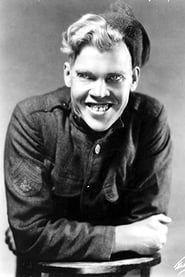
Jack Pennick
Actor
Born: December 8, 1895 in Muskogee, Oklahoma, USA Died: August 16, 1964 Active: 1926-1962 Birth Name: John Francis Pennick
Films
3 films
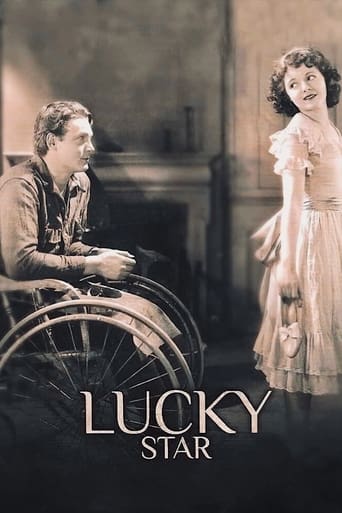
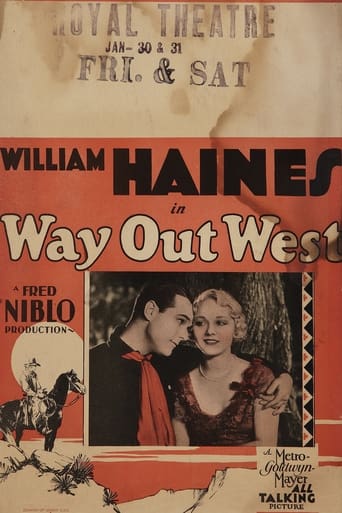
About Jack Pennick
American character actor: four decades of Hollywood cinema, beginning in the silent era and continuing through the Golden Age. Born in Oklahoma in 1895, Pennick served with distinction in the U.S. Marine Corps during World War I, where he was wounded in combat at Belleau Wood, an experience that would later inform his authentic portrayals of military men. His film career began in the mid-1920s with uncredited roles in silent films, gradually establishing himself as a reliable character actor known for his rugged demeanor and authoritative presence. Pennick became one of director John Ford's most trusted stock company members, appearing in over 20 Ford films across three decades, often as military figures, lawmen, or stern-faced authority characters. His most notable collaborations with Ford included 'Stagecoach' (1939), 'The Grapes of Wrath' (1940), 'They Were Expendable' (1945), 'The Searchers' (1956), and 'The Man Who Shot Liberty Valance' (1962). Beyond his work with Ford, Pennick appeared in more than 140 films for various studios, working with directors like Howard Hawks, William Wellman, and Raoul Walsh. His career concluded in the early 1960s, leaving behind a legacy as one of Hollywood's most recognizable and dependable character actors, particularly in Westerns and war films.
The Craft
On Screen
Pennick was known for his naturalistic, no-nonsense acting style that brought authenticity to his portrayals of military men, lawmen, and authority figures. His performances were characterized by a rugged demeanor, stern expressions, and a commanding presence that required minimal dialogue to convey authority. Having served in combat, Pennick brought genuine military bearing to his roles, making his portrayals of sergeants, captains, and other military figures particularly convincing. His acting was understated yet powerful, relying on physical presence and subtle facial expressions rather than theatrical gestures. Directors valued his reliability and ability to deliver consistent performances that supported the main narrative without drawing unnecessary attention.
Milestones
- Served in U.S. Marine Corps during World War I and was wounded at Belleau Wood
- Became a founding member of John Ford's stock company of actors
- Appeared in over 140 films during his 36-year career
- Played memorable roles in classic Westerns like 'The Searchers' and 'Stagecoach'
- Portrayed military figures with authentic authority in numerous war films
Best Known For
Iconic Roles
Must-See Films
Accolades
Special Recognition
- Purple Heart for wounds received in combat during World War I
- Marine Corps Good Conduct Medal
Working Relationships
Worked Often With
Studios
Why They Matter
Impact on Culture
Jack Pennick contributed significantly to the authentic portrayal of American military and frontier life in classic Hollywood cinema. As a key member of John Ford's stock company, he helped create the visual and thematic language of the American Western and war film genres. His authentic military bearing, derived from real combat experience, brought credibility to Hollywood's depictions of military life that influenced subsequent generations of filmmakers and actors. Pennick's consistent presence in Ford's films helped establish the ensemble style of character acting that became a hallmark of classic American cinema. His work exemplified how character actors could provide essential texture and authenticity to film narratives, supporting leading actors while creating memorable impressions that enhanced the overall quality of productions.
Lasting Legacy
Jack Pennick's legacy endures as one of Hollywood's most reliable and authentic character actors, particularly in the Western and war film genres. His collaborations with John Ford resulted in some of the most celebrated films in American cinema history, with Pennick's performances providing essential authenticity to these works. Film historians and cinema scholars recognize him as a quintessential example of the character actor who elevated films through consistent, professional performances without seeking stardom. His military service and subsequent film career created a template for how authentic life experience could translate to compelling screen performances. Pennick's work continues to be studied by actors and filmmakers interested in the craft of supporting performance and the importance of ensemble casting in creating cinematic classics.
Who They Inspired
Pennick influenced subsequent generations of character actors through his example of professional dedication and authenticity in performance. His naturalistic approach to portraying military personnel set a standard that influenced how such characters would be depicted in American cinema. Younger actors in the John Ford stock company learned from his example of bringing personal experience to bear on screen performances. His ability to convey authority and character through minimal dialogue and subtle physical presence demonstrated techniques that continue to be studied by actors today. Pennick's career illustrated how character actors could build substantial, respected careers without achieving leading man status, providing a model for performers who find their niche in supporting roles.
Off Screen
Jack Pennick was married and had children, though he maintained a relatively private personal life away from the Hollywood spotlight. His military service during World War I deeply influenced his character and later acting career, providing him with authentic experiences that informed his portrayals of military personnel. Despite his long and successful film career, Pennick never sought stardom and was content with his status as a respected character actor. He was known among his colleagues as a dependable professional who brought authenticity to every role, regardless of its size. In his later years, he continued working in films until his health declined, passing away in 1964 at the age of 68.
Education
Limited formal education; attended local schools in Muskogee, Oklahoma before enlisting in the military
Family
- Catherine Pennick (1920-1964)
Did You Know?
- Was wounded in combat at the Battle of Belleau Wood during World War I
- Appeared in more John Ford films than any other actor except John Wayne
- Often played characters with military or law enforcement backgrounds due to his authentic bearing
- Served as a technical advisor on military matters for several films
- His real first name was John, but he used Jack professionally
- Was a founding member of the John Ford stock company of actors
- Appeared in both silent and sound films, successfully transitioning between the two eras
- Often worked without on-screen billing in early films before becoming a recognizable character actor
- Served as a Marine Corps recruiter during World War II while continuing his film career
- His son Jack Pennick Jr. Also worked in the film industry as a production manager
In Their Own Words
On working with John Ford: 'The Duke could be tough, but he knew what he wanted. You just did it his way and it usually turned out right.'
On his military service: 'The Marines taught me discipline and how to take orders. That helped a lot in pictures.'
On his acting philosophy: 'I'm not a star, I'm a worker. I show up, know my lines, and do my job. That's what they pay me for.'
Frequently Asked Questions
Who was Jack Pennick?
Screen credits include over 140 films between 1926 and 1962, best known for his work in John Ford films and his authentic portrayals of military men and lawmen.
What films is Jack Pennick best known for?
Titles linked here include The Searchers (1956), Stagecoach (1939).
When was Jack Pennick born and when did he die?
Born December 8, 1895; died August 16, 1964.
What awards did Jack Pennick win?
While Jack Pennick didn't receive major film industry awards, he was honored with military decorations including the Purple Heart for wounds received during World War I combat at the Battle of Belleau Wood.
What was Jack Pennick's acting style?
Pennick was known for his naturalistic, understated acting style characterized by authentic military bearing, stern expressions, and a commanding presence that brought credibility to his roles as military men and authority figures.
How did Jack Pennick's military service influence his acting career?
Pennick's service as a U.S. Marine during World War I, where he was wounded at Belleau Wood, provided him with authentic military experience that made his portrayals of military personnel particularly convincing and sought after by directors.
What was Jack Pennick's relationship with director John Ford?
Pennick — key member of John Ford's stock company of actors, appearing in over 20 Ford films. Ford valued Pennick's reliability and authentic military bearing, casting him frequently in military and authority roles across three decades of collaboration.