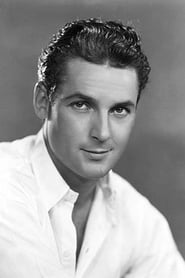
Charles Farrell
Actor
Born: August 9, 1900 in Onset, Massachusetts, USA Died: May 6, 1988 Active: 1923-1958
Films
10 films
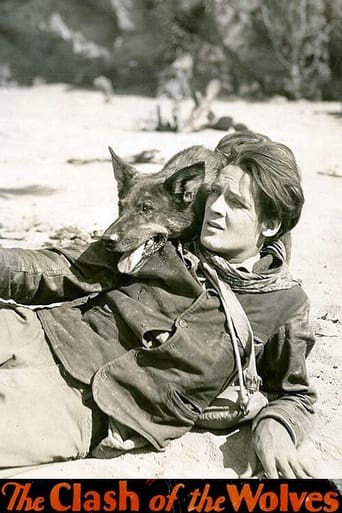
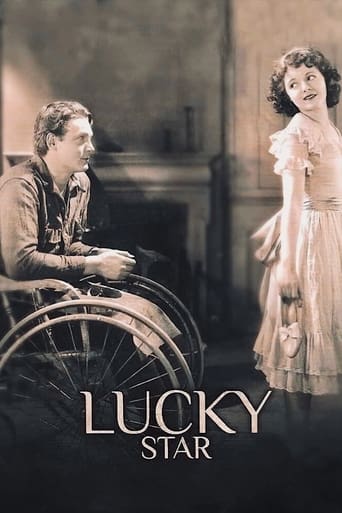
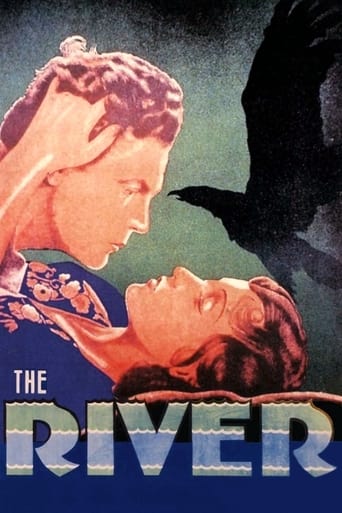
About Charles Farrell
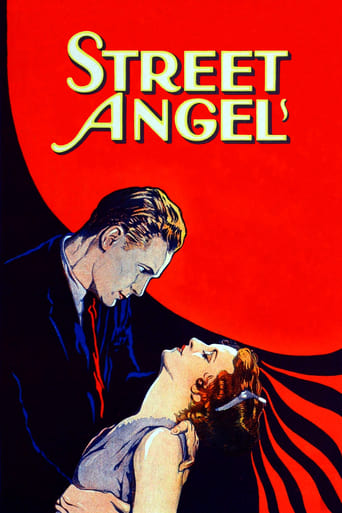
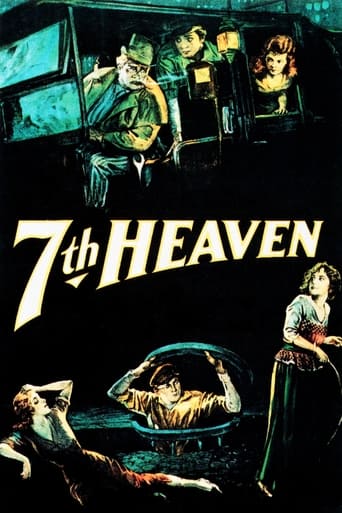
Charles Farrell was popular romantic leading men of the silent era, discovered while working as a stuntman and extra at Fox Studios. His career skyrocketed after being paired with Janet Gaynor in Frank Borzage's '7th Heaven' (1927), which became a massive critical and commercial success, earning multiple Academy Awards. Farrell and Gaynor became beloved romantic teams in Hollywood history, starring together in 12 films including 'Street Angel' (1928), 'Lucky Star' (1929), and 'The River' (1929). Unlike many silent stars, Farrell successfully transitioned to sound films in the early 1930s, though his popularity gradually waned as the decade progressed. After his film career diminished, he reinvented himself as a successful businessman and politician, becoming a pivotal figure in the development of Palm Springs, California. He served multiple terms as mayor of Palm Springs and was instrumental in transforming the desert city into a glamorous resort destination. Farrell remained married to actress Virginia Valli from 1926 until her death in 1968, and he continued to be respected in both the entertainment industry and civic circles until his death in 1988.
The Craft
On Screen
Charles Farrell was known for his sincere, earnest, and gentle screen presence that made him the perfect romantic leading man. His acting style was notably naturalistic for the silent era, relying on subtle expressions and authentic emotions rather than the exaggerated gestures common among his contemporaries. Farrell specialized in portraying working-class heroes and romantic idealists with a warmth and vulnerability that audiences found deeply appealing. His performances were characterized by a quiet intensity and emotional honesty that translated well to the intimacy of romantic dramas. In talkies, his pleasant voice and natural delivery further enhanced his reputation as a genuine, approachable leading man.
Milestones
- Breakthrough role in '7th Heaven' (1927)
- Formed legendary romantic team with Janet Gaynor
- Academy Award nomination for Best Actor
- Successful transition to sound films
- Served as Mayor of Palm Springs (1948-1954, 1958-1960)
- Star on Hollywood Walk of Fame
Best Known For
Iconic Roles
Must-See Films
Accolades
Won
- Academy Award nomination for Best Actor for '7th Heaven' (1927)
- Hollywood Walk of Fame star (1960)
- Golden Palm Star on Palm Springs Walk of Stars
Nominated
- Academy Award for Best Actor - '7th Heaven' (1927)
Special Recognition
- Hollywood Walk of Fame Star at 6529 Hollywood Blvd
- Golden Palm Star on Palm Springs Walk of Stars
- Multiple terms as Mayor of Palm Springs
Working Relationships
Worked Often With
Studios
Why They Matter
Impact on Culture
Charles Farrell significantly influenced the development of romantic cinema in the late silent era through his groundbreaking partnership with Janet Gaynor and director Frank Borzage. Their films helped establish a new, more naturalistic style of romantic storytelling that emphasized emotional authenticity over melodramatic excess. Farrell's success demonstrated that leading men could achieve stardom through sensitivity and vulnerability rather than traditional masculine bravado. His transition to sound films proved that silent stars could succeed in talkies with the right material and approach. Beyond cinema, Farrell's political career in Palm Springs helped transform the desert community into one of America's most glamorous resort destinations, bridging Hollywood glamour with civic leadership.
Lasting Legacy
Charles Farrell's legacy endures through his iconic performances in some of the most celebrated romantic films of the silent era, particularly '7th Heaven' and 'Street Angel.' His work with Janet Gaynor created a template for on-screen romantic chemistry that influenced generations of actors and filmmakers. As one of the few silent stars to successfully transition to sound and then reinvent himself in a completely different field, Farrell represents the possibilities of career evolution and personal reinvention. His contributions to Palm Springs' development have left a lasting physical and cultural mark on the city. In film history, he is remembered as a pioneer of naturalistic acting in romantic cinema and as a symbol of the elegant, sincere leading man of the 1920s.
Who They Inspired
Farrell influenced subsequent generations of romantic leading men by demonstrating the power of emotional authenticity and vulnerability on screen. His naturalistic acting style helped move romantic cinema away from theatrical gestures toward more subtle, realistic performances. His successful partnership with Janet Gaynor established a model for on-screen chemistry that many later romantic teams would emulate. His ability to transition from silent films to talkies provided a roadmap for other actors facing the technological revolution of sound. In his civic life, Farrell influenced how celebrities could leverage their fame for public service and community development, particularly in resort communities like Palm Springs.
Off Screen
Charles Farrell married fellow actress Virginia Valli in 1926, and their marriage lasted 42 years until her death in 1968. The couple was considered one of Hollywood's most stable relationships during their era. After Valli's death, Farrell never remarried. He had no children. Farrell was known for his business acumen and became deeply involved in Palm Springs civic affairs, where he was highly respected for his contributions to the city's development. He was a close friend of President Dwight D. Eisenhower and frequently hosted the president at his Palm Springs home. Farrell was also an accomplished athlete in his youth and maintained his physical fitness throughout his life.
Education
Attended local public schools in Onset, Massachusetts; no formal higher education recorded
Family
- Virginia Valli (1926-1968)
Did You Know?
- Was a talented baseball player who played semi-professional baseball before entering films
- Worked as a stuntman and extra before being discovered as an actor
- Was one of the few silent stars who successfully transitioned to sound films
- Owned the famous Racquet Club in Palm Springs with fellow actor Ralph Kiner
- Served three non-consecutive terms as Mayor of Palm Springs
- Was a close personal friend of President Dwight D. Eisenhower
- His films with Janet Gaynor earned over $12 million at the box office in the 1920s
- Was considered for the role of Rhett Butler in 'Gone with the Wind' (1939)
- Appeared in over 60 films during his career
- Was a skilled horseman and performed many of his own stunts in western films
- His home in Palm Springs was a popular gathering place for Hollywood celebrities
- Received a special citation from the City of Palm Springs for his civic contributions
In Their Own Words
Acting is not about being someone else, it's about finding the truth within yourself and sharing it with others.
The greatest reward of making pictures is not the money or the fame, but the knowledge that you've brought some happiness into people's lives.
Palm Springs wasn't just a place I lived; it was a community I helped build and a home I truly loved.
Working with Janet Gaynor was like finding the other half of yourself on screen - it was magic that couldn't be faked.
The transition from silent to sound wasn't as difficult as people think - if you could really act, you could really act, with or without words.
Frequently Asked Questions
Who was Charles Farrell?
Popular American with credits in this catalog. After his film career, he became a successful politician and served multiple terms as Mayor of Palm Springs, California.
What films is Charles Farrell best known for?
Titles linked here include 7th Heaven (1927), Street Angel (1928).
When was Charles Farrell born and when did he die?
Born August 9, 1900; died May 6, 1988.
What awards did Charles Farrell win?
Farrell received an Academy Award nomination for Best Actor for '7th Heaven' (1927) and earned a star on the Hollywood Walk of Fame. He also received a Golden Palm Star on the Palm Springs Walk of Stars for his civic contributions.
What was Charles Farrell's acting style?
Farrell was known for his naturalistic and sincere acting style, characterized by subtle expressions and emotional authenticity rather than the exaggerated gestures common in silent films. He specialized in portraying gentle, vulnerable romantic heroes with warmth and sensitivity.
How did Charles Farrell transition from films to politics?
After his film career declined in the mid-1930s, Farrell moved to Palm Springs and became involved in local business and civic affairs. His popularity and business success led to his election as Mayor of Palm Springs, where he served three terms and helped develop the city into a major resort destination.
What was Charles Farrell's relationship with Janet Gaynor?
Farrell and Janet Gaynor formed. Their on-screen chemistry was legendary, though their relationship was strictly professional. Gaynor described Farrell as 'the perfect screen partner' and their films were box office hits throughout the late 1920s.