

Street Angel
"Carnival lights over borrowed time"
Keys: Space play/pause · ←/→ 10s · F fullscreen · M mute · </> speed
About this film
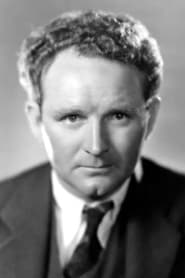
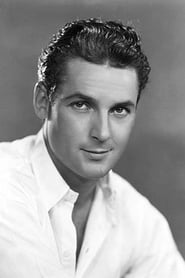
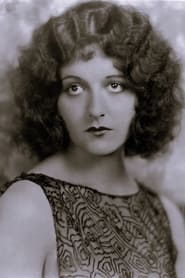
Angela, a poor woman in Naples, flees false murder charges and joins a traveling carnival, where she falls in love with Gino, a painter also hiding from the law. Frank Borzage directs Janet Gaynor and Charles Farrell in one of the last major Fox silent romances, shot with Movietone music and effects.
Cast & crew
More Drama films
View all →






More from Frank Borzage
View all →
More about this film
About the production
Release dateApril 7, 1928
Box officeUnknown - but was commercially successful, particularly for Janet Gaynor and Charles Farrell's popularity
ProductionFox Film Corporation
Filmed inFox Studios, Los Angeles, California, Constructed sets designed to resemble Naples, Italy
This was one of the last major silent films produced by Fox before the full transition to sound. The film was shot during the period when Hollywood was rapidly converting to talkies, making it part of the dying breed of silent masterpieces. Director Frank Borzage was known for his romantic visual style and ability to elicit subtle emotional performances from his actors.
Themes
Redemption through loveSpiritual transcendenceSocial outcasts and marginalized peopleThe transformative power of artInnocence corrupted by society
Themes & topics
prostitutioncarnivalfalse accusationon the runstar-crossed loversartistredemptionpovertytraveling showNaplesmurder accusationspiritual love
Historical background
Street Angel opened in April 1928 as Hollywood raced toward sound; it was among the final big silent romances from Fox. Gaynor's performance contributed to her first Academy Award, shared with 7th Heaven and Sunrise.
Why this film matters
'Street Angel' represents the pinnacle of silent romantic drama and stands as proof of the emotional power of visual storytelling. The film's success at the first Academy Awards helped establish the prestige of the new awards system and validated silent cinema as an art form even as sound was taking over. Janet Gaynor's historic win for Best Actress set an important precedent for recognizing nuanced, emotionally complex performances by women in cinema. The film's exploration of redemption through love and its sympathetic portrayal of society's outcasts reflected evolving social attitudes and contributed to the development of more sophisticated character-driven narratives in Hollywood. Borzage's spiritual approach to romance influenced countless subsequent filmmakers and helped establish the visual language of cinematic romance that would continue through the sound era. The preservation and restoration of the film has allowed modern audiences to appreciate the artistry of late silent cinema and understand why these films were considered so powerful in their time.
Making of
The production of 'Street Angel' occurred during a tumultuous period in Hollywood history as the industry was transitioning from silent films to talkies. Director Frank Borzage, known for his poetic and romantic visual sensibility, worked closely with cinematographer Ernest Palmer to create a luminous, dreamlike visual style that emphasized the spiritual nature of the lovers' bond. Janet Gaynor and Charles Farrell had already established tremendous chemistry from their previous collaborations, and Borzage encouraged them to develop their own intuitive understanding of their characters' emotional journey. The carnival sequences required extensive planning and coordination with actual circus performers, who were brought in to add authenticity to the traveling show setting. Despite the impending dominance of sound films, Fox invested significantly in the production, believing in the enduring power of visual storytelling and the star power of their leading couple.
What critics said
Reviewers in 1928 praised Borzage's luminous mood and Gaynor's expressiveness. Restored prints at MoMA and festival screenings have kept the picture central to discussions of late silent romantic cinema.
Did you know?
- Janet Gaynor won the first Academy Award for Best Actress for her performances in three films: 'Street Angel', '7th Heaven', and 'Sunrise: A Song of Two Humans'
- This was the seventh of twelve films that Janet Gaynor and Charles Farrell made together, establishing them as popular on-screen couples of the late silent era
- The film was simultaneously shot in a German version titled 'Die Straße' (The Street) with different actors but the same sets
- Director Frank Borzage won the first Academy Award for Best Director for '7th Heaven' the same year Gaynor won for 'Street Angel'
- The carnival sequences were filmed on elaborate sets that took weeks to construct, featuring actual circus performers
- Despite being a silent film, it was released with a synchronized musical score and sound effects using the Movietone system
- The film was considered quite daring for its time due to its frank portrayal of prostitution and poverty
- Only one complete print of the film is known to survive, though it has been preserved and restored by the Museum of Modern Art
- The Italian setting was entirely fictionalized and shot in California, as foreign location shooting was rare and expensive in the 1920s
- The film's success helped cement Fox Film Corporation's reputation for producing sophisticated romantic dramas
Awards & recognition
- Academy Award for Best Actress (Janet Gaynor) - First Academy Awards ceremony
- Academy Award for Best Cinematography (Ernest Palmer) - First Academy Awards ceremony
Visual style
Ernest Palmer's cinematography in 'Street Angel' exemplifies the artistic maturity of late silent film visual style. The film employs sophisticated lighting techniques, including dramatic use of shadows and soft focus to create a dreamlike, romantic atmosphere. Palmer utilized naturalistic lighting for the outdoor carnival sequences while employing more stylized, expressionistic lighting for the emotional interior scenes. The camera movement is fluid and purposeful, with Borzage and Palmer using tracking shots and carefully composed frames to enhance the emotional impact of key moments. The visual contrast between the gritty street scenes and the luminous romantic moments creates a powerful emotional dichotomy that reinforces the film's themes of redemption and spiritual love. The cinematography earned Palmer an Academy Award, recognizing his contribution to elevating silent film to an art form capable of conveying complex emotions through visual means alone.
Innovations
While 'Street Angel' was primarily a traditional silent film, it represented technical achievements in cinematography and set design. The film's elaborate carnival sequences required innovative camera techniques and lighting solutions to create the illusion of a traveling circus. The use of the Movietone system for synchronized music and sound effects, while not essential to the storytelling, demonstrated Fox's commitment to technical innovation during the transition to sound. The film's preservation and restoration have also involved significant technical challenges, requiring careful handling of the fragile nitrate film stock and digital restoration techniques to repair damage and enhance the surviving elements. The film's visual effects, while subtle by modern standards, were sophisticated for their time and included matte paintings and process photography to create the illusion of Italian locations.
Music
As a silent film, 'Street Angel' was originally presented with live musical accompaniment, typically performed by a theater organist or small orchestra. The Fox Movietone version included a synchronized musical score composed specifically for the film, though this synchronized version is now considered lost. The original musical score emphasized the emotional journey of the characters, with romantic themes for the love scenes and more dramatic, dissonant music for moments of conflict and danger. Modern restorations have been accompanied by newly composed scores that attempt to capture the spirit of the original while appealing to contemporary audiences. The music plays a crucial role in the film's emotional impact, helping to convey the inner states of the characters and heightening the romantic and dramatic elements of the story.
What audiences thought
Audiences in 1928 embraced 'Street Angel' enthusiastically, particularly fans of the popular Janet Gaynor-Charles Farrell pairing. The film's romantic themes and emotional storytelling resonated with viewers during a time of rapid social change and technological upheaval in the film industry. Many contemporary audience members reported being deeply moved by the film's emotional power, with some critics noting that viewers often wept openly during screenings. The film's success at the box office demonstrated that audiences were still hungry for quality silent entertainment even as talkies were becoming more prevalent. Modern audiences who have seen the film in revival screenings or through home video have often expressed surprise at how emotionally engaging the film remains, with many noting that the lack of dialogue actually enhances the universal quality of the love story.
Film connections
Influenced by
- German Expressionist cinema
- Italian neorealism (precursor)
- Victorian melodrama
- Religious allegory
- Romantic poetry
This film influenced
- City Lights
- A Man's Castle
- The Human Comedy
- Marty
- La Strada
- similarFilms
Where to watch
- Wikimedia Commons: https://commons.wikimedia.org/wiki/File:Street%20Angel%20(1928)%20by%20Frank%20Borzage.webm