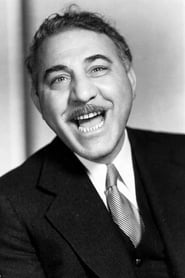
Henry Armetta
Actor
Born: July 21, 1888 in Palermo, Sicily, Italy Died: October 21, 1945 Active: 1915-1945 Birth Name: Enrico Armetta
Films
9 films


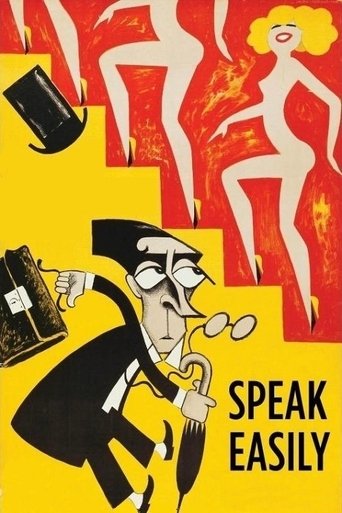

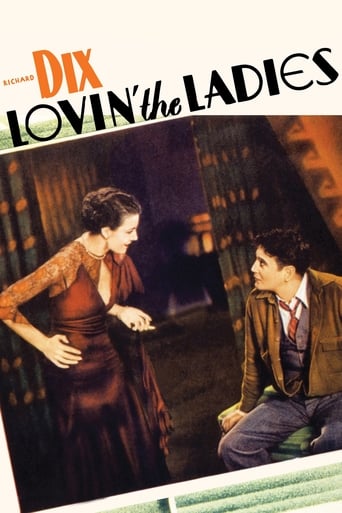
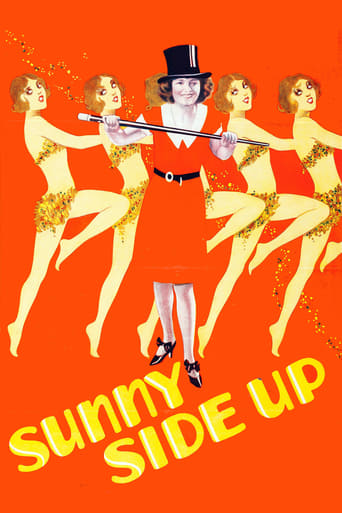
About Henry Armetta
Henry Armetta, born Enrico Armetta, was a prolific Italian-American character actor who became one of Hollywood's most recognizable ethnic supporting players during the transition from silent films to sound. After immigrating to the United States from Palermo, Sicily, in the early 1900s, he began his entertainment career in vaudeville before transitioning to films in 1915. Armetta specialized in portraying comical Italian characters, often as restaurant owners, fruit vendors, or passionate but lovable immigrants, becoming a staple in both silent and early sound productions. His thick accent and expressive face made him particularly valuable in talkies, where he could deliver his lines with authentic Mediterranean flavor. Throughout his career, he appeared in over 150 films, working with virtually every major studio in Hollywood and sharing the screen with the biggest stars of his era. Despite often being typecast, Armetta brought dignity and humor to his roles, avoiding the more offensive stereotypes that plagued many ethnic actors of his time. His three decades, from the silent era through the golden age of Hollywood, until his death in 1945.
The Craft
On Screen
Armetta developed a distinctive acting style characterized by his thick Italian accent, expressive facial gestures, and warm, comedic timing. He specialized in playing passionate, hot-tempered but ultimately good-hearted Italian characters, often bringing authenticity to ethnic roles that could easily become caricatures in less skilled hands. His physical comedy was subtle yet effective, using his stocky build and animated expressions to enhance his performances. Unlike many ethnic actors of his era, Armetta managed to maintain dignity in his roles while still delivering the comedy audiences expected, creating memorable characters that audiences could both laugh with and sympathize with.
Milestones
- Film debut in 'The Italian' (1915)
- Successful transition to sound films in late 1920s
- Appeared in over 150 films during 30-year career
- Became one of Hollywood's most recognizable Italian character actors
- Worked with major studios including MGM, Warner Bros., and Paramount
- Memorable role in 'A Farewell to Arms' (1932)
Best Known For
Iconic Roles
Must-See Films
Accolades
Special Recognition
- Hollywood Walk of Fame star (Motion Pictures) - 6625 Hollywood Blvd
Working Relationships
Worked Often With
Studios
Why They Matter
Impact on Culture
Henry Armetta played a significant role in shaping Hollywood's portrayal of Italian-Americans during the early decades of cinema. While often typecast in ethnic roles, he brought authenticity and humanity to characters that could easily have become one-dimensional stereotypes. His success demonstrated that ethnic actors could find steady work in Hollywood while maintaining cultural identity, paving the way for future generations of Italian-American performers. Armetta's presence in so many major films of the 1920s-1940s helped normalize Italian characters in American cinema, moving beyond the purely villainous or buffoonish portrayals that had been common in earlier years.
Lasting Legacy
Henry Armetta's legacy endures as one of Hollywood's most prolific and recognizable character actors of the studio era. With over 150 film appearances, he created a template for the ethnic character actor that would be followed by many performers in subsequent decades. His ability to transition successfully from silent films to talkies, where his accent became an asset rather than a liability, demonstrated the changing nature of film performance. Modern film historians recognize Armetta as an important figure in the representation of Italian-Americans in cinema, and his films continue to be studied for their insight into Hollywood's approach to ethnicity during the golden age.
Who They Inspired
Armetta influenced subsequent generations of ethnic character actors by demonstrating that it was possible to build a successful career playing culturally specific roles while maintaining dignity and avoiding offensive stereotypes. His naturalistic approach to ethnic characterization, combined with his genuine Italian heritage, set a standard that many later Italian-American actors would emulate. His success in both dramatic and comedic roles showed studios that ethnic actors could be versatile performers rather than limited to one type of characterization.
Off Screen
Henry Armetta married his wife, whose name is not widely documented, and they had several children together. He lived primarily in Los Angeles during his film career and was known as a family man who maintained close ties to the Italian-American community in Hollywood. Despite his success, he never forgot his immigrant roots and often helped other Italian actors find work in the film industry. His death in 1945 at age 57 cut short a still-productive career, leaving behind a legacy as one of Hollywood's most beloved character actors.
Education
Limited formal education in Italy; learned English after immigrating to the United States
Family
- Unknown (married until his death in 1945)
Did You Know?
- Born in Palermo, Sicily, the same city as legendary director Frank Capra's parents
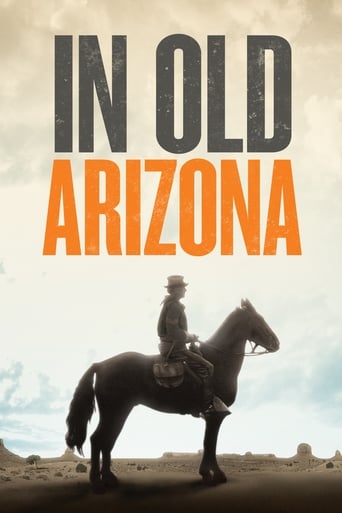
- Appeared in both the silent and sound versions of 'In Old Arizona' (1928)
- Was one of the few actors whose thick accent actually helped his career during the transition to sound
- Often played characters named Tony, reflecting the common Italian-American experience of name simplification
- Worked with virtually every major star of his era, from Clark Gable to Judy Garland
- Despite his heavy Italian accent, he was fluent in several languages
- His final film appearance was in 'The Sailor Takes a Wife' (1945), released shortly after his death
- Was a founding member of the Italian-American actors' support group in Hollywood
- Often served as an unofficial translator and cultural consultant for other actors playing Italian roles
- His Hollywood Walk of Fame star was dedicated in 1960, 15 years after his death
In Their Own Words
No documented famous quotes; his film dialogue was typically character-specific rather than memorable standalone lines
Frequently Asked Questions
Who was Henry Armetta?
Screen credits include over 150 films from 1915 to 1945, specializing in comical Italian roles during Hollywood's golden age. He successfully transitioned from silent films to talkies, where his thick accent became a valuable asset, making him.
What films is Henry Armetta best known for?
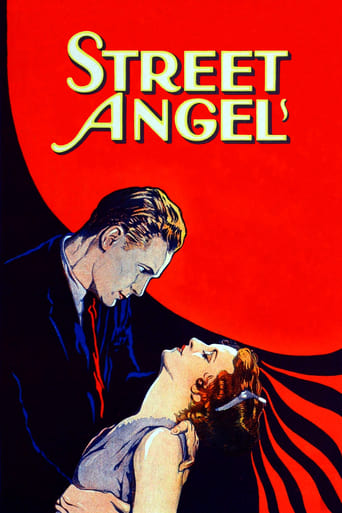
Titles linked here include In Old Arizona (1928), Street Angel (1928).
When was Henry Armetta born and when did he die?
Born July 21, 1888; died October 21, 1945.
What awards did Henry Armetta win?
While Henry Armetta did not receive major acting awards during his lifetime, he was posthumously honored with a star on the Hollywood Walk of Fame at 6625 Hollywood Boulevard for his contributions to motion pictures. His legacy lies in his prolific filmography rather than formal accolades.
What was Henry Armetta's acting style?
Armetta developed a distinctive style characterized by his expressive face, animated gestures, and authentic Italian accent. He specialized in playing passionate, comedic Italian characters with warmth and humanity, avoiding offensive stereotypes while delivering the entertainment audiences expected from ethnic character actors of his era.