
In Old Arizona
"Tonia wants the reward; the Cisco Kid wants trust."
Keys: Space play/pause · ←/→ 10s · F fullscreen · M mute · </> speed
About this film
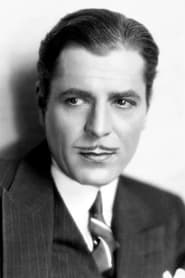
Army Sergeant Mickey Dunn pursues the Cisco Kid across the Arizona desert while the charming bandit showers loot on Tonia, never suspecting she is conspiring with Dunn to betray him for the reward. When the Kid rides back into danger, loyalty and greed collide in a desert showdown that made Warner Baxter's outlaw one of early sound cinema's most memorable rogues.
Cast & crew
More films like this
More Western films
View all →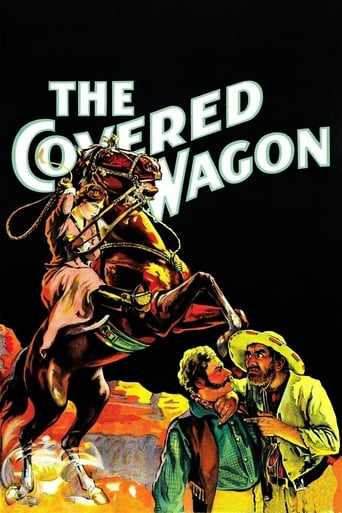

More from Irving Cummings
View all →


More about this film
About the production
Release dateJanuary 20, 1929
Budget$425,000
Box office$1.5 million
ProductionFox Film Corporation
Filmed inBryce Canyon, Utah, Yosemite National Park, California, Fox Studios, Los Angeles, California
Originally intended to be directed by Raoul Walsh, who was to star as the Cisco Kid, but Walsh was injured in a car accident while driving to location, losing his right eye. Irving Cummings stepped in as director and Warner Baxter replaced Walsh in the lead role. The film was one of the first sound films to be shot on location, presenting significant technical challenges for the audio equipment of the era. The production had to transport heavy sound recording equipment to remote desert locations, often requiring generators and special sound-proofing techniques to minimize wind noise.
Themes
Betrayal and DeceptionHonor Among ThievesLove vs. GreedJustice vs. LawThe Myth of the West
Themes & topics
WesternBanditLove TriangleBetrayalSound FilmArizonaArmy SergeantAmbushRewardOutdoor ShootingAnti-HeroO. Henry AdaptationMexican BanditDesertRomance
Historical background
Fox filmed the O. Henry adaptation outdoors in 1928 after Raoul Walsh was injured in a car accident, handing direction to Irving Cummings and the Cisco Kid role to Baxter.
Why this film matters
Among the first successful talkie Westerns shot on location, it proved outdoor sound recording viable and launched a long-running Cisco Kid franchise.
Making of
The production of 'In Old Arizona' was marked by dramatic circumstances and technical innovation. Originally, Raoul Walsh was set to both direct and star as the Cisco Kid, having already begun filming some scenes. However, tragedy struck when Walsh was involved in a serious car accident while traveling to the Utah location, resulting in the loss of his right eye and forcing him to withdraw from the project entirely. Irving Cummings was brought in as director, while Warner Baxter, who had been playing second lead, was promoted to the starring role. The technical challenges of recording sound on location were immense; the production team had to haul bulky, primitive audio equipment through rugged terrain, often dealing with wind, wildlife sounds, and other environmental obstacles that could ruin takes. Despite these challenges, the production succeeded in creating a naturalistic outdoor sound film that proved the viability of location shooting in the sound era.
What critics said
Baxter won the second Academy Award for Best Actor; critics praised the natural desert dialogue recording even as some acting retained silent-era theatricality.
Did you know?
- Warner Baxter won the Academy Award for Best Actor for his performance as the Cisco Kid, making it only the second year of the Oscars and establishing him as a major star.
- This was the first sound film to be shot primarily on location outdoors, revolutionizing film production techniques and proving that sound technology could work outside studio confines.
- The film was adapted from the short story 'The Caballero's Way' by O. Henry, which introduced the character of the Cisco Kid to American literature.
- Raoul Walsh was originally cast as the Cisco Kid and was set to direct, but a car accident en route to location filming resulted in him losing his right eye, forcing him to withdraw from the project.
- The Cisco Kid character would go on to appear in numerous films, radio shows, and television series, making him especially enduring Western characters in American popular culture.
- The film's success helped establish the 'talkie' Western as a viable genre, leading to a wave of sound Westerns in the early 1930s.
- Dorothy Burgess's performance as the treacherous Tonia was considered quite risqué for the time, with her character's manipulative sexuality pushing the boundaries of what was acceptable in mainstream cinema.
- The movie was originally intended to be a silent film but was converted to sound during production, reflecting the rapid transition happening in Hollywood during 1928-1929.
- The Cisco Kid's distinctive laugh and charming personality established the character as an anti-hero, a relatively new concept in American cinema at the time.
- The film's box office success helped save Fox Film Corporation from financial difficulties during the expensive transition to sound technology.
Awards & recognition
- Academy Award for Best Actor (Warner Baxter)
Visual style
The cinematography of 'In Old Arizona' was groundbreaking for its time, representing a successful marriage of location shooting with the new demands of sound recording. Director of Photography Arthur Edeson utilized the natural beauty of Bryce Canyon and Yosemite National Park to create stunning visual compositions that enhanced the Western setting while accommodating the technical constraints of early sound equipment. The camera work shows a transitional aesthetic, retaining some of the grandeur and sweeping movements of late silent cinema while adapting to the more static positioning required by primitive microphones. Edeson employed natural lighting to great effect, particularly in the desert scenes where the harsh sunlight created dramatic contrasts that emphasized the rugged landscape.
Innovations
'In Old Arizona' represents several major technical achievements in cinema history, most notably as one of the first successful sound films shot primarily on location. The production team overcame enormous challenges in recording clear dialogue in outdoor environments, developing innovative solutions for wind noise, microphone placement, and sound-proofing that would influence subsequent location filming. The film demonstrated that the bulky and fragile sound recording equipment of the era could be transported and operated in remote locations, expanding the creative possibilities for filmmakers. The synchronization of audio and visual elements in outdoor settings proved particularly challenging, requiring precise timing and coordination between actors, camera operators, and sound technicians.
Music
The musical score for 'In Old Arizona' was composed by R.H. Bassett, who created a soundtrack that blended traditional Western themes with the emerging conventions of early sound film scoring. The music incorporated Mexican and Spanish-influenced melodies appropriate to the Cisco Kid character, establishing a musical template that would influence countless subsequent Western films. As one of the early sound films, the movie utilized both diegetic music (music within the story) and non-diegetic scoring to enhance emotional impact and narrative development. The soundtrack featured several musical numbers performed by the cast, including songs that helped establish the Cisco Kid's charming personality and romantic nature.
Famous quotes
Cisco Kid: 'My friends call me the Cisco Kid. My enemies... well, they don't call me anything.'
Cisco Kid: 'I am not a bad man, but I am a bad hombre.'
Tonia: 'You spend your money on me, but where do you get it?' Cisco Kid: 'From those who have too much and those who have too little.'
Sergeant Dunn: 'The Cisco Kid is a menace to society. He must be stopped.'
Cisco Kid: 'A man who cannot trust a woman cannot trust himself.'
Memorable scenes
- The opening sequence where the Cisco Kid is introduced robbing a stagecoach with charm and wit, establishing his character as a gentleman bandit rather than a common criminal.
- The romantic scene between the Cisco Kid and Tonia where he showers her with gifts and declarations of love, oblivious to her treacherous nature.
- The tense confrontation between Sergeant Dunn and Tonia as they plot the ambush of the Cisco Kid, revealing their mutual attraction and shared greed.
- The climactic desert showdown where the Cisco Kid discovers the betrayal and outwits both his enemies in a dramatic display of cunning and marksmanship.
- The final scene where the Cisco Kid rides off into the sunset, having escaped his pursuers and left the treacherous couple to their fate, cementing his status as an enduring Western hero.
What audiences thought
Audiences embraced 'In Old Arizona' with enthusiasm, making it especially popular films of 1929 and a significant box office success for Fox Film Corporation. The combination of Western action, romance, and the novelty of clear outdoor sound recording proved irresistible to moviegoers hungry for the new 'talkie' experience. Warner Baxter's charismatic performance as the Cisco Kid resonated with viewers, making him an instant star and fan favorite. The film's success was particularly notable given that many early sound films had struggled to find audiences due to technical limitations and stilted dialogue. The Cisco Kid's charming roguery and the film's blend of humor, action, and romance appealed to a broad demographic, helping to establish the character as a beloved figure in popular culture.
Film connections
Influenced by
- The Caballero's Way (short story by O. Henry)
- The Iron Horse (1924 film)
- The Covered Wagon (1923 film)
- The Great Train Robbery (1903 film)
This film influenced
- The Cisco Kid (1931)
- The Return of the Cisco Kid (1939)
- The Cisco Kid and the Lady (1939)
- Viva Cisco Kid (1940)
- The Gay Caballero (1940)
- Romance of the Rio Grande (1941)
- The Cisco Kid Returns (1945)
- The Cisco Kid (TV series, 1950-1956)
Film restoration
The film is preserved in the Library of Congress and has been restored by 20th Century Fox. It was selected for preservation in the United States National Film Registry in 1996 for its cultural, historical, and aesthetic significance. The restoration process included cleaning and repairing the original film elements and improving the audio quality of the soundtrack. The film exists in its complete form and is available for viewing through various archival and commercial channels.
Where to watch
- The Criterion Channel
- TCM (Turner Classic Movies)
- Amazon Prime Video (for purchase or rental)
- Apple TV (for purchase or rental)
- Google Play Movies (for purchase or rental)
- YouTube Movies (for purchase or rental)
- DVD/Blu-ray from 20th Century Fox Home Entertainment