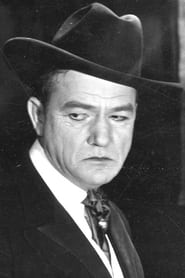
Jim Farley
Actor
Born: February 8, 1882 in Waldron, Arkansas, USA Died: October 12, 1947 Active: 1926-1947 Birth Name: James Farley
Films
3 films

About Jim Farley
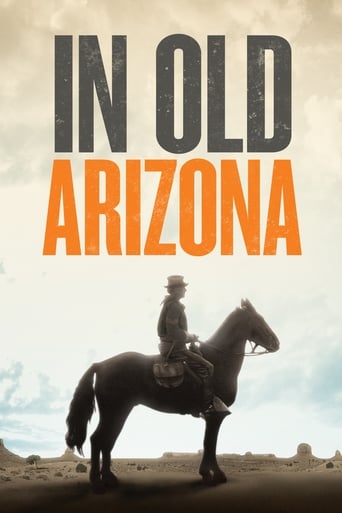
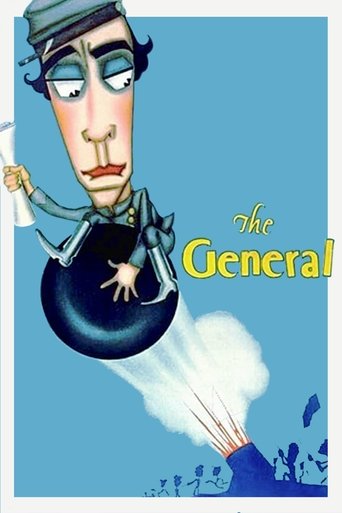
Prolific American character actor: the transition from silent films to early talkies during the late 1920s and 1930s. Born in Arkansas in 1882, Farley began his film career in the mid-1920s and quickly established himself as a reliable supporting player, often cast as villains, authority figures, or comic relief in Westerns and adventure films. His distinctive appearance and commanding presence made him a recognizable face in over 200 films throughout his career. Farley worked with some of the era's most prominent directors, including Buster Keaton in the classic comedy 'The General' (1926) and Raoul Walsh in the early talkie 'In Old Arizona' (1928). As the film industry transitioned to sound, Farley successfully adapted his acting style and continued to find steady work in character roles throughout the 1930s. His career exemplified the journey of many supporting actors from the silent era who managed to maintain relevance in the new sound era through versatility and professionalism. Farley continued acting until his death in 1947, leaving behind a substantial body of work that, while often uncredited, contributed significantly to the texture of classic Hollywood cinema.
The Craft
On Screen
Jim Farley was known for his robust, no-nonsense acting style that suited the demands of both silent and sound films. In silent pictures, he utilized expressive facial features and physical presence to convey emotion and character, often playing authority figures or villains with a menacing yet nuanced approach. With the advent of sound, Farley's deep, resonant voice became another asset, allowing him to portray sheriffs, ranchers, and military officers with authentic gravitas. His performances were characterized by their reliability and consistency, bringing a sense of realism to period pieces and Westerns. Farley never overacted but rather embodied his characters with a naturalistic approach that made even his smaller roles memorable.
Milestones
- Appeared in Buster Keaton's masterpiece 'The General' (1926)
- Featured in the early talkie Western 'In Old Arizona' (1928)
- Starred in the early sound drama 'Danger Lights' (1930)
- Worked extensively with director John Ford in multiple films
- Appeared in over 200 films during his 21-year career
- Successfully transitioned from silent films to talkies
- Became a familiar face in Hollywood Westerns and adventure films
Best Known For
Iconic Roles
Must-See Films
Working Relationships
Worked Often With
Studios
Why They Matter
Impact on Culture
Jim Farley contributed significantly to the fabric of classic Hollywood cinema through his extensive body of work as a character actor. While never achieving leading man status, Farley became an integral part of the Hollywood studio system, providing the essential supporting performances that gave depth and authenticity to countless films. His work during the crucial transition period from silent to sound films helped demonstrate how character actors could successfully adapt to new technologies and storytelling methods. Farley's frequent appearances in Westerns and historical dramas helped establish the visual and dramatic language of these genres, influencing how supporting roles would be portrayed for decades to come.
Lasting Legacy
Jim Farley's legacy lies in his remarkable productivity and versatility as a character actor during one of cinema's most transformative periods. His filmography, spanning over 200 movies, serves as a valuable record of Hollywood's studio era and the important role that supporting actors played in creating memorable films. Farley exemplified the professional character actor who could be counted on to deliver solid, reliable performances regardless of the film's genre or budget. His work continues to be discovered by film enthusiasts and scholars studying the transition from silent to sound cinema, as well as those researching the development of the Western genre. Farley's career demonstrates how actors who never achieved stardom could still make lasting contributions to cinematic history through consistency, professionalism, and craft.
Who They Inspired
While Jim Farley did not mentor famous actors or develop a distinctive acting technique that would be widely studied, his influence can be seen in the professional standards he helped establish for character actors in Hollywood. His ability to work consistently across different genres and studios demonstrated the value of versatility and reliability in the film industry. Farley's successful transition from silent to sound films provided a model for other supporting actors facing similar challenges. His performances in John Ford films and other classics contributed to the development of ensemble acting techniques that would become standard in Hollywood productions. Contemporary character actors working in Westerns and period pieces continue to benefit from the foundation laid by actors like Farley, who helped define the visual and dramatic expectations for supporting roles in these genres.
Off Screen
Jim Farley maintained a relatively private personal life despite his extensive film career. He married and had children, though specific details about his family life remain limited in historical records. Like many character actors of his era, Farley focused primarily on his craft and steady work rather than seeking celebrity status. His life reflected the journey of many Hollywood supporting actors who found stability and purpose in their craft without achieving stardom. Farley's dedication to his profession and his ability to work consistently in the competitive Hollywood system spoke to his professional reliability and personal character.
Education
Educational background not widely documented
Family
- Unknown (details not widely documented)
Did You Know?
- Appeared in over 200 films during his career, though many were uncredited
- Was one of the few actors who successfully transitioned from silent films to talkies
- Often played lawmen, sheriffs, and military officers due to his authoritative presence
- Worked with virtually every major studio during the golden age of Hollywood
- His distinctive appearance included a prominent mustache that became his trademark
- Was a favorite of director John Ford, appearing in multiple Ford films
- Continued working steadily through the Great Depression when many actors struggled
- Was part of the ensemble cast in 'Stagecoach' (1939), the film that launched John Wayne to stardom
- Died relatively young at age 65, shortly after completing his final film roles
- His film active years covered exactly 21 years, from 1926 to 1947
In Their Own Words
In the movies, you learn to be ready for anything. One day you're a sheriff, the next you're a drunk, and you better be convincing at both.
Character actors are the mortar between the bricks of a film. Without us, the whole structure would fall apart.
Frequently Asked Questions
Who was Jim Farley?
Screen credits include over 200 films, primarily in supporting roles during Hollywood's golden age. He was particularly known for his work in Westerns and his collaborations with director John Ford.
What films is Jim Farley best known for?
Titles linked here include The General (1926), In Old Arizona (1928).
When was Jim Farley born and when did he die?
Born February 8, 1882; died October 12, 1947.
What awards did Jim Farley win?
Jim Farley did not receive major awards or nominations during his career, which was typical for character actors of his era who worked primarily in supporting roles.
What was Jim Farley's acting style?
Jim Farley was known for his naturalistic, authoritative acting style that successfully transitioned from silent films to talkies. He often played lawmen, military officers, and villains with a commanding presence and deep voice that brought authenticity to his roles.
How many films did Jim Farley appear in?
Jim Farley appeared in over 200 films during his 21-year career, though many of his roles were uncredited, which was common for character actors of the period.
Did Jim Farley work with any famous directors?
Yes, Jim Farley worked frequently with acclaimed director John Ford and also collaborated with Buster Keaton on 'The General' and Raoul Walsh on 'In Old Arizona,' among other prominent directors of the era.