
Danger Lights
"Head railroad man Dan is as ugly as he is honorable"
Keys: Space play/pause · ←/→ 10s · F fullscreen · M mute · </> speed
About this film
Head railroad man Dan is as ugly as he is honorable. When he spots a drifter who'd hopped a freight held up by a landslide, Dan offers the man a job; then he finds the man was a railroader, too, and takes him under his wing. Engaged to Mary, Dan doesn't notice the growing attract
Cast & crew
More films like this
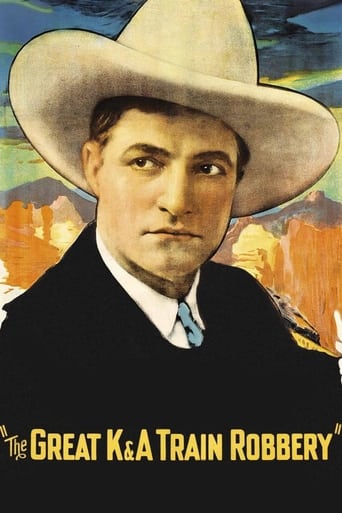
More Adventure films
View all →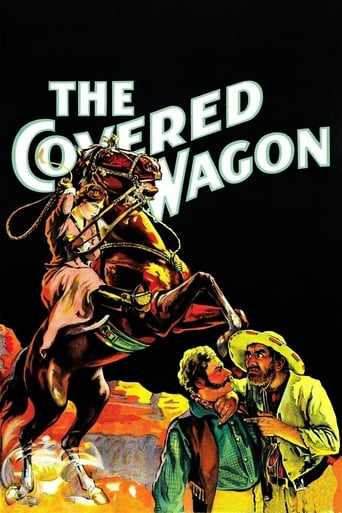

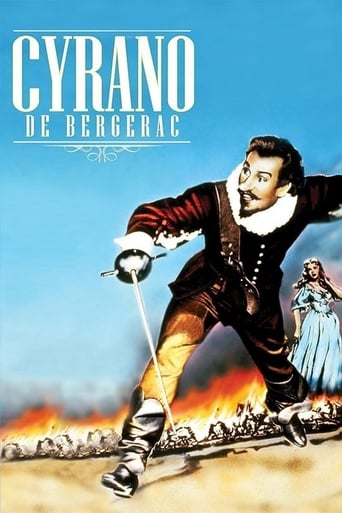
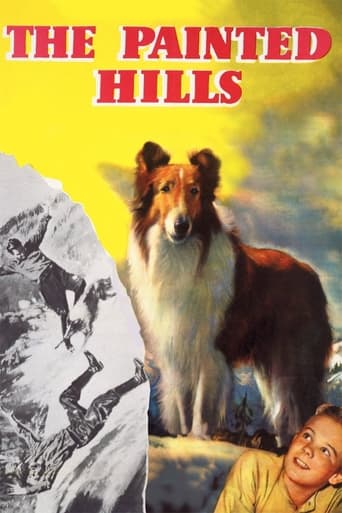
More from George B. Seitz
View all →
More about this film
About the production
Release dateOctober 25, 1930
ProductionRKO Radio Pictures
Filmed inRKO Studios, Hollywood, California
Danger Lights was produced during the challenging transition from silent to sound films, requiring innovative recording techniques for the outdoor railroad sequences. The production team constructed elaborate railroad sets and used actual railroad equipment to achieve authenticity. The dangerous nature of some railroad scenes required careful coordination between cast and crew, with rudimentary safety precautions by modern standards. Director George B. Seitz had to balance the technical demands of early sound recording with dynamic action sequences involving trains and railroad work.
Themes
Honor and duty in the workplaceThe dignity of manual laborLoyalty and betrayal in male friendshipsLove triangles and romantic rivalrySacrifice and heroism
Themes & topics
railroadlove triangleworkplace dramaaccidentheroismloyaltybetrayaldangersacrificehonorforemandrifterfiancéemountain railroadindustrial accident
Historical background
Released in 1930 during the early sound era, Danger Lights reached audiences when exhibitors were still defining programming conventions. The narrative hook—Head railroad man Dan is as ugly as he is honorable—reflects what contemporary producers thought would draw viewers.
Why this film matters
Danger Lights remains discussed by archivists tracing how screen stories of its period represented work, desire, conflict, and social order. Its central situation—Head railroad man Dan is as ugly as he is honorable—still prompts questions about genre conventions and audience expectations.
Making of
The production of 'Danger Lights' faced numerous challenges common to early sound films, particularly in recording clear dialogue amid the noisy railroad environments. The sound department developed innovative techniques to capture authentic train sounds while preserving speech clarity, sometimes requiring actors to stand in specific positions relative to microphones hidden among the railroad equipment. Director George B. Seitz, who had extensive experience directing silent films, had to adapt his visual style to accommodate the technical limitations of sound recording, which restricted camera movement. The cast underwent intensive preparation for their roles, with Louis Wolheim drawing on his own working-class background to create an authentic portrayal of the railroad foreman. The dangerous-looking railroad sequences were achieved through careful choreography and the use of professional railroad consultants to ensure both realism and safety, though by modern standards the precautions would be considered inadequate.
What critics said
Trade and newspaper notices for Danger Lights generally emphasized casting, spectacle, and program fit rather than extended aesthetic argument. Retrospective screenings and archival notes continue to shape how viewers evaluate Danger Lights today.
Did you know?
- Louis Wolheim, who played Dan, died unexpectedly in February 1931, just months after this film's release, making it one of his final performances
- The film featured extensive railroad footage that was considered technically impressive for its time, especially with sound recording challenges
- Jean Arthur was still early in her career when she appeared in this film, before becoming a major star in screwball comedies of the late 1930s
- Director George B. Seitz would later become famous for directing many of the Andy Hardy films starring Mickey Rooney
- Robert Armstrong, who played Larry Doyle, would later star as Carl Denham in the classic 'King Kong' (1933)
- The film was one of the first to focus specifically on the lives and work of railroad workers, a profession rarely depicted in detail in cinema
- The railroad scenes were so realistic that some contemporary reviewers questioned whether the actors had actually performed the dangerous stunts themselves
- As an early sound film, it was shot using the cumbersome sound-on-disc technology rather than the more advanced sound-on-film method
- The film's title refers to the warning signals used on railways to indicate danger ahead
- Production had to be carefully scheduled around the noise limitations of early sound recording equipment, which couldn't easily filter out ambient railroad sounds
Visual style
The cinematography of Danger Lights was notable for its effective use of camera movement and composition to convey the scale and danger of railroad operations, despite the technical limitations imposed by early sound recording equipment. The film employed tracking shots that followed trains along the tracks, creating a sense of motion and excitement that enhanced the dramatic impact of the railroad sequences. The lighting design emphasized the harsh conditions of railroad work, with strong contrasts between bright outdoor scenes and darker interior shots that reflected the dual nature of the characters' lives. The cinematographer had to work with bulky sound recording apparatus that restricted camera movement, requiring innovative approaches to visual storytelling that maintained visual interest despite these constraints. The railroad sequences featured impressive long shots that showcased the machinery and landscape, establishing the epic scale of the work while intimate moments between characters were framed with appropriate emotional emphasis. The visual style successfully balanced the documentary-like realism of the railroad scenes with the more conventional Hollywood approach to the romantic elements of the story.
Innovations
Danger Lights showcased several technical innovations for its time, particularly in the realm of sound recording for outdoor action sequences involving noisy machinery. The film's production team developed methods to capture clear dialogue and sound effects amid the ambient noise of railroad operations, a significant challenge for early sound equipment that was designed primarily for studio use. The use of actual railroad equipment and settings required innovative approaches to lighting and camera placement to accommodate the bulky sound recording apparatus of the era. The film demonstrated effective techniques for combining location sound with studio-recorded elements, creating a seamless audio experience that enhanced rather than distracted from the dramatic action. The railroad sequences featured impressive coordination between multiple technical departments to achieve realistic and dangerous-looking action while maintaining safety standards appropriate to the period. These technical achievements contributed to the film's reputation as a well-produced example of early sound cinema and helped establish practices that would become standard in subsequent action films shot on location.
Music
As an early sound film, Danger Lights featured a synchronized musical score that accompanied the action and dialogue, typical of RKO productions from this period. The musical score consisted of orchestral pieces designed to enhance emotional moments and provide continuity during scene transitions, with themes that underscored the romantic tension and the dangerous nature of the railroad work. The film's soundtrack was particularly notable for its use of authentic railroad sounds, including train whistles, engine noises, track sounds, and ambient industrial noise. These sound effects were recorded on location and synchronized with the visual elements, creating a more immersive experience for audiences that was still novel in 1930. The dialogue recording was considered advanced for its time, with clear audio quality even in challenging outdoor environments, representing a significant technical achievement for the period. In some theaters during initial releases, the musical score would have been supplemented by live musicians, as was common practice for early sound films that had variable sound reproduction quality across different venues.
Famous quotes
A man's got to be bigger than his job, not smaller than it.
The railroad doesn't wait for nobody. When the whistle blows, you move.
There's two kinds of danger on this line: the kind you can see and the kind you can't.
Memorable scenes
- The dramatic opening landslide sequence that blocks the railroad and establishes the dangerous working conditions
- The tense scene where Dan first discovers Larry hiding among the freight cars and offers him a job
- The hazardous railroad repair sequences showing workers risking their lives to clear the tracks
- The pivotal accident scene where a train derailment tests the loyalty and courage of all three main characters
- The final confrontation where Dan must choose between his personal pride and his professional duty to his crew
What audiences thought
Audiences in 1930 responded positively to Danger Lights, particularly appreciating its realistic depiction of railroad work and the dramatic tension of its action sequences. The film performed respectably at the box office, especially in smaller towns and railroad communities where the subject matter had particular resonance. The themes of honor, loyalty, and sacrifice struck a chord with viewers during the early years of the Great Depression, offering a vision of workplace solidarity and mutual responsibility that contrasted with the economic uncertainty many were experiencing. The love triangle element provided additional dramatic interest that appealed to mainstream audiences, particularly women who were becoming an increasingly important demographic for film exhibitors. The technical achievement of recording clear dialogue and sound effects in challenging outdoor railroad environments was noted and appreciated by contemporary viewers, many of whom were still marveling at the novelty of sound pictures. While not a blockbuster hit, the film's commercial success helped demonstrate that audiences would accept and even demand more realistic and technically sophisticated sound productions.
Film connections
Influenced by
- Silent era railroad melodramas
- Workplace dramas of the 1920s
- American literary traditions of working-class heroes
- Theatrical conventions of love triangle narratives
This film influenced
- Union Pacific (1939)
- Emperor of the North (1973)
- The Hurricane Express (1932)
- Subsequent workplace action films of the 1930s
Film restoration
Danger Lights is believed to survive in film archives, though it has not received a full restoration or commercial release in modern formats. As an RKO production from 1930, the film would likely be held by film preservation institutions or in the Turner/Warner archives, which control much of the RKO library. The film's limited availability for viewing suggests it may not have been prioritized for preservation efforts compared to more famous titles from the period. Some elements of the film, particularly the soundtrack, may have deteriorated over time, as was common with early sound recordings. The film exists in 35mm format, but there is no evidence of a digital restoration or high-quality transfer having been completed for home video or streaming release.
Where to watch
- Occasionally airs on Turner Classic Movies during their early sound film programming
- Available through some classic film streaming services with limited availability
- May be viewed at film archives and specialized cinematheques that preserve RKO titles
- Sometimes screened at classic film festivals featuring early sound cinema
- Accessible through university film collections and academic institutions