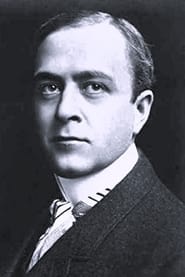
Robert Edeson
Actor
Born: June 3, 1868 in New Orleans, Louisiana, USA Died: March 24, 1931 Active: 1880s-1931 (Stage: 1880s-1910s, Film: 1914-1930)
Films
8 films

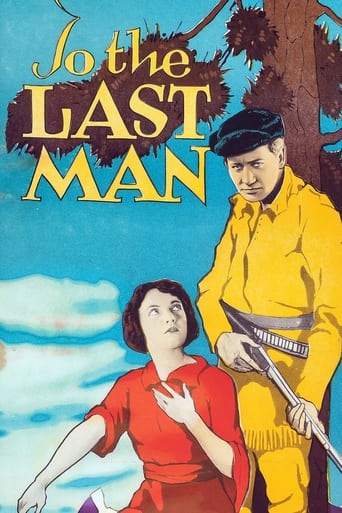
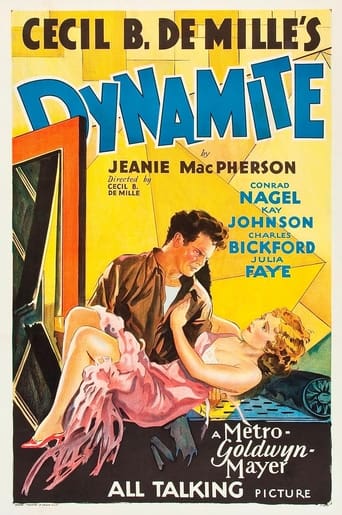
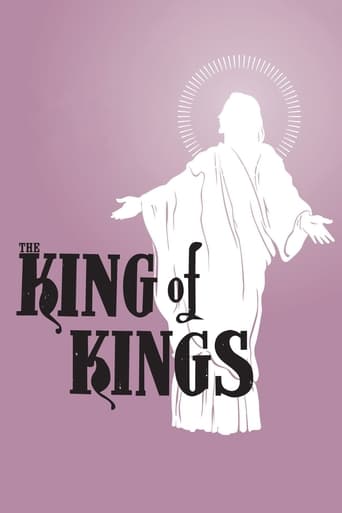
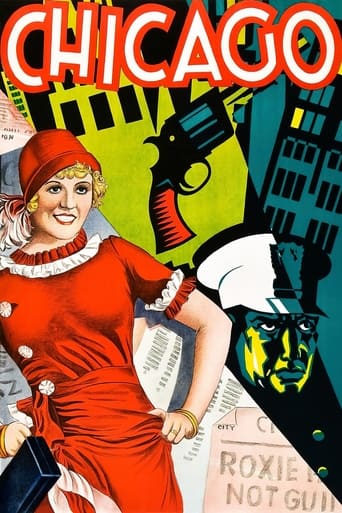
About Robert Edeson
American actor who successfully transitioned from a prominent stage career to become a respected character actor during the silent film era and early sound period. Born in New Orleans in 1868, he began his theatrical career in the 1880s, establishing himself as a formidable stage performer before making his film debut in the early 1910s. His commanding presence, classical training, and dignified bearing made him particularly well-suited for authoritative and aristocratic roles in both mediums. Edeson appeared in over 100 films between 1914 and 1930, working with major directors like Cecil B. DeMille and appearing in prestigious productions such as 'The King of Kings' (1927). Unlike many silent film stars, Edeson successfully made the transition to talkies thanks to his excellent diction and stage-honed vocal skills. His the pivotal transformation of American cinema from silent spectacles to sound films, making him a bridge between two distinct eras of filmmaking. He continued acting until his death in 1931, leaving behind a legacy of versatile performances across both stage and screen.
The Craft
On Screen
Edeson's acting style was rooted in classical stage training, characterized by dignified, authoritative performances and excellent diction. He brought theatrical gravitas to his film roles, excelling at playing aristocrats, authority figures, and characters of high social standing. His stage background gave him a commanding presence and clear enunciation that proved invaluable during the transition to sound films. Unlike many silent actors who struggled with talkies, Edeson's theatrical training and vocal technique allowed him to adapt seamlessly to the new medium.
Milestones
- Successful transition from Broadway stage to silent films
- Over 100 film appearances during silent era
- Key role in Cecil B. DeMille's 'The King of Kings' (1927)
- Successful transition to talkies in early sound era
- Member of the original cast of 'The Prisoner of Zenda' stage production
- Worked with major studios including Paramount, Fox, and MGM
Best Known For
Iconic Roles
Must-See Films
Accolades
Special Recognition
- Recognized as one of the stage actors who successfully transitioned to film
- Remembered for his contributions to early cinema and the preservation of theatrical acting techniques in film
Working Relationships
Worked Often With
Studios
Why They Matter
Impact on Culture
Robert Edeson represented the important bridge between 19th-century theatrical traditions and 20th-century cinema. His successful career demonstrated how classical stage training could enhance film performances, particularly during the challenging transition from silent to sound films. As one of the respected stage actors who embraced cinema, he helped legitimize film acting as a serious artistic endeavor. His work in religious epics like 'The King of Kings' contributed to the development of the prestige film format that would become a Hollywood staple.
Lasting Legacy
Robert Edeson's legacy lies in his embodiment of the theatrical tradition's contribution to early cinema. He exemplified how stage actors could successfully adapt their craft for the camera, maintaining artistic integrity while embracing new technologies. His active years covered the most transformative period in film history, from the early silent era through the advent of sound. While not as widely remembered as some of his contemporaries, his consistent work ethic and professional adaptability made him a respected figure in both theatrical and cinematic circles. His ability to transition between mediums serves as an example of artistic versatility during a period of rapid technological change in entertainment.
Who They Inspired
Edeson influenced younger actors by demonstrating how classical training could enhance film performances, particularly in the areas of diction, presence, and character development. His successful transition to talkies provided a model for other silent film actors facing the challenges of sound cinema. His work with major directors helped establish standards for professional conduct on film sets, drawing from theatrical traditions of discipline and preparation.
Off Screen
Robert Edeson married actress Eleanor Kent in 1899, and their marriage lasted until his death in 1931. The couple had no children. Edeson was known for maintaining a relatively private personal life despite his public career. He was respected in theatrical circles for his professionalism and dedication to his craft. His marriage to Eleanor Kent, also a performer, reflected the common practice of theatrical families during that era.
Education
Classical theatrical training (specific institutions not documented, but typical formal stage training of the 1880s era)
Family
- Eleanor Kent (1899-1931)
Did You Know?
- Began his stage career in the 1880s, making him part of the old theatrical guard
- Was one of the few silent film actors who successfully transitioned to talkies due to his stage training
- Appeared in both stage and film versions of 'The Prisoner of Zenda'
- His active years covered the entire silent era and the beginning of sound films
- Was known for his distinctive, authoritative voice which served him well in talkies
- Worked with director Cecil B. DeMille on multiple occasions
- Maintained a successful marriage to fellow actress Eleanor Kent for over 30 years
- Was considered a 'character actor' before the term was commonly used in film
- His stage background gave him an advantage in the early sound era when many silent stars struggled
- Appeared in over 100 films despite starting his film career relatively late in life
In Their Own Words
The stage teaches you discipline that the camera cannot ignore.
Transitioning from silence to sound is not about volume, but about clarity of expression.
Frequently Asked Questions
Who was Robert Edeson?
American with credits in this catalog. He began as a stage actor in the 1880s before transitioning to silent films and successfully adapting to talkies, appearing in over 100 films between 1914 and 1930.
What films is Robert Edeson best known for?
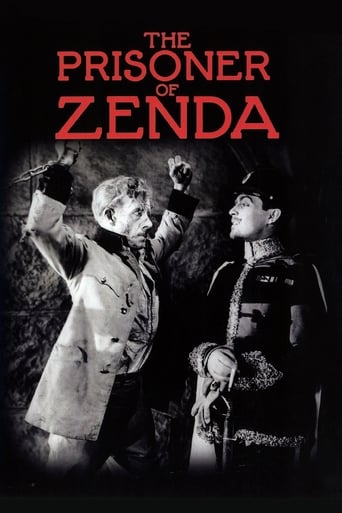
Titles linked here include The King of Kings (1927), The Prisoner of Zenda (1922).
When was Robert Edeson born and when did he die?
Born June 3, 1868; died March 24, 1931.
What awards did Robert Edeson win?
Robert Edeson did not receive major formal awards during his career, as many modern film awards were not established during his active period. However, he was recognized within the industry for his professional contributions and successful career transitions.
What was Robert Edeson's acting style?
Edeson's acting style was rooted in classical stage training, characterized by dignified, authoritative performances and excellent diction. He excelled at playing aristocratic and authoritative characters, and his theatrical background gave him an advantage during the transition to sound films.