


Dynamite
"Commit pays provide little."
Keys: Space play/pause · ←/→ 10s · F fullscreen · M mute · </> speed
About this film
The threesome is terribly modern about the situation, and Marcia will gladly divorce Roger if Cynthia agrees to a financial settlement. To satisfy that condition, Cynthia arranges to marry Hagon Derk, who is condemned to die for a crime he didn't commit. She pays him so he can provide for his little sister.
Cast & crew
More Drama films
View all →






More from Cecil B. DeMille
View all →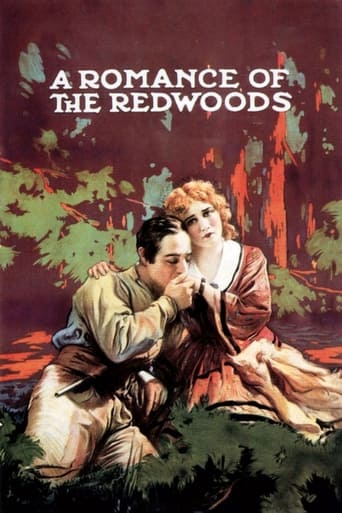
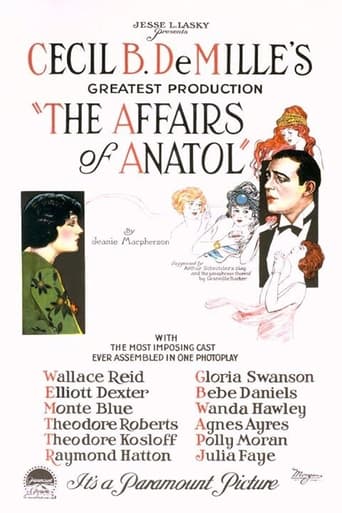


More about this film
About the production
Release dateOctober 19, 1929
Budget$825,000
Box office$1,200,000 (domestic)
ProductionMetro-Goldwyn-Mayer (MGM), Cecil B. DeMille Productions
Filmed inMGM Studios, Culver City, California, San Quentin State Prison, California (exteriors)
Dynamite was one of Cecil B. DeMille's first all-talking pictures, filmed during the challenging transition from silent to sound cinema. The production utilized early sound recording equipment that was cumbersome and restrictive for actors' movements. DeMille, known for his elaborate productions, had to adapt his directing style to accommodate the technical limitations of early sound recording. The prison scenes were particularly challenging to film with sound equipment, requiring innovative microphone placement. The film featured both synchronized dialogue and musical sequences, showcasing MGM's commitment to the new sound technology.
Themes
Financial independence and powerThe commodification of marriageRedemption and second chancesClass differences and social mobilityThe conflict between passion and practicality
Themes & topics
love trianglemarriage of conveniencewrongful imprisonmentfinancial desperationdivorcetrust fundexecutionredemptionsocial classmodern womanarranged marriagelast-minute reprieve
Historical background
Viewers around 1929 encountered Dynamite in a market learning how screen stories could carry social themes as well as spectacle.
Why this film matters
Archivists revisit Dynamite (1929) for performance styles and craft choices that later releases refined or replaced.
Making of
The production of Dynamite was fraught with the typical challenges of early sound filming. Actors were confined to small areas around hidden microphones, limiting DeMille's trademark sweeping camera movements. The director famously complained about the restrictions but adapted by focusing more on intimate close-ups and dialogue-driven scenes. The prison sequence required special soundproofing to eliminate echo, and the execution chamber scene was filmed in a specially constructed set. DeMille clashed with MGM executives over the film's adult themes and controversial subject matter, but ultimately won most battles due to his star power. The film's score was composed by William Axt and included several original songs performed on screen, a novelty in early talkies.
What critics said
Modern retrospectives screen Dynamite for craft context—pacing, performance, and camera choices of 1929.
Did you know?
- This was Cecil B. DeMille's first all-talking film, though he had previously made part-talkies
- Kay Johnson made her film debut in this movie and married director John Cromwell the same year
- The film was originally conceived as a silent picture but was converted to sound during production
- Charles Bickford was reportedly difficult on set, often clashing with DeMille over his character's motivations
- The prison execution sequence was considered unusually graphic and realistic for its time
- DeMille paid $25,000 for the film rights to the story, a substantial sum in 1929
- The film's title 'Dynamite' refers both to explosive situations and the literal dynamite used in the story
- MGM marketed the film heavily as 'DeMille's First All-Talking Masterpiece'
- The movie was released just weeks before the stock market crash of 1929, affecting its box office performance
- Conrad Nagel was one of the few silent stars who successfully transitioned to talkies
Awards & recognition
- Academy Award for Best Writing (Original Story) - Howard Estabrook (WINNER)
- Academy Award for Best Art Direction (WINNER)
Visual style
The cinematography by Harold Rosson and Peverell Marley demonstrated the challenges and innovations of early sound filming. The camera work was necessarily more static than in DeMille's silent epics due to microphone placement restrictions, but the cinematographers compensated with creative lighting and composition. The prison sequences utilized dramatic high-contrast lighting to create a somber, oppressive atmosphere. The film employed extensive close-ups to take advantage of the new sound technology and capture the actors' performances. The execution chamber scene featured particularly innovative use of shadows and camera angles to build tension while working within sound recording limitations.
Innovations
Dynamite showcased several technical innovations in early sound cinema. The film utilized the Western Electric sound-on-disc system, which was considered state-of-the-art in 1929. The production team developed innovative microphone concealment techniques to allow for more natural actor movement. The prison execution sequence featured synchronized sound effects that were remarkably realistic for the period. The film's sound mixing demonstrated early sophistication in balancing dialogue, music, and effects. MGM invested heavily in soundproofing sets and developing directional microphones to improve audio quality. The technical achievements of Dynamite helped establish standards for sound recording in dramatic films.
Music
The musical score for Dynamite was composed by William Axt, one of MGM's top composers during the transition to sound. The film featured both background music and several musical numbers performed on screen by the characters. The soundtrack included original songs such as 'Dynamite' and 'You're the One for Me,' which were published as sheet music to promote the film. The score utilized the full capabilities of the early sound system, with synchronized sound effects and dialogue. The prison scenes featured minimal music to enhance the dramatic tension, while the romantic scenes were accompanied by lush orchestral arrangements typical of late 1920s melodramas.
What audiences thought
Audiences in 1929 responded positively to Dynamite's dramatic story and the novelty of hearing their favorite stars speak. The film's adult themes and sophisticated plot appealed to urban audiences seeking more mature entertainment options. Despite opening strongly, the film's box office performance was ultimately affected by the stock market crash that occurred shortly after its release. However, it still managed to turn a profit for MGM and cemented DeMille's reputation as a director who could successfully navigate the transition to sound. The film's success helped prove that dramatic, non-musical talkies could be commercially viable, encouraging other studios to invest in similar productions.
Film connections
Influenced by
- The Jazz Age culture of the 1920s
- Early sound film techniques from 'The Jazz Singer' (1927)
- Broadway melodramas of the 1920s
- DeMille's own silent epics and moral tales
- Contemporary newspaper stories about wrongful convictions
This film influenced
- Madam Satan
- also by DeMille)
- The Divorcee
- Other Men's Women
- The Story of Temple Drake
- similarFilms
Where to watch
- Wikimedia Commons: https://commons.wikimedia.org/wiki/File:Dynamite%20(version%20A).webm