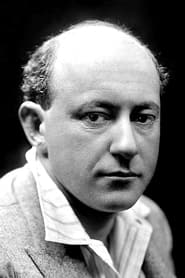
Cecil B. DeMille
Actor & Director
Born: August 12, 1881 in Ashfield, Massachusetts, USA Died: January 21, 1959 Active: 1913-1958 Birth Name: Cecil Blount DeMille
Films
30 films
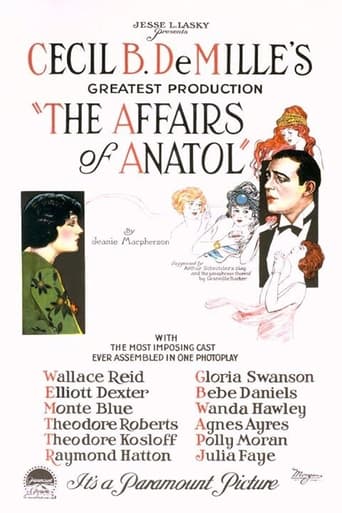
The Affairs of Anatol
1921
Joan the Woman
1916
Male and Female
1919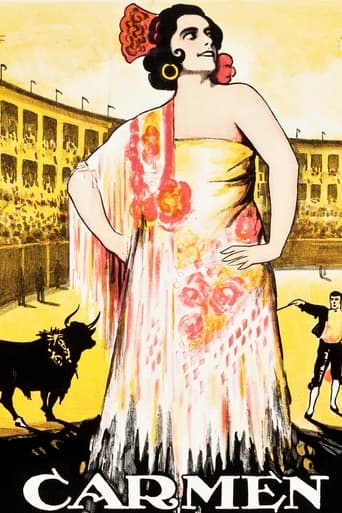
Carmen
1915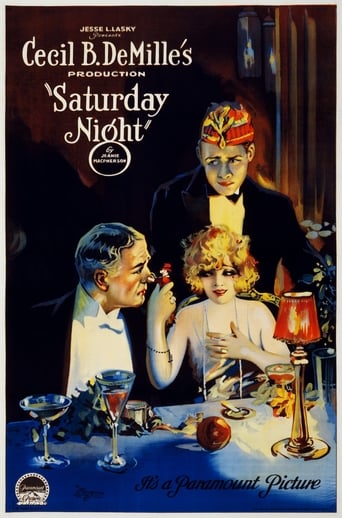
Saturday Night
1922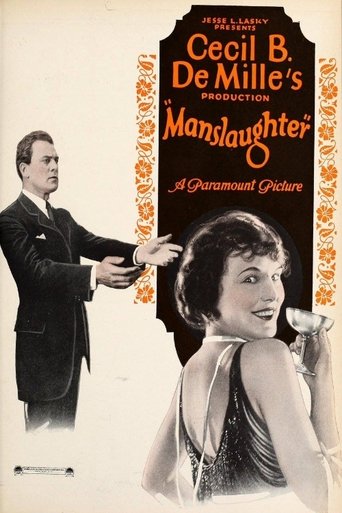
Manslaughter
1922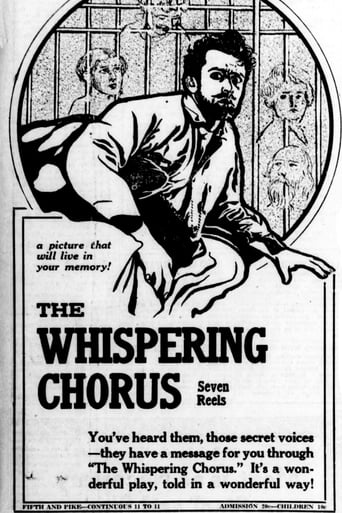
The Whispering Chorus
1918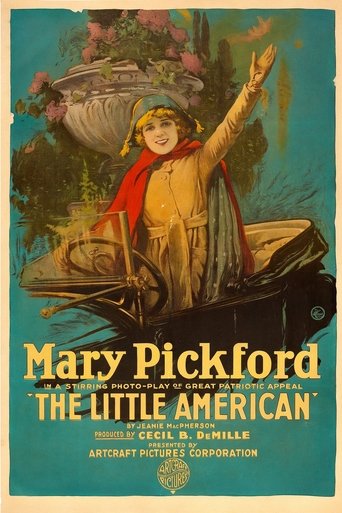
The Little American
1917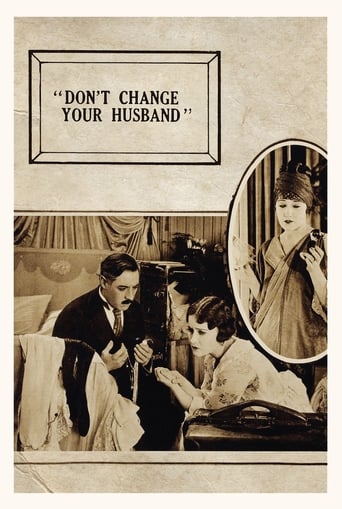
Don't Change Your Husband
1919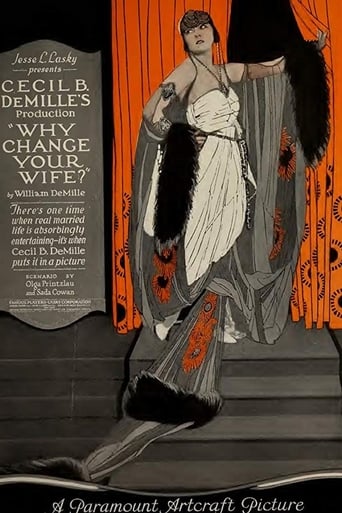
Why Change Your Wife?
1920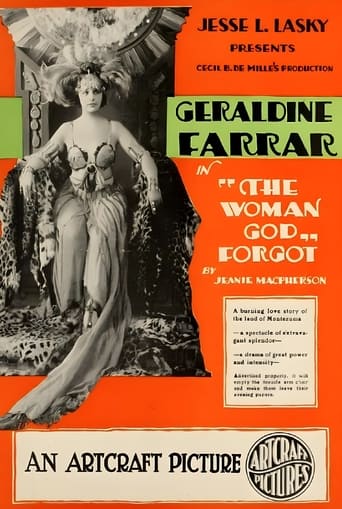
The Woman God Forgot
1917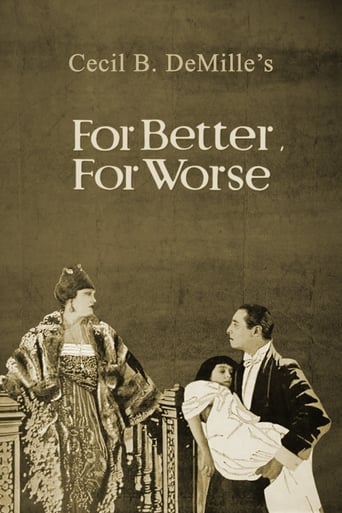
For Better, for Worse
1919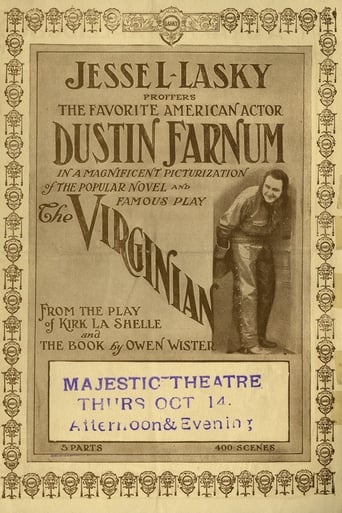
The Virginian
1914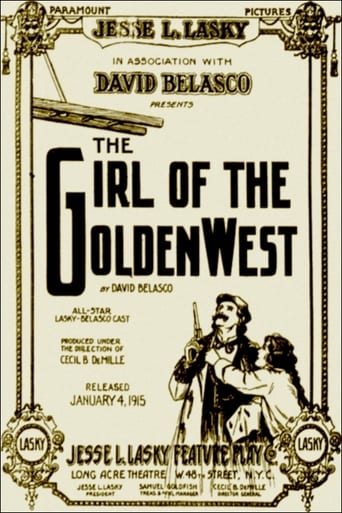
The Girl of the Golden West
1915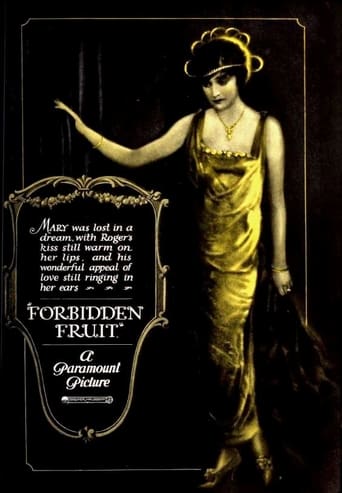
Forbidden Fruit
1921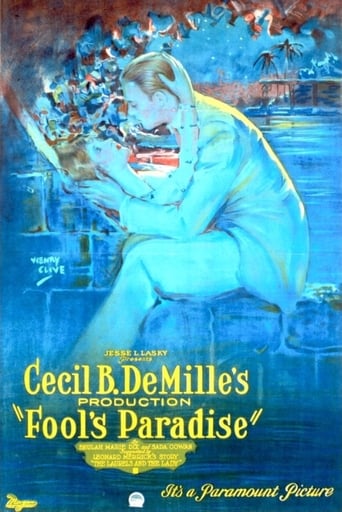
Fool's Paradise
1921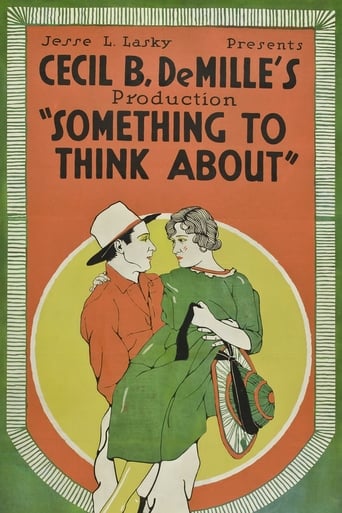
Something to Think About
1920
The Captive
1915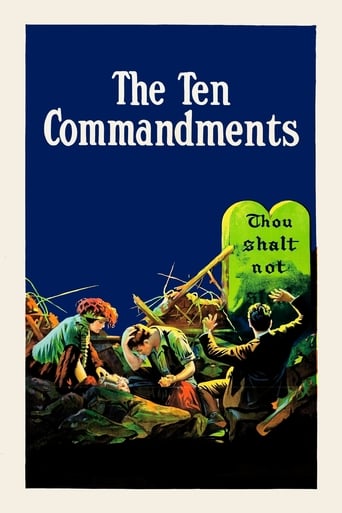
The Ten Commandments
1923
The Cheat
1915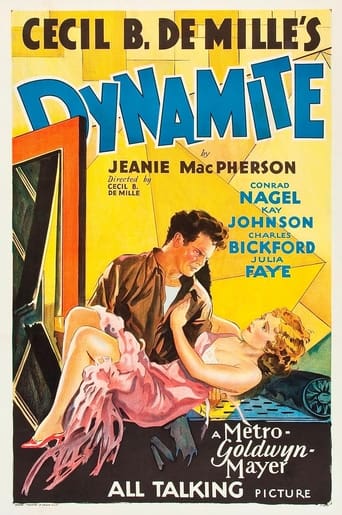
Dynamite
1929
The King of Kings
1927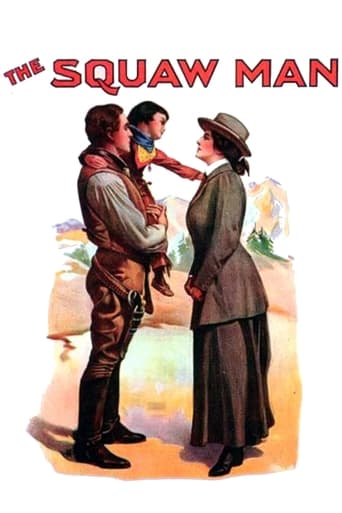
The Squaw Man
1914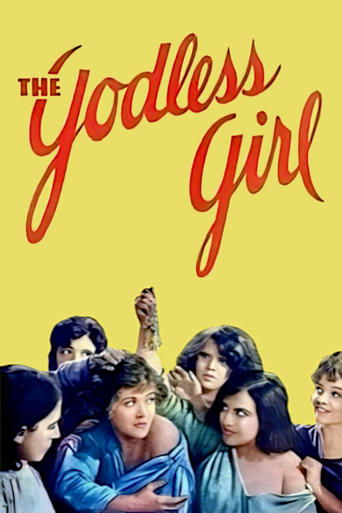
The Godless Girl
1929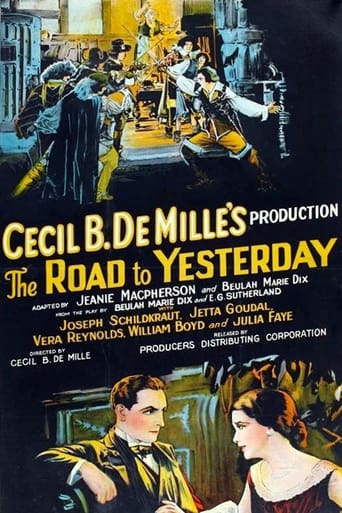
The Road to Yesterday
1925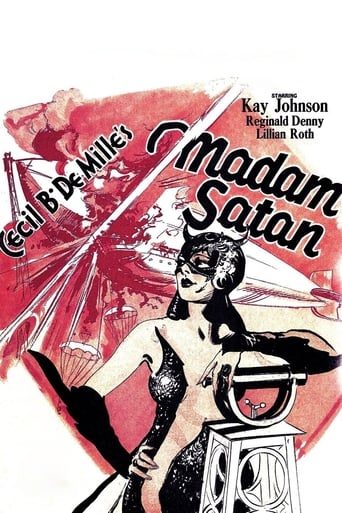
Madam Satan
1930
Old Wives for New
1918
The Golden Chance
1915
A Trip to Paramountown
1922About Cecil B. DeMille
Cecil Blount DeMille was and successful directors in Hollywood history, the epic film genre and founding Paramount Pictures. Beginning his career in 1913 with 'The Squaw Man,' DeMille quickly established himself excelled in spectacle, creating lavish biblical and historical epics that defined Hollywood's Golden Age. His films were characterized by their grand scale, moral themes, and technical innovation, including early use of color and widescreen formats. DeMille directed over 70 films spanning five decades, from silent classics like 'The Ten Commandments' (1923) to the Academy Award-winning 'The Greatest Show on Earth' (1952). He was known for his meticulous attention to detail, often spending months researching historical accuracy and building massive sets. Beyond his directing prowess, DeMille — savvy businessman who co-founded Famous Players-Lasky Corporation, which later became Paramount Pictures. His final film, a remake of 'The Ten Commandments' (1956), remains successful and beloved biblical epics ever made, cementing his legacy as Hollywood's master of spectacle.
The Craft
Behind the Camera
DeMille's directing style was characterized by grand spectacle, meticulous attention to detail, and strong moral themes. He was known for his elaborate sets, massive crowd scenes, and use of special effects. His films often featured biblical or historical narratives with clear moral dichotomies between good and evil. DeMille — perfectionist who demanded absolute control over every aspect of production, from costume design to musical scores. He pioneered many cinematic techniques including the use of Technicolor, widescreen formats, and innovative camera movements. His directing approach emphasized visual storytelling through epic scale and dramatic composition, creating a signature style that influenced generations of filmmakers.
Milestones
- Co-founded Famous Players-Lasky Corporation (Paramount Pictures) in 1916
- Directed first feature film 'The Squaw Man' (1914)
- Created groundbreaking biblical epics including 'The Ten Commandments' (1923 and 1956)
- Won Academy Award for Best Picture for 'The Greatest Show on Earth' (1952)
- Pioneered use of Technicolor in early films
- Received the first Irving G. Thalberg Memorial Award in 1952
- Directed over 70 films spanning silent era to late 1950s
- Created the Hollywood Foreign Press Association's Golden Globe Awards
Best Known For
Must-See Films
Accolades
Won
- Academy Award for Best Picture - The Greatest Show on Earth (1952)
- Irving G. Thalberg Memorial Award (1952)
- Golden Globe for Best Director - The Greatest Show on Earth (1953)
- DGA Award for Outstanding Directorial Achievement - The Ten Commandments (1957)
- Academy Honorary Award (1950)
Nominated
- Academy Award for Best Director - The Ten Commandments (1957)
- Academy Award for Best Picture - Samson and Delilah (1950)
- Golden Globe for Best Director - The Ten Commandlets (1957)
- DGA Award for Outstanding Directorial Achievement - The Greatest Show on Earth (1953)
Special Recognition
- Hollywood Walk of Fame star (located at 6240 Hollywood Blvd)
- AFI Life Achievement Award (inaugural recipient, 1973)
- American Film Institute's 100 Years.100 Movies - The Ten Commandments (1956) ranked #79
- National Film Registry induction for The Ten Commandments (1956)
- DeMille Theatre at USC named in his honor
Working Relationships
Worked Often With
Studios
Why They Matter
Impact on Culture
Cecil B. DeMille fundamentally shaped Hollywood's approach to spectacle and blockbuster filmmaking, establishing the template for the modern epic film. His biblical epics created a new genre that combined entertainment with moral education, influencing countless filmmakers who followed. DeMille's success demonstrated that films could be both commercially profitable and culturally significant, elevating cinema's status as an art form. His meticulous attention to historical detail and visual grandeur set new standards for production design and technical innovation. The Golden Globe Awards, which he helped establish, became. DeMille's films introduced biblical stories to mass audiences, making religious themes accessible and entertaining for mainstream viewers. His work during the silent era helped establish Hollywood as the global center of film production.
Lasting Legacy
Cecil B. DeMille's legacy endures through his timeless epics that continue to be broadcast and studied decades after their release. His name has become synonymous with Hollywood spectacle and grand-scale filmmaking, with the phrase 'Cecil B. DeMille production' entering popular culture as shorthand for lavish entertainment. The Cecil B. DeMille Award, presented annually at the Golden Globes, honors lifetime achievement in film and is one of the industry's most prestigious honors. His work in color cinematography, special effects, and widescreen technology influenced generations of filmmakers from David Lean to Steven Spielberg. DeMille's business acumen in co-founding Paramount Pictures helped establish the studio system that dominated Hollywood for decades. His films remain cultural touchstones, with 'The Ten Commandments' becoming an annual Easter tradition for many families worldwide.
Who They Inspired
DeMille influenced countless directors including Steven Spielberg, who cited him as a major inspiration for creating spectacle. George Lucas modeled the opening of 'Star Wars' after DeMille's epic storytelling approach. Martin Scorsese studied DeMille's techniques for creating dramatic tension through visual composition. Peter Jackson's approach to large-scale battle scenes in 'The Lord of the Rings' trilogy drew inspiration from DeMille's crowd management techniques. Ridley Scott's historical epics like 'Gladiator' and 'Kingdom of Heaven' echo DeMille's blend of historical accuracy and dramatic storytelling. James Cameron cited DeMille as an influence on his approach to combining spectacle with narrative. Modern directors continue to study DeMille's methods for managing complex productions with thousands of extras and elaborate sets.
Off Screen
Cecil B. DeMille married Constance Adams in 1902, and they remained married until her death in 1960. The couple had one biological daughter, Cecilia, and adopted another daughter, Katherine. DeMille was known for his strong Christian faith, which heavily influenced his biblical epics. Despite his public moral stance, he had a complex personal life and maintained a long-term relationship with his screenwriter Jeanie Macpherson. DeMille suffered a heart attack on set during the filming of 'The Ten Commandments' (1956) but recovered to complete the film. He was a devoted family man who maintained close relationships with his children and grandchildren throughout his life.
Education
Attended Pennsylvania Military College (now Widener University), studied at American Academy of Dramatic Arts, briefly attended Columbia University
Family
- Constance Adams (1902-1960)
Did You Know?
- Was one of the 36 founders of the Academy of Motion Picture Arts and Sciences
- Had a clause in his contracts allowing him to direct one film per year for himself
- Kept a whip on set during filming of 'The Ten Commandments' to maintain order
- Was the first director to receive the Irving G. Thalberg Memorial Award
- His granddaughter is actress Cecilia DeMille Presley
- Once directed 6 films in a single year (1915)
- The parting of the Red Sea sequence in 'The Ten Commandments' (1956) cost $1.5 million
- Was a pallbearer at Rudolph Valentino's funeral
- His films grossed over $650 million (equivalent to billions today)
- Received the first star on the Hollywood Walk of Fame
- Had a lifelong fascination with ancient Egypt and biblical history
- Survived a near-fatal heart attack on set during filming of 'The Ten Commandments'
In Their Own Words
Creation is a drug I cannot live without.
The public is always right. You can't fool all of the people all of the time, but you can fool enough of them to make a good living.
I am a director. I direct actors, I direct cameras, I direct action, and I direct myself.
God is the greatest special effects man in the universe.
What I have done is to give the public what it wants. The public wants spectacular entertainment, and I give it to them.
I don't make movies to make money. I make money to make movies.
The Ten Commandments are not rules to obey but promises to claim.
In every film I make, there's a moral. People may not always like it, but it's there.
Frequently Asked Questions
Who was Cecil B. DeMille?
American on YTB.my. He was one of Hollywood's most successful and influential directors, known for films like 'The Ten Commandments' and 'The Greatest Show on Earth.' DeMille helped establish the studio system and set new standards for cinematic spectacle during the Golden Age of Hollywood.
What films is Cecil B. DeMille best known for?
Titles linked here include The Ten Commandments (1923), The King of Kings (1927).
When was Cecil B. DeMille born and when did he die?
Born August 12, 1881; died January 21, 1959.
What awards did Cecil B. DeMille win?
DeMille won the Academy Award for Best Picture for 'The Greatest Show on Earth' (1952) and received the Irving G. Thalberg Memorial Award in 1952. He also won a Golden Globe for Best Director for 'The Greatest Show on Earth' and received the Academy Honorary Award in 1950. The Golden Globes' Cecil B. DeMille Award, named in his honor, is presented annually for lifetime achievement in film.
What was Cecil B. DeMille's directing style?
DeMille's directing style was characterized by grand spectacle, meticulous attention to detail, and strong moral themes. He was known for elaborate sets, massive crowd scenes, and use of special effects and color cinematography. His films often featured biblical or historical narratives with clear moral dichotomies, and he demanded absolute control over every aspect of production to achieve his vision of cinematic perfection.