

Forbidden Fruit
"Maddock works seamstress bring home"
Keys: Space play/pause · ←/→ 10s · F fullscreen · M mute · </> speed
About this film
Mary Maddock works as a seamstress to bring home money while her husband Steve, unemployed, has no real prospects of earning money. Mary's employers, are trying to strike an oil related business deal with a rich man by the name of Nelson Rogers. The deal does not seem to be on the table, as Mr. Rogers is leaving town shortly and does not have the time to work out the details of such a deal. In an order to entice him to stay, Mrs. Mallory - wife of Mr. Mallory who is proposing the business deal - convinces Mary to be her guest at a dinner party with the intent of making Mr. Rogers fall for her…
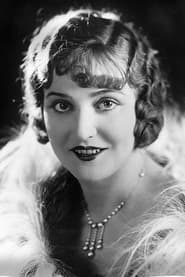
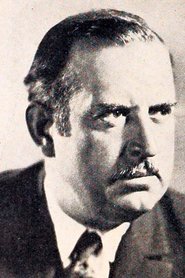
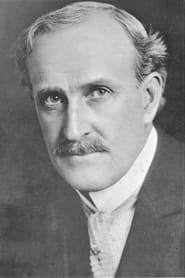
Cast & crew
More films like this
More Drama films
View all →







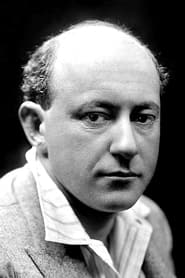
More from Cecil B. DeMille
View all →
More about this film
About the production
Release dateJanuary 30, 1921
ProductionFamous Players-Lasky Corporation, Paramount Pictures
Filmed inHollywood, California
Forbidden Fruit — lavish Cecil B. DeMille production known for its elaborate sets and costumes, particularly the opulent dinner party scenes. The film featured DeMille's signature attention to visual spectacle and moral complexity. The production was completed during a period when DeMille was establishing himself as one of Hollywood's most successful and influential directors, known for his ability to blend entertainment with moral themes. The film's sets were designed by Paul Iribe, a renowned French artist who brought sophisticated European aesthetics to Hollywood productions.
Themes
Moral temptationWealth vs. VirtueFemale agencySocial classMarital fidelity
Themes & topics
seamstressunemployed husbandoil businessdinner partyseductionmoral dilemmawealthy benefactormarriagetemptationsocial climbing
Historical background
Forbidden Fruit (1921) emerged during late silent cinema and the transition toward sound, when exhibition habits and national film industries were still taking shape.
Why this film matters
Forbidden Fruit remains accessible through digital archives, giving modern viewers a direct link to 1921 screen culture.
Making of
Cecil B. DeMille approached Forbidden Fruit with his characteristic blend of showmanship and moral seriousness. The production was part of DeMille's golden period at Famous Players-Lasky, where he had considerable creative freedom and substantial budgets. DeMille was known for his hands-on directing style, often personally positioning actors and supervising every aspect of production. The film's elaborate sets were constructed on the Paramount backlot, with the dinner party scene requiring extensive preparation and coordination. Agnes Ayres, who was rising to stardom during this period, worked closely with DeMille to develop her character's complex emotional journey. The film's themes of temptation and redemption resonated with DeMille's personal interests and appeared in many of his works from this era.
What critics said
Trade and revival screenings have kept Forbidden Fruit (1921) on the map for collectors and scholars rather than mass first-run promotion.
Did you know?
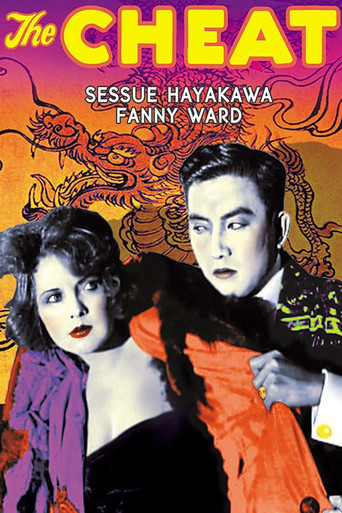
- This film was actually a remake of DeMille's own 1915 film 'The Cheat,' though with significant changes to the story and characters
- Agnes Ayres was Popular actresses of the early 1920s, best known for her role as Lady Diana Mayo in 'The Sheik' opposite Rudolph Valentino
- The film's title was considered controversial for its time, reflecting DeMille's tendency to push boundaries with suggestive themes
- Cecil B. DeMille was known for his meticulous attention to detail, often requiring multiple takes for scenes that other directors would have accepted
- The film featured elaborate costumes designed by Mitchell Leisen, who would later become a prominent director himself
- DeMille frequently reused actors and crew members across his productions, creating a reliable team that understood his vision
- The oil business subplot reflected the real oil boom that was transforming Southern California during the 1920s
- The film's moral themes were typical of DeMille's work, which often explored the tension between temptation and virtue
- Contemporary advertisements emphasized the film's 'modern' themes and sophisticated settings
- The dinner party sequence was
Visual style
The cinematography in Forbidden Fruit was handled by Alvin Wyckoff, a frequent DeMille collaborator. The film featured sophisticated lighting techniques that visually distinguished between the world of moral purity and corrupting luxury. Wyckoff employed dramatic chiaroscuro effects, particularly in scenes of moral conflict, using shadows to represent the characters' inner turmoil. The dinner party sequence showcased elaborate lighting design that emphasized the opulence and artificiality of the wealthy characters' world. The film's visual style reflected DeMille's background in theater, with carefully composed shots that emphasized dramatic moments and character reactions. The cinematography also made effective use of the medium's ability to convey emotion through visual means, crucial for a silent film.
Innovations
Forbidden Fruit demonstrated several technical innovations characteristic of DeMille's productions. The film featured sophisticated set design that used architectural elements to reinforce the story's moral themes. The lighting techniques employed by cinematographer Alvin Wyckoff were particularly advanced for the period, using artificial light to create mood and emphasize character psychology. The film's editing, supervised by Anne Bauchens, DeMille's longtime editor, featured smooth transitions and effective pacing that maintained dramatic tension. The production also showcased advances in makeup and costume design that helped create the film's distinctive visual contrast between different social worlds. These technical elements combined to create a film that was visually sophisticated and emotionally powerful.
Music
As a silent film, Forbidden Fruit would have been accompanied by live musical performance during its original theatrical run. The score would have been compiled from various classical and popular pieces, selected to match the film's emotional tone and dramatic moments. Theatres of the era typically employed small orchestras or organists to provide accompaniment, with larger theaters offering more elaborate musical presentations. The specific musical selections for Forbidden Fruit are not documented, but given DeMille's attention to detail, it's likely that detailed musical cue sheets were provided to theaters. The film's themes of temptation and moral conflict would have been emphasized through appropriate musical choices, ranging from romantic melodies during tender moments to dramatic, dissonant passages during scenes of moral crisis.
Famous quotes
Mary Maddock: 'I never knew there was such a world as this!' (upon entering the luxurious dinner party)
Mrs. Mallory: 'Sometimes a woman must use the weapons God gave her to protect what matters most.'
Nelson Rogers: 'Money can buy anything except a clear conscience.'
Steve Maddock: 'I may not have much, but I have my pride!'
Mary Maddock: 'The fruit of temptation is sweetest when it's most forbidden.'
Memorable scenes
- The elaborate dinner party sequence where Mary, dressed in luxurious clothes, enters the wealthy world for the first time, with DeMille using tracking shots and detailed composition to emphasize her transformation and the overwhelming opulence surrounding her
What audiences thought
Forbidden Fruit was generally well-received by audiences upon its release, particularly appealing to sophisticated urban viewers who appreciated its adult themes and lavish production values. The film performed solidly at the box office, benefiting from DeMille's growing reputation as a reliable director of quality entertainment. Contemporary audience letters and reviews suggest that viewers were particularly drawn to Agnes Ayres' performance and the film's exploration of moral dilemmas. The film's themes of temptation and redemption resonated strongly with early 1920s audiences, who were navigating their own rapidly changing social landscape. While not as commercially successful as some of DeMille's other works from this period, the film developed a reputation as a quality adult drama that appealed to discerning moviegoers.
Film connections
Influenced by
- The Cheat (1915)
- Victorian melodrama
- Biblical stories of temptation
- Contemporary social dramas
- European naturalist literature
This film influenced
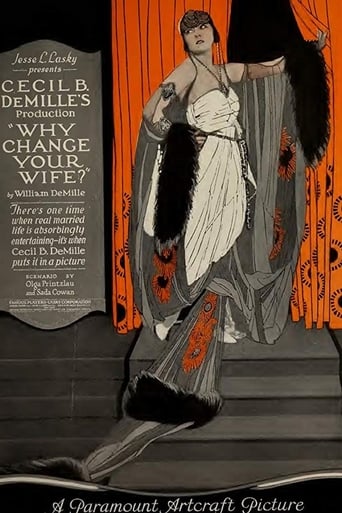
- Why Change Your Wife? (1920)
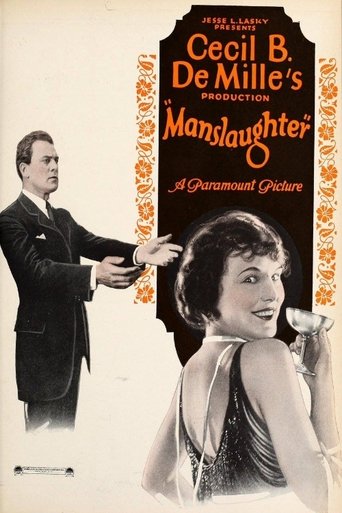
- Manslaughter (1921)
- The Golden Bed (1925)
- Madam Satan (1930)
- Later DeMille moral dramas
Film restoration
Forbidden Fruit is considered a partially lost film. While some reels and fragments survive in various film archives, including the Library of Congress and UCLA Film & Television Archive, a complete print has not been found. The surviving footage provides glimpses of the film's visual style and key scenes, but much of the original footage remains lost. The film's status as a partially lost silent classic makes the surviving fragments particularly valuable to film historians and archivists. Preservation efforts continue, with archives occasionally discovering previously unknown footage in private collections or international archives.
Where to watch
- Due to its partially lost status, complete viewing of Forbidden Fruit is not currently possible. Surviving fragments may occasionally be screened at film archives specializing in silent cinema, such as the UCLA Film & Television Archive or the Library of Congress. Some clips may be available through academic institutions or silent film preservation societies. Film historians and researchers may access available footage through specialized archives by appointment. The film's status as a partially lost work makes it primarily of interest to scholars and silent film enthusiasts rather than general audiences.