Films
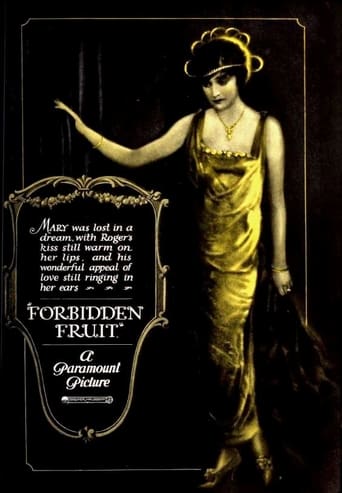
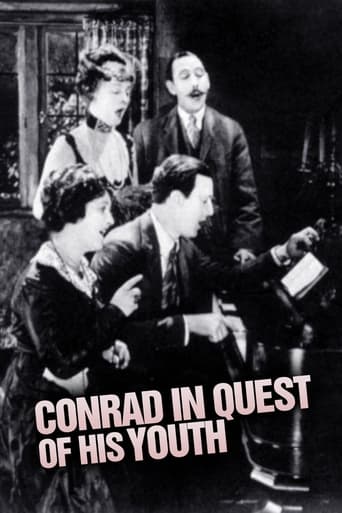
2 films
About Bertram Johns
British actor who worked during the early silent film era of the 1920s. His brief but notable film just two years, during which he appeared in at least two significant productions. His most recognized role was in the 1920 film 'Conrad in Quest of His Youth,' where he demonstrated the theatrical acting style typical of the period. The following year, he appeared in 'Forbidden Fruit' (1921), further cementing his place in early British cinema. Like many actors of his era, Johns transitioned from stage to screen as the film industry was rapidly evolving. Unfortunately, his film career appears to have been short-lived, with no documented screen appearances after 1921. The limited documentation of his work reflects the challenges of preserving comprehensive records about early film actors, particularly those who had brief careers in the rapidly changing landscape of silent cinema.
The Craft
On Screen
Bertram Johns employed the theatrical, exaggerated acting style typical of early silent film actors, using expressive gestures and facial expressions to convey emotion without dialogue. His performances reflected the stage-to-screen transition techniques common in the early 1920s, where actors relied heavily on physicality and dramatic posing to communicate with audiences. Like many contemporaries, his approach was influenced by Victorian theatrical traditions adapted for the new medium of cinema.
Milestones
- Appeared in 'Conrad in Quest of His Youth' (1920)
- Starred in 'Forbidden Fruit' (1921)
- Participated in early British silent cinema
- Worked during the transitional period of film development
Best Known For
Iconic Roles
Must-See Films
Why They Matter
Impact on Culture
Bertram Johns represents the numerous actors who contributed to the foundation of cinema during its formative years but whose names have largely faded from popular memory. His work in early British silent films, though brief, is part of the broader tapestry of film history that laid the groundwork for the cinematic art form. Actors like Johns were pioneers who helped establish the language of screen acting during the transition from stage to film, contributing to the development of cinematic techniques that would evolve throughout the 20th century.
Lasting Legacy
Bertram Johns' legacy is primarily preserved through his surviving film performances in 'Conrad in Quest of His Youth' and 'Forbidden Fruit.' While not a major star of his era, his work serves as an important example of early British silent film acting and contributes to our understanding of cinema's developmental period. His brief career exemplifies the transient nature of early film stardom and the challenges many actors faced in establishing lasting careers during the rapidly evolving landscape of 1920s cinema.
Who They Inspired
Given his brief career and limited filmography, Bertram Johns' direct influence on subsequent generations of actors appears minimal. However, like all early film performers, he contributed to the collective development of screen acting techniques that would be refined and built upon by future generations. His work stands as part of the foundation upon which later actors and filmmakers would develop more sophisticated approaches to cinematic performance.
Off Screen
Very little is documented about Bertram Johns' personal life, which is not uncommon for actors with brief careers in the early silent film era. The lack of comprehensive records from this period, combined with his short filmography, means that details about his family, relationships, and life outside of acting remain largely unknown to film historians.
Did You Know?
- Bertram Johns had an extremely brief film career, spanning only two years (1920-1921)
- Both of his known films were produced during the early silent era when British cinema was still developing its identity
- His filmography consists of only two documented feature films, making him a relatively obscure figure in film history
- Like many early silent film actors, detailed biographical information about his life is scarce
- His most significant role was the title character in 'Conrad in Quest of His Youth'
- The lack of extensive documentation about his career is typical for supporting actors of the silent era
- His career coincided with the transition years when cinema was establishing itself as a serious art form
- No records of his stage career, if any, have been preserved in major theatrical archives
Frequently Asked Questions
Who was Bertram Johns?
British with credits in this catalog. His career was brief, spanning only two years, and he represents the many early film actors whose contributions to cinema history are preserved through limited surviving works.
What films is Bertram Johns best known for?
Titles linked here include Conrad in Quest of His Youth (1920), Forbidden Fruit (1921).
When was Bertram Johns born and when did he die?
Unfortunately, specific birth and death dates for Bertram Johns are not documented in available historical records. This lack of biographical information is not uncommon for actors with brief careers in the early silent film era, when comprehensive record-keeping was not yet standardized in the film industry.
What awards did Bertram Johns win?
There are no records of Bertram Johns receiving any major awards or nominations during his brief film career. The Academy Awards were not established until 1929, after his acting career had ended, and other major film honors were not yet prevalent during the early 1920s when he was active.
What was Bertram Johns' acting style?
Bertram Johns employed the theatrical, exaggerated acting style typical of early silent film actors, using expressive gestures and facial expressions to convey emotion without dialogue. His performances reflected the stage-to-screen transition techniques common in the early 1920s, where actors relied heavily on physicality and dramatic posing to communicate with audiences.