

Conrad in Quest of His Youth
"a man of near middle-age"
Keys: Space play/pause · ←/→ 10s · F fullscreen · M mute · </> speed
About this film
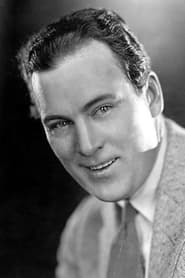
Conrad Warrener, a man of near middle-age, reflects nostalgically on the happy times of his youth and decides to recapture them. However, what he learns about the "second time around" is neither what he expected nor what he hoped for.
Cast & crew
More films like this
More Comedy films
View all →







More from William C. deMille
View all →
More about this film
About the production
Release dateJanuary 1920
Box officeUnknown
ProductionFamous Players-Lasky Corporation, Paramount Pictures
Filmed inParamount Studios, Hollywood, California
Based on the novel 'Conrad in Quest of His Youth' by Leonard Merrick, this film was one of several adaptations of Merrick's works during the silent era. William C. deMille, brother of the more famous Cecil B. deMille, was known for his sophisticated comedies and dramas that often explored social themes. The production utilized the elaborate sets and costumes that Paramount was famous for during this period, reflecting the opulence of the early 1920s film industry.
Themes
Nostalgia and memoryAging and middle ageThe impossibility of recapturing the pastSelf-discovery and acceptanceThe conflict between youth and maturity
Themes & topics
Historical background
Conrad in Quest of His Youth (1920) emerged during the silent-film era. Archival records and catalog entries help place the work within film-history surveys of the period.
Why this film matters
Preserved under Wikidata ID Q5162641, Conrad in Quest of His Youth is valued as a comedy within catalog and archive collections. Wikipedia's "Conrad in Quest of His Youth" entry connect it to broader histories of cinema exhibition and restoration.
Making of
The production took place during a transformative period in Hollywood, as studios were establishing the star system and investing heavily in feature films. William C. deMille was known for his meticulous attention to detail and his ability to draw nuanced performances from his actors. Thomas Meighan, who had previously worked primarily in comedy, took on this more dramatic role to showcase his range as an actor. The film's production design reflected the lavish productions Paramount was known for, with detailed sets that contrasted the protagonist's current wealthy lifestyle with his more humble memories of youth. The cinematography employed subtle lighting techniques to differentiate between the present and flashback sequences, a sophisticated approach for the time. The film was shot during the winter of 1919-1920, a period when Hollywood was experiencing rapid growth and establishing itself as the center of American film production.
What critics said
Trade and archival sources offer limited day-one review coverage for Conrad in Quest of His Youth. Modern reception rests on its availability in collections, repertory screenings, and reference works that document 1920 cinema.
Did you know?
- This was one of Thomas Meighan's most popular roles during his peak years as a leading man in the early 1920s
- The film was based on a 1903 novel by British author Leonard Merrick, who was sometimes called 'the English Chekhov'
- William C. deMille was the older brother of the more famous director Cecil B. deMille and was actually the first of the brothers to enter the film industry
- The film's theme of middle-aged nostalgia was particularly relevant in the 1920s, a decade when many Americans were grappling with rapid social change and modernization
- Mabel Van Buren, who plays the female lead, was a popular actress during the silent era but largely retired from films after the transition to sound
- The original novel had been adapted for the stage before being filmed, showing the popularity of Merrick's story across different media
- This film was part of Paramount's prestige productions for 1920, receiving a substantial marketing budget
- The film's title was sometimes shortened to 'Conrad's Quest' in some advertisements and theater listings
- Thomas Meighan was one of the highest-paid actors of his time, earning over $3,000 per week during this period
- The film was released just as American cinema was transitioning from shorter one-reel films to feature-length productions
Visual style
The cinematography, handled by James Van Trees, employed sophisticated techniques for its time to distinguish between the protagonist's present reality and his memories of youth. Van Trees used softer focus and warmer tones for the flashback sequences, creating a dreamlike quality that contrasted with the sharper, cooler lighting of the present-day scenes. The film made effective use of lighting to create mood and atmosphere, particularly in interior scenes where Conrad reflects on his past. Camera movement was relatively static, as was typical of the period, but the composition of shots was carefully planned to emphasize the emotional states of the characters. The film also utilized location shooting for some exterior scenes, which was still relatively uncommon in 1920 and added to its visual richness.
Innovations
While not groundbreaking in its technical aspects, the film demonstrated the growing sophistication of Hollywood production in the early 1920s. The use of lighting to distinguish between time periods was a subtle but effective technique that showed the increasing complexity of cinematic storytelling. The film's editing, particularly in its transitions between present and past, was smooth and effective for its time. The production design created distinct visual worlds for the different time periods, with detailed sets and costumes that reflected the attention to detail becoming standard in major studio productions. The film also demonstrated the growing use of the close-up to convey emotional states, a technique that was still being refined during this period.
Music
As a silent film, Conrad in Quest of His Youth would have been accompanied by live musical performance in theaters. The original score was likely composed by Paramount's music department and would have varied depending on the size and sophistication of each theater. Large urban theaters might have had full orchestras, while smaller venues would have used a piano or organ. The music would have followed the dramatic structure of the film, with lighter, more whimsical themes for the youth sequences and more melancholic or dramatic music for Conrad's present-day struggles. The score would have included popular songs of the era as well as classical pieces adapted for the film's emotional beats.
Famous quotes
Youth is a wonderful thing, but it's a terrible thing to waste trying to get it back
The past is a foreign country - they do things differently there
We spend our youth wanting to be older, and our older years wishing we were young again
Memorable scenes
- The opening sequence where Conrad discovers old photographs and becomes lost in memories
- The montage of Conrad's youthful adventures contrasted with his current mundane life
- The pivotal scene where Conrad returns to his college town and finds it completely changed
- The emotional climax where Conrad accepts his age and finds peace in the present
What audiences thought
The film was generally well-received by audiences and performed solidly at the box office, particularly in urban areas where its themes of modern alienation and nostalgia resonated with middle-class viewers. Thomas Meighan's star power helped draw audiences, and many theatergoers appreciated seeing him in a more dramatic role than his usual comic performances. The film's theme of recapturing youth struck a chord with audiences in the early 1920s, many of whom were experiencing rapid social changes and technological advancements that made the past seem increasingly distant. Audience letters to film magazines of the period frequently mentioned the movie's relatable exploration of aging and memory, with some viewers sharing their own experiences of nostalgia and the desire to return to simpler times.
Film connections
Influenced by
- Leonard Merrick's 1903 novel
- Stage adaptations of the novel
- Contemporary European art cinema
- American literary naturalism
This film influenced
- Later films dealing with middle-aged crisis and nostalgia
- Character-driven dramas of the 1920s
- Films exploring memory and time
Film restoration
The film is believed to be partially preserved with some scenes missing, which is common for silent films of this era. Some reels exist in film archives, but a complete version may not survive. The Library of Congress and the UCLA Film and Television Archive hold portions of the film. Restoration efforts have been limited due to the incomplete nature of the surviving materials.
Where to watch
- The film is not currently available on major streaming platforms
- Film archives may have viewing access for researchers
- Occasionally screened at silent film festivals or special events
- Some portions may be available through archival collections or film preservation societies