
William C. deMille
Actor & Director
Born: July 25, 1878 in Washington, North Carolina, USA Died: March 8, 1955 Active: 1914-1939 (primarily directing 1914-1931) Birth Name: William Churchill deMille
Films
6 films



About William C. deMille
William C. DeMille was born on July 25, 1878, in Washington, North Carolina, into a prominent theatrical family that would produce two of Hollywood's most influential directors. He began his career as a successful Broadway playwright and theater director before transitioning to film in the mid-1910s, bringing with him a sophisticated understanding of character and narrative. Between 1914 and 1928, he directed over 70 silent films, establishing himself excelled in intimate domestic dramas and social comedies that stood in stark contrast to his brother Cecil B. DeMille's epic spectacles. His 1921 film 'Miss Lulu Bett' earned him an Academy Award nomination for Best Adaptation and was considered progressive for its exploration of women's independence. As one of the 36 founding members of the Academy of Motion Picture Arts and Sciences in 1927, he helped establish the institutions that would govern and honor cinematic achievement. While he struggled with the transition to sound films in the early 1930s, he later found success as a drama teacher at USC, where he mentored future generations of filmmakers. He died on March 8, 1955, leaving behind a legacy of sophisticated storytelling and artistic integrity that influenced the development of American narrative cinema.
The Craft
Behind the Camera
William C. DeMille was known for his sophisticated, character-driven approach to filmmaking, focusing on intimate domestic dramas and social comedies with psychological realism. Unlike his brother's epic spectacles, William favored nuanced character development and subtle storytelling, often exploring themes of social class, family dynamics, and moral dilemmas with an understated touch. His theatrical background influenced his visual style, which was more restrained and focused on performance rather than grand cinematography. He was particularly adept at directing actresses and drawing out naturalistic performances that emphasized emotional depth over melodrama.
Milestones
- Directed over 70 films during the silent era
- Academy Award nomination for Best Adaptation for 'Miss Lulu Bett' (1921)
- One of 36 founding members of the Academy of Motion Picture Arts and Sciences (1927)
- Successful transition from Broadway playwright to film director
- Founded the USC School of Cinema-Television drama department
- Mentored numerous future Hollywood talents as an educator
Best Known For
Must-See Films
Accolades
Nominated
- Academy Award nomination for Best Adaptation for 'Miss Lulu Bett' (1921/22)
Special Recognition
- One of the 36 founding members of the Academy of Motion Picture Arts and Sciences (1927)
- Pioneer in establishing narrative cinema as an art form
Working Relationships
Worked Often With
Studios
Why They Matter
Impact on Culture
William C. DeMille played a crucial role in establishing the artistic legitimacy of American cinema during its formative years, demonstrating that film could handle sophisticated social themes and complex character development. His work helped bridge the gap between theatrical tradition and cinematic innovation, establishing techniques for adapting stage works to the screen that would influence generations of filmmakers. As a founding member of the Academy, he helped create the institutional framework that would govern and honor cinematic achievement for decades to come. His films, particularly those dealing with women's issues and social class, were ahead of their time and contributed to the development of socially conscious Hollywood cinema. His emphasis on psychological realism and character-driven narratives helped establish the foundation for American dramatic filmmaking.
Lasting Legacy
William C. DeMille's legacy rests on his contribution to developing the language of American narrative cinema, particularly in establishing sophisticated social comedy and domestic drama as viable film genres. While often overshadowed by his brother Cecil's spectacular epics, William's more intimate, character-focused films demonstrated cinema's capacity for psychological depth and social commentary, influencing countless directors who followed. His role as an educator at USC helped shape generations of filmmakers, extending his influence beyond his own directorial work. Through his daughter Agnes deMille's groundbreaking choreography, the family's artistic legacy continued to evolve and impact American performing arts. His films remain valuable examples of silent-era sophistication and continue to be studied for their nuanced approach to storytelling and character development.
Who They Inspired
William C. DeMille influenced the development of Hollywood's narrative filmmaking through his emphasis on character development and social themes, demonstrating that films could tackle complex issues while remaining commercially successful. His approach to directing actors, particularly in drawing out subtle, naturalistic performances, established techniques that would be refined by subsequent generations of filmmakers. His theatrical background helped establish methods for adapting stage works to cinema that influenced the entire industry. As an educator at USC, he directly mentored numerous students who would go on to become successful filmmakers, writers, and producers in Hollywood. His focus on strong female protagonists and social issues helped pave the way for more progressive storytelling in American cinema.
Off Screen
William C. DeMille came from a theatrical family; his father Henry Churchill deMille — playwright and drama teacher, while his mother Matilda Beatrice deMille ran a girls' school and later became a successful playwright. He married screenwriter Clara Beranger in 1910, and their partnership was both personal and professional, with Clara writing many of his film scripts. The couple had one daughter, Agnes deMille, who would become a world-renowned choreographer and dancer, carrying forward the family's artistic legacy. William maintained a complex relationship with his more famous brother Cecil B. DeMille - competitive yet supportive, with both brothers acknowledging their different but valuable contributions to cinema. His later years were dedicated to education, teaching drama at USC and influencing countless future filmmakers.
Education
Graduated from Columbia University in 1900; studied at the American Academy of Dramatic Arts
Family
- Clara Beranger (1910-1955)
Did You Know?
- He was the older brother of the more famous Cecil B. DeMille, but they had very different directing styles - William favored intimate dramas while Cecil made epic spectacles
- He was one of the 36 founding members of the Academy of Motion Picture Arts and Sciences in 1927
- His daughter Agnes deMille revolutionized Broadway choreography with shows like 'Oklahoma!' and 'Carousel'
- He began his career as a successful Broadway playwright with hits like 'Strongheart' before moving to Hollywood
- His 1921 film 'Miss Lulu Bett' was considered quite progressive for its time, dealing with themes of women's independence and social criticism
- He wrote the screenplay for 'The Cheat' (1915), one of his brother Cecil's most famous early films
- He was a respected drama teacher at USC for many years after his directing career declined in the early 1930s
- His films often featured strong female protagonists and explored feminist themes, unusual for the era
- He and his brother had a competitive but generally supportive relationship throughout their careers
- He struggled with the transition to sound films, which contributed to his decline as a major director
- His wife Clara Beranger was a successful screenwriter in her own right, unusual for married women in Hollywood at the time
In Their Own Words
The difference between my brother and me is that he makes spectacles, while I make pictures.
A film should be a window through which we see life, not a mirror that merely reflects it.
The greatest challenge in directing is not in moving the camera, but in moving the audience.
Character is destiny, and in film, character is everything.
I would rather make one small picture that touches the heart than a hundred spectacles that only dazzle the eye.
Frequently Asked Questions
Who was William C. DeMille?
American on YTB.my. He was the older brother of Cecil B. DeMille and directed over 70 films known for their sophisticated character studies and social themes. He was also one of the founding members of the Academy of Motion Picture Arts and Sciences and later became a respected drama teacher at USC.
What films is William C. DeMille best known for?
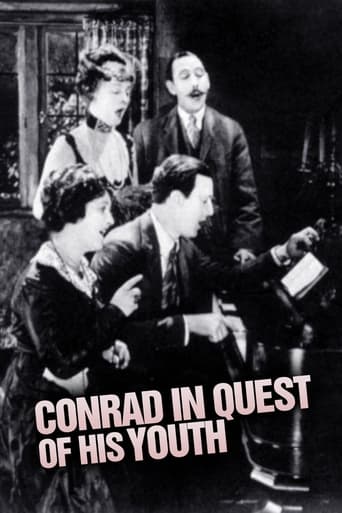
Titles linked here include Miss Lulu Bett (1921), Conrad in Quest of His Youth (1920).
When was William C. DeMille born and when did he die?
Born July 25, 1878; died March 8, 1955.
What awards did William C. DeMille win?
William C. DeMille received an Academy Award nomination for Best Adaptation for 'Miss Lulu Bett' at the first Academy Awards ceremony in 1929. While he didn't win the award, his nomination recognized his significant contribution to early cinema. He was also honored as one of the founding members of the Academy of Motion Picture Arts and Sciences, helping establish the institution that would govern Hollywood for decades.
What was William C. DeMille's directing style?
William C. DeMille's directing style was characterized by sophisticated, character-driven storytelling focusing on intimate domestic dramas and social comedies. Unlike his brother's epic spectacles, William favored psychological realism and nuanced character development, often exploring themes of social class and family dynamics with a subtle, understated approach that emphasized emotional depth over visual spectacle.
How was William C. DeMille related to Cecil B. DeMille?
William C. DeMille was the older brother of Cecil B. DeMille, both born to playwright Henry Churchill deMille and his wife Matilda. While both became prominent Hollywood directors, they had very different styles - William focused on intimate character studies and social dramas while Cecil became famous for grand epics and spectacles. Despite their different approaches, they maintained a supportive relationship throughout their careers.
Did William C. DeMille have any famous children?
Yes, William C. DeMille's daughter Agnes deMille (1905-1993) became a world-renowned choreographer and dancer who revolutionized Broadway with her work on shows like 'Oklahoma!' and 'Carousel.' She won multiple Tony Awards and created some of the most iconic choreography in American musical theater history, carrying forward the family's artistic legacy into dance and theater.