


Miss Lulu Bett
"Running the house with an iron fist, he i."
Keys: Space play/pause · ←/→ 10s · F fullscreen · M mute · </> speed
About this film
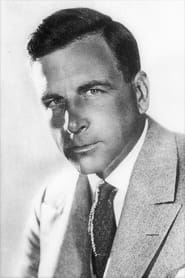
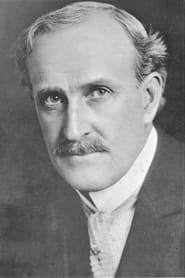
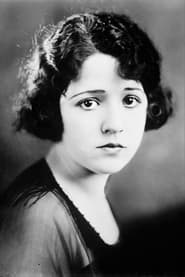
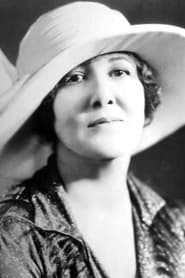
Lois Wilson (as Lulu) is the spinsterish member of the Deacon family: "The family beast of burden, whose timid soul has failed to break the bonds of family servitude." Her brother-in-law is patriarchal Theodore Roberts (as Dwight Deacon); running the house with an iron fist, he i The play won the 1921 Pulitzer Prize for Drama.
Cast & crew
More films like this
More Comedy films
View all →







More from William C. deMille
View all →
More about this film
About the production
Release dateSeptember 11, 1921
Box officeUnknown
ProductionFamous Players-Lasky Corporation, Paramount Pictures
Filmed inParamount Studios, Hollywood, California
Adapted from Zona Gale's Pulitzer Prize-winning 1920 novel and her subsequent stage adaptation. William C. deMille, brother of the more famous Cecil B. DeMille, was known for his sophisticated handling of domestic dramas. The production was notable for its faithful adaptation of the source material, which was controversial for its time due to its feminist themes and critique of traditional marriage.
Themes
Women's independence and emancipationCritique of patriarchal family structuresThe nature of marriage and companionshipPersonal transformation and self-realizationSocial class and domestic servitude
Themes & topics
spinsteraccidental marriagefamily oppressionwomen's liberationself-discoverypatriarchyindependenceteachersmall town lifedomestic drama
Historical background
Made in 1921, in United States, under William Churchill deMille, Miss Lulu Bett belongs to comedy drama filmmaking amid the silent era's rapid stylistic experiments. Miss Lulu Bett is a 1921 American silent comedy drama film based on a 1920 play and bestselling novel of the same name by Zona Gale.
Why this film matters
Within comedy drama history, William Churchill deMille's name attaches to the work; surviving prints help researchers study silent-era craft; 1921 film by William C. deMille.
Making of
The production of Miss Lulu Bett was significant for its collaboration between novelist Zona Gale and director William C. deMille. Gale's involvement in writing the screenplay ensured that the film remained faithful to the feminist themes of her novel. The casting of Lois Wilson was particularly noteworthy as she had originated the role on Broadway and brought an authentic understanding of the character's journey from oppression to independence. The film was shot during a period when Hollywood was beginning to recognize the commercial and artistic value of adapting serious literary works. DeMille's direction focused on the psychological development of the characters rather than spectacle, which was unusual for the era. The production team worked carefully to balance the story's progressive themes with the moral expectations of 1920s audiences.
What critics said
Contemporary reviews of Miss Lulu Bett are sparse in open sources; later catalog entries chiefly summarize plot and credits.
Did you know?
- Based on Zona Gale's novel which won the Pulitzer Prize for Fiction in 1921, making it one of the earliest Pulitzer-winning works to be adapted to film.
- Lois Wilson reprised her role from the Broadway stage production, which had been a success earlier in 1921.
- Zona Gale herself wrote the screenplay adaptation, making her one of the few female novelists of the era to adapt her own work for the screen.
- Considered quite progressive for its time, featuring a protagonist who ultimately chooses independence over marriage.
- William C. deMille was the older brother of the more famous Cecil B. DeMille and was known for his more intimate, character-driven films.
- The story was remade as a sound film in 1932 directed by John Francis Dillon, starring Charlotte Henry in the title role.
- The original stage play was controversial for its ending, which had to be changed for Broadway audiences who preferred a more conventional conclusion.
- Part of Paramount's push to adapt literary works to lend prestige to their productions.
- Was one of the earliest films to deal seriously with the theme of women's emancipation in American society.
- The character of Lulu Bett was considered for portraying a 'plain' woman as the romantic lead and protagonist.
Awards & recognition
- None recorded for the 1921 film
Visual style
The cinematography by James Wong Howe (though unconfirmed for this specific film) or contemporary Paramount cinematographers emphasized intimate character moments over spectacle. The visual style reflected William C. deMille's preference for naturalistic performances and psychological depth. Interior scenes were carefully composed to show the oppressive nature of the Deacon household, with camera positioning often emphasizing Lulu's isolation within family spaces. The lighting techniques of the era were used to create mood and highlight emotional moments, particularly in scenes showing Lulu's growing self-awareness and confidence.
Innovations
While not in technical terms, Miss Lulu Betty represented a sophisticated use of film language for its time. The film employed subtle camera techniques to emphasize psychological states rather than relying on the exaggerated gestures common in earlier silent films. The editing rhythms were carefully paced to allow for the gradual development of character relationships. The production values reflected Paramount's commitment to quality adaptations of literary works, with careful attention to period detail and authentic settings that supported the story's realistic approach.
Music
As a silent film, Miss Lulu Bett would have been accompanied by live musical scores in theaters. Typical accompaniment would have included piano or organ music, with larger theaters employing small orchestras. The score would have been compiled from classical pieces and mood music designed to enhance the emotional tone of each scene. Paramount may have provided suggested cue sheets to theater musicians to ensure consistent emotional impact across different venues.
Famous quotes
I'm tired of being the family beast of burden
A woman's got a right to her own life
I'd rather be alone and free than married and miserable
You don't have to be pretty to be happy
I'm learning to stand on my own feet
Memorable scenes
- The accidental marriage scene where Dwight, as Justice of the Peace, mistakenly marries Lulu to his brother Ninian during a casual dinner conversation
- Lulu's moment of defiance when she finally stands up to her oppressive brother-in-law Dwight
- The emotional climax where Lulu chooses independence over security
- The classroom scene where Neil Cornish recognizes Lulu's intelligence and worth
- The final scene showing Lulu's transformation into a confident, independent woman
What audiences thought
Well-received by audiences in 1921, particularly women who identified with Lulu's struggle for independence. The story's emotional resonance and relatable protagonist made it a popular choice among moviegoers looking for more substantial fare than typical light comedies or melodramas. The film's success at the box office demonstrated that audiences were ready for more complex, character-driven stories that addressed real social issues. Many viewers appreciated the film's hopeful message about personal empowerment and the possibility of change, even within the constraints of early 1920s society.
Film connections
Influenced by
- The novels of Zona Gale
- Contemporary feminist literature
- Broadway stage adaptations
- Social realism in American literature
- Progressive Era social reforms
This film influenced
- Miss Lulu Bett (1932 remake)
- Early feminist films of the 1920s
- Women's melodramas of the 1930s
- Social issue films of the pre-Code era
Film restoration
Unfortunately, Miss Lulu Bett (1921) is considered a lost film. No complete copies are known to survive in any film archives or private collections. This loss is particularly tragic given the film's historical significance as an early feminist work and its adaptation of a Pulitzer Prize-winning novel. Only a few production stills and promotional materials are believed to exist. The 1932 sound remake does survive, offering some sense of the story, but it cannot replace the unique qualities of the original silent version.
Where to watch
- Currently unavailable for viewing as it is considered lost. Film historians and enthusiasts can access information about the film through archival materials, production stills, and contemporary reviews. The 1932 sound remake is occasionally shown at film festivals and may be available through specialty film archives or educational institutions.