
Lois Wilson
Actor
Born: June 28, 1894 in Pittsburgh, Pennsylvania, USA Died: March 3, 1988 Active: 1916-1935
Films
10 films
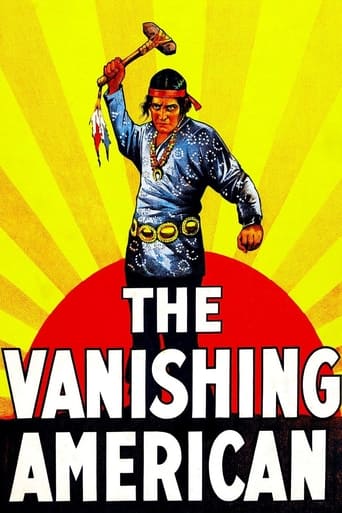

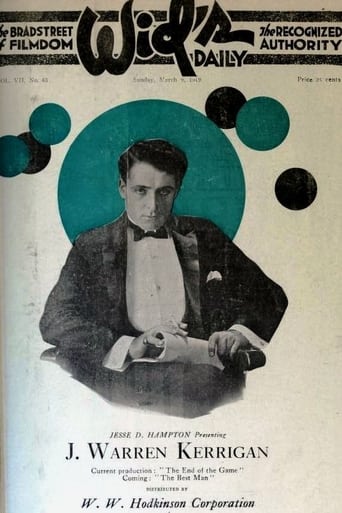
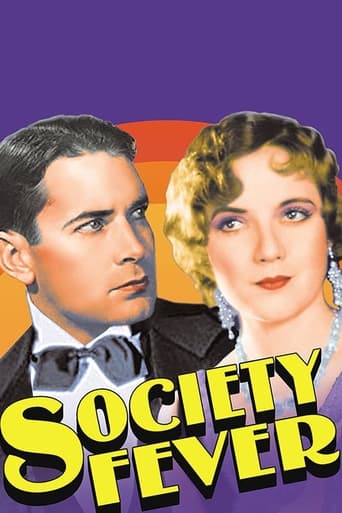
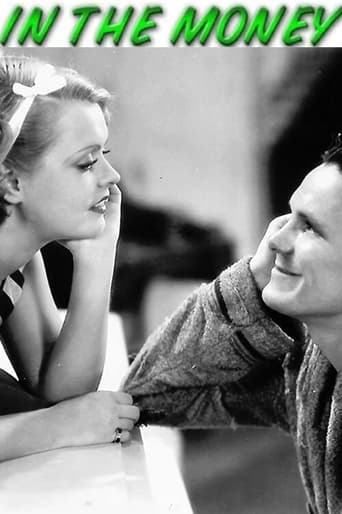
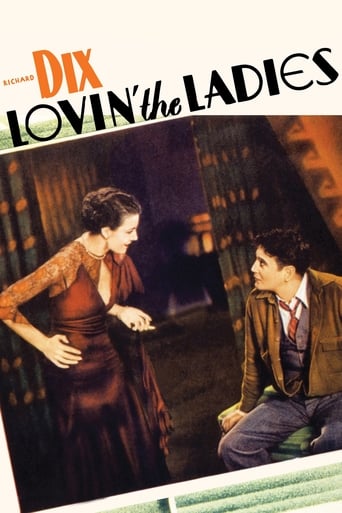
About Lois Wilson
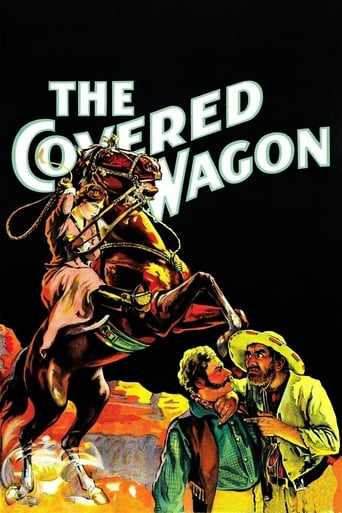
Prominent American actress who rose to stardom during the silent film era and successfully transitioned into talkies. Born in Pittsburgh, Pennsylvania, she began her career as a model in New York before being discovered by director Christy Cabanne, who brought her to Hollywood in 1916. Wilson signed with Paramount Pictures and quickly became one of the studio's most reliable leading ladies, known for her naturalistic acting style that stood in contrast to the exaggerated performances common in silent cinema. Throughout the 1920s, she appeared in numerous successful films, establishing herself as a versatile performer capable of handling both dramatic and comedic roles. Her performance in 'The Covered Wagon' (1923) as the strong-willed Molly Wingate became one of her most roles, helping establish the Western genre as a serious cinematic form. Unlike many of her contemporaries, Wilson successfully navigated the transition to sound films in the late 1920s, continuing her career through the early 1930s. She retired from acting in 1935 after appearing in over 200 films, choosing to focus on her family and philanthropic work. Wilson's legacy endures through her contributions to early American cinema and her role in helping define the naturalistic acting style that would become standard in later decades.
The Craft
On Screen
Wilson was known for her naturalistic and understated acting style, which was notably restrained compared to the exaggerated gestures typical of the silent era. She brought authenticity and emotional depth to her roles, using subtle facial expressions and body language to convey complex emotions. Her performances were characterized by a quiet strength and intelligence, making her particularly effective in dramatic roles requiring emotional nuance. Wilson's ability to adapt her style for sound films demonstrated her versatility and understanding of the changing medium.
Milestones
- Discovered by director Christy Cabanne while modeling in New York (1916)
- Signed contract with Paramount Pictures (1916)
- Breakthrough role in 'The End of the Game' (1919)
- Critically acclaimed performance in 'Miss Lulu Bett' (1921)
- Starred in epic Western 'The Covered Wagon' (1923)
- Successfully transitioned to sound films in late 1920s
- Appeared in over 200 films during her career
- Retired from acting in 1935
Best Known For
Iconic Roles
Must-See Films
Accolades
Special Recognition
- Hollywood Walk of Fame star (Motion Pictures, 6301 Hollywood Blvd)
Working Relationships
Worked Often With
Studios
Why They Matter
Impact on Culture
Lois Wilson played a significant role in shaping early American cinema, particularly during the transition from silent films to talkies. Her naturalistic acting style helped move the art form away from theatrical exaggeration toward more realistic performances, influencing generations of actors who followed. Her work in 'The Covered Wagon' helped establish the Western genre as a serious cinematic art form rather than mere entertainment. Wilson's successful transition to sound films demonstrated that silent film stars could adapt to new technology, challenging the industry's perception of many actors' limitations. As one of the few leading ladies of the silent era who maintained her stardom into the sound period, she served as a model for other actors facing similar transitions.
Lasting Legacy
Lois Wilson's legacy in film history is that of a actress who helped define naturalistic acting in early cinema. Her performances in over 200 films during a crucial period of cinematic development showcase the evolution of film acting from theatrical gestures to subtle, nuanced performances. Wilson's work remains studied by film historians and scholars interested in the development of screen acting techniques. Her successful navigation of the silent-to-sound transition serves as an important case study in film history, demonstrating adaptability and professionalism in an era of technological change. Though many of her films have been lost, her surviving work continues to be featured in film festivals and retrospectives celebrating early American cinema.
Who They Inspired
Wilson influenced subsequent generations of actors through her demonstration that subtlety and naturalism could be powerful tools in film performance. Her success in both silent and sound films showed that emotional truth transcended technological limitations in cinema. Many later actresses cited her ability to convey complex emotions without dialogue as an inspiration for their own approach to film acting. Her professional conduct and reliability on set also set standards for work ethics in the burgeoning film industry. Directors who worked with her often praised her understanding of camera techniques and her ability to adjust her performance for different filming methods, knowledge she shared with younger performers.
Off Screen
Lois Wilson married twice during her lifetime. Her first marriage was to director Elmer Clifton in 1915, which ended in divorce in 1921. In 1924, she married film executive Robert D. Towne, with whom she remained until his death in 1949. The couple had one daughter, Lois Towne. After retiring from acting, Wilson dedicated herself to charitable work and was actively involved in various philanthropic organizations. She was a founding member of the Hollywood Anti-Nazi League during the 1930s and continued her social activism throughout her life. Wilson spent her later years in Reno, Nevada, where she passed away at the age of 93.
Education
Attended Pennsylvania State College before moving to New York City to pursue modeling
Family
- Elmer Clifton (1915-1921)
- Robert D. Towne (1924-1949)
Did You Know?
- Discovered while working as a model for Butterick dress patterns
- Appeared in over 200 films during her 19-year career
- One of the few silent stars who successfully transitioned to talkies
- Was a founding member of the Hollywood Anti-Nazi League in the 1930s
- Her performance in 'The Covered Wagon' helped establish the Western as a serious film genre
- Retired from acting at the height of her career to focus on family
- Was known for her professionalism and reliability, never missing a day of shooting
- Attended Pennsylvania State College before pursuing entertainment career
- Her star on the Hollywood Walk of Fame is located at 6301 Hollywood Blvd
- After retiring, she became involved in numerous charitable organizations
- Was one of the highest-paid actresses of the early 1920s
- Her natural acting style was considered revolutionary for the silent era
In Their Own Words
I never wanted to be a star, just a good actress. The fame was incidental to the work I loved.
In silent pictures, we had to say everything with our eyes. In talkies, we sometimes forget how much can be said without words.
The transition to sound wasn't as difficult for some of us because we never relied on exaggerated gestures. We always tried to be natural on screen.
Frequently Asked Questions
Who was Lois Wilson?
Prominent American actress who rose to fame during the silent film era and successfully transitioned into talkies. She appeared in over 200 films between 1916 and 1935, becoming known for her naturalistic acting style and versatility in both dramatic and comedic roles.
What films is Lois Wilson best known for?
Titles linked here include The Covered Wagon (1923), Miss Lulu Bett (1921).
When was Lois Wilson born and when did she die?
Born June 28, 1894; died March 3, 1988.
What awards did Lois Wilson win?
While Lois Wilson did not receive major awards like Academy Awards during her career, she was honored with a star on the Hollywood Walk of Fame at 6301 Hollywood Blvd for her contributions to motion pictures.
What was Lois Wilson's acting style?
Wilson was known for her naturalistic and understated acting style, which was notably restrained compared to the exaggerated performances typical of the silent era. She used subtle facial expressions and body language to convey complex emotions, bringing authenticity and emotional depth to her roles.
How did Lois Wilson transition from silent films to talkies?
Unlike many of her contemporaries, Wilson successfully navigated the transition to sound films in the late 1920s. Her naturalistic acting style, which didn't rely on exaggerated gestures, helped her adapt to the new medium, allowing her to continue her career through the early 1930s before retiring in 1935.