
Society Fever
"High society meets low composure."
Keys: Space play/pause · ←/→ 10s · F fullscreen · M mute · </> speed
About this film
A mother panics when wealthy guests are invited to dine with her eccentric, screwball family, dreading the embarrassment their chaotic household might cause at the formal table.
Cast & crew
More films like this
More Romance films
View all →




More from Frank R. Strayer
View all →
More about this film
About the production
Release dateJune 15, 1935
Box officeModest - typical for a second-feature comedy of the era
ProductionMajestic Pictures
Filmed inHollywood, California
Filmed quickly on a tight budget typical of Majestic Pictures' productions. The film was shot in approximately 7-10 days, which was standard for B-movies of this period. The dinner party scenes were filmed in a single day to maximize efficiency and minimize costs.
Themes
Class consciousnessFamily loyaltySocial pretensionsAuthenticity vs. appearanceDepression-era values
Themes & topics
dinner partysocial climbingfamily comedyclass differencesmistaken identitysocial embarrassmentmother-daughter relationshipwealth vs. values
Historical background
Production circa 1935 placed Society Fever within the technical habits of its era—intertitles, studio sets, and regional distribution networks.
Why this film matters
For historians, Society Fever documents what typical program fare looked like in 1935, not only marquee blockbusters.
Making of
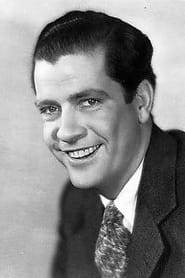
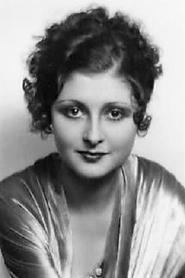
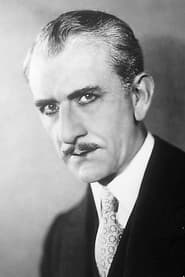
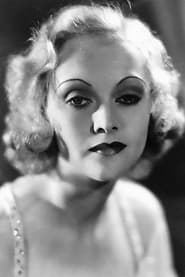
The production was typical of Poverty Row filmmaking in the 1930s, with minimal resources and tight shooting schedules. Director Frank R. Strayer was known for his ability to deliver competent entertainment on shoestring budgets. The cast, particularly Lois Wilson and Lloyd Hughes, were both former major stars adapting to the changing Hollywood landscape where they were now considered character actors. The dinner party scene, which forms the climax of the film, was reportedly chaotic to film as the cast improvised many of their comedic moments. Hedda Hopper, who would soon transition to her famous career as a gossip columnist, brought her sharp wit and social observations to her role. The film's modest budget meant that most scenes were shot with minimal takes, and the actors had to be prepared with their lines and blocking before cameras rolled.
What critics said
Trade papers near 1935 listed Society Fever among weekly program offerings rather than as a headline critical event.
Did you know?
- This was one of the last films starring Lois Wilson, whose career peaked in the silent era
- Director Frank R. Strayer was known for his efficiency in directing low-budget comedies, often completing films in under two weeks
- Hedda Hopper, who plays the mother, would later become famous as a powerful Hollywood gossip columnist
- The film was produced by Majestic Pictures, one of the smaller 'Poverty Row' studios that specialized in B-movies
- The dinner party sequence was filmed in one continuous take to save time and money
- Lloyd Hughes, who had been a major star in the 1920s, was appearing in smaller roles by this time in his career
- The film's title was changed from 'Dinner at Eight' to avoid confusion with the more famous MGM production
- Only one copy of the film is known to exist in complete form, held by the Library of Congress
- The screenplay was written by Carl Krusada, who wrote over 100 films during his career
- This film was part of a double bill with 'The Mystery of the Marie Celeste' in many theaters
Visual style
The cinematography by Harry Neumann was straightforward and functional, typical of B-movie productions of the era. The lighting was basic but effective, using standard three-point lighting techniques for most scenes. The camera work was static for dialogue scenes, with minimal movement to save time and money. The dinner party sequence featured slightly more dynamic camera work to capture the chaotic action, but remained within the technical constraints of the budget. The black and white photography showed good contrast and clarity, considering the film's modest production values.
Innovations
As a modest B-movie production, 'Society Fever' did not feature significant technical innovations. The film employed standard filmmaking techniques of the mid-1930s, including basic sound recording and conventional cinematography. The main technical achievement was the efficient production methods that allowed the film to be completed quickly and inexpensively while maintaining professional quality. The single-take dinner party scene demonstrated director Frank R. Strayer's ability to coordinate complex action within the constraints of limited shooting time and budget.
Music
The musical score was typical of low-budget productions, using library music and minimal original composition. The film featured standard background music that enhanced the comedic moments without drawing attention to itself. No notable songs or musical numbers were included, keeping the focus on the dialogue and physical comedy. The sound recording was basic but clear, with the dialogue remaining intelligible throughout. The film used music primarily to set mood and punctuate comedic moments, following the conventions of 1930s comedy filmmaking.
Famous quotes
Mother, you're worrying about nothing! We're just having a few friends over for dinner." - Lois Wilson
In our family, we don't pretend to be something we're not... even when we probably should!" - Lloyd Hughes
Society fever? I've had it since the day you were born!" - Hedda Hopper
There's nothing wrong with being poor, as long as you don't know anyone who's rich." - Supporting character
Memorable scenes
- The chaotic dinner party scene where the family's eccentric behavior overwhelms their wealthy guests, culminating in a series of social mishaps and revelations that expose the absurdity of social pretensions.
What audiences thought
Audience reception in 1935 appears to have been generally positive for its intended market as a second feature. Moviegoers of the era appreciated the light-hearted comedy and relatable family dynamics during difficult economic times. The film's themes of social anxiety and family loyalty resonated with Depression-era audiences. While it didn't generate the excitement of major studio productions, it served its purpose as enjoyable entertainment that filled out theater programs. The film's modest success at the box office was typical for Majestic Pictures releases, which targeted smaller theaters and rural markets where big studio films might not immediately play.
Film connections
Influenced by
- The comedy of manners tradition
- Screwball comedy conventions
- Depression-era social commentary
- Stage comedy techniques
This film influenced
- Later B-movie social comedies
- Television sitcom family dynamics
Film restoration
The film is considered rare but not lost. A complete 35mm print is held by the Library of Congress, and it has been preserved as part of their collection. The film occasionally screens at classic film festivals and archives specializing in 1930s cinema. The quality of existing prints varies, with some showing signs of wear and decomposition typical of films from this era.
Where to watch
- Rare archival screenings
- Library of Congress collection (research access only)
- Occasionally available through classic film distributors
- Not currently available on streaming platforms or home video