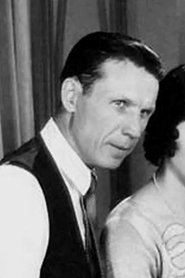
Frank R. Strayer
Director
Born: September 13, 1891 in Princeton, Indiana, USA Died: May 5, 1964 Active: 1920s-1940s
Films
5 films

About Frank R. Strayer
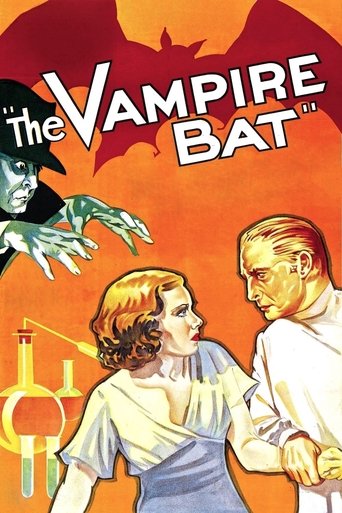
American film director: career stretched from the silent era into the early sound period, where he became a prolific craftsman of low-budget features, comedies, mysteries, and genre pictures. He is best remembered today for directing early horror material such as The Vampire Bat (1933), a compact atmospheric thriller that has remained one of his most discussed films among classic horror fans. Strayer also worked extensively in comedy and melodrama, directing numerous films in the late 1920s and 1930s for the studio system, often at a brisk pace and with an emphasis on clear storytelling over visual flourishes. His filmography suggests a director who was valued for reliability, efficiency, and an ability to deliver commercially useful entertainment across multiple genres rather than for a single auteur signature. He was active during a transitional time in Hollywood, when directors had to adapt from silent storytelling to dialogue-heavy production, and Strayer successfully remained employed throughout that shift. Although he was never among the most celebrated directors of his era, his body of work reflects the practical backbone of studio-era filmmaking. Because surviving biographical documentation is limited, many personal details about his private life are not well recorded in standard film references.
The Craft
Behind the Camera
Strayer’s directing style appears to have been practical, economical, and serviceable to the needs of studio production rather than overtly decorative or self-conscious. He generally favored straightforward narrative clarity, allowing stories and performances to move efficiently, which was especially valuable in programmers and lower-budget features. In his horror work, particularly The Vampire Bat, he demonstrated an ability to create eerie atmosphere with modest resources, using lighting, sets, and pacing to compensate for limited budgets. Across his films, he seems to have emphasized pacing and accessibility, traits that made him useful to studios producing a high volume of pictures. His work reflects the professional craftsmanship of many working directors of the era whose names were less famous than the stars they directed, yet whose films helped define classic Hollywood’s everyday output.
Milestones
- Directed The Vampire Bat (1933), a memorable early sound horror film that has endured as one of his best-known titles
- Built a substantial career directing studio-era features across comedy, mystery, melodrama, and genre entertainment
- Worked steadily through the silent-to-sound transition, demonstrating adaptability in a rapidly changing industry
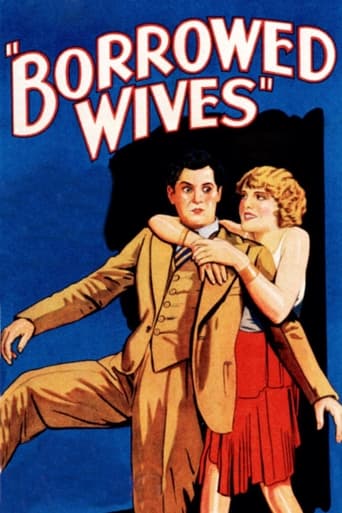
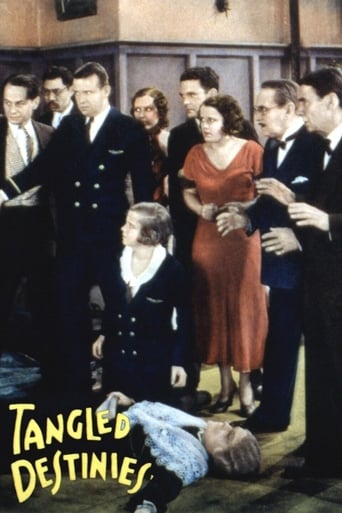
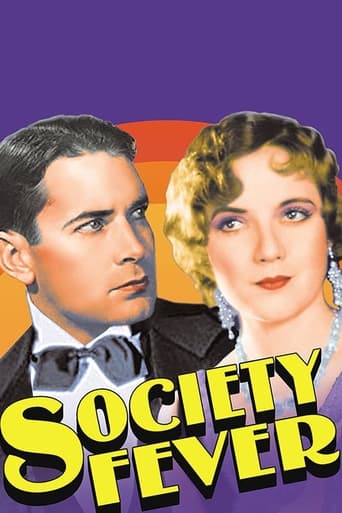
- Directed films such as Borrowed Wives (1930), Tangled Destinies (1932), In the Money (1933), and Society Fever (1935)
- Established a reputation as a dependable Hollywood director for efficient, commercially minded productions
Best Known For
Must-See Films
Working Relationships
Worked Often With
Studios
Why They Matter
Impact on Culture
Frank R. Strayer’s cultural impact lies less in auteur prestige than in the durable presence of his films within classic Hollywood’s vast middle tier of production. Directors like Strayer were essential to the studio system because they delivered genre entertainment that kept theaters supplied with new product, including comedies, mysteries, melodramas, and horror pictures. The Vampire Bat has given him his most lasting cultural footprint, as modern horror historians and fans continue to revisit the film for its moody visuals and early sound-era atmosphere. His broader body of work also helps illustrate how Hollywood functioned beyond the marquee names: through a network of efficient craftsmen who turned scripts into finished pictures on schedule. In that sense, Strayer represents the practical artistry of early sound-era directing and the industrial rhythm that sustained classic American cinema.
Lasting Legacy
Strayer’s legacy is that of a reliable and versatile studio director whose films remain part of the historical texture of early Hollywood. While he did not become a major public brand in the way that star directors did, his work is valuable to film historians because it shows how genre cinema was produced in the early sound era. The Vampire Bat, in particular, keeps his name alive in horror scholarship and classic-film programming, where it is appreciated as an atmospheric example of pre-Code genre filmmaking. His career also serves as a reminder that classic cinema was built not only by celebrated auteurs but by a large class of competent directors whose steady labor shaped the industry’s output. For viewers and researchers, Strayer’s filmography offers a window into the craftsmanship, limitations, and ingenuity of early 1930s studio filmmaking.
Who They Inspired
Strayer’s influence is primarily indirect and institutional rather than stylistic in a grand auteur sense. He helped demonstrate how directors could work effectively across genres while maintaining productivity and keeping costs under control, a model that influenced the professional expectations placed on studio directors. His horror work, especially The Vampire Bat, contributed to the visual and tonal language of early low-budget horror, where atmosphere and suggestion often mattered more than spectacle. Later filmmakers and historians who study the development of B-horror and studio programmers can see in his films an example of efficient genre storytelling under production constraints. His career also reflects the broader influence of the studio system itself, where adaptability and craftsmanship were often more important than individual fame.
Off Screen
Publicly available information about Frank R. Strayer’s personal life is limited in standard classic-cinema reference sources. He does not appear to have been a figure whose off-screen life generated much publicity, and surviving summaries of his career focus primarily on his film work rather than his family or social life. As a result, details such as marriages, children, and household life are not consistently documented in widely accessible film histories. He is best remembered as a working studio director rather than as a celebrity personality, which likely contributed to the scarcity of personal biographical material.
Education
No well-documented educational background is commonly cited in standard references.
Did You Know?
- Frank R. Strayer is best remembered today for The Vampire Bat (1933), which has outlived much of his other output in horror-film memory.
- He worked successfully during the transition from silent films to talkies, a period that eliminated many directors who could not adapt.
- His filmography includes comedies, melodramas, and horror, showing unusual versatility for a director often associated with programmers.
- He was active in an era when many directors worked quickly under studio deadlines, and his career suggests he was valued for efficiency.
- Despite a substantial career, he is not widely documented in popular biographies, making him a somewhat obscure but important studio-era figure.
- The Vampire Bat has become a recurring title in horror retrospectives, helping preserve his name among genre enthusiasts.
- His credited filmography reflects the kind of work that made up much of Hollywood’s everyday output, even when not considered prestige cinema.
- He is one of many classic-era directors whose contributions are better understood through their films than through extensive personal records.
Frequently Asked Questions
Who was Frank R. Strayer?
American on YTB.my. He is especially remembered by classic horror fans for The Vampire Bat (1933), one of his best-known surviving titles.
What films is Frank R. Strayer best known for?
Titles linked here include The Vampire Bat (1933), Borrowed Wives (1930).
When was Frank R. Strayer born and when did he die?
Born September 13, 1891; died May 5, 1964.
What awards did Frank R. Strayer win?
No major awards or high-profile honors are widely documented for Frank R. Strayer in standard classic-cinema references. His reputation rests more on steady studio craftsmanship and the enduring interest in a few of his films than on formal accolades.
What was Frank R. Strayer's directing style?
Strayer’s style was practical, efficient, and geared toward clear storytelling within the constraints of studio production. In his better-known horror work, he showed an ability to create atmosphere and suspense with modest resources, relying on pacing and visual mood rather than extravagance.
What was Frank R. Strayer's legacy in film history?
His legacy lies in being one of the many hardworking directors who kept the studio system functioning at a high level of output. While not a household name, he remains relevant to historians because his films reflect the industrial realities and genre development of early Hollywood.