

Borrowed Wives
"Uncle happens live haunted."
Keys: Space play/pause · ←/→ 10s · F fullscreen · M mute · </> speed
About this film
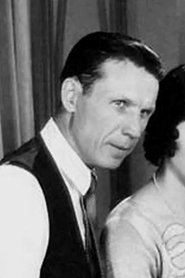
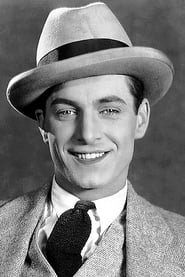
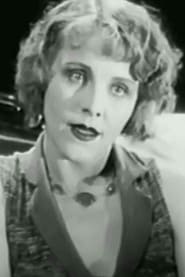
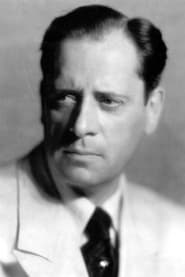
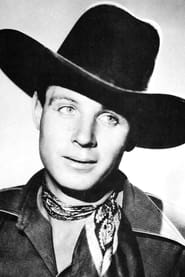
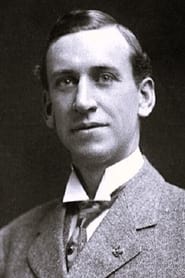
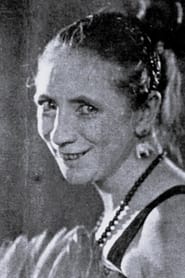
Peter has to be married by midnight or else his inheritance goes to his uncle... Who happens to live in a "haunted house". It stars silent performers Vera Reynolds, Rex Lease, and Sam Hardy.
Cast & crew
More films like this
More Comedy films
View all →







More from Frank R. Strayer
View all →
More about this film
About the production
Release dateNovember 16, 1930
ProductionAction Pictures
Filmed inLos Angeles, California
Filmed during the early transition period from silent films to talkies, this production utilized the new sound technology while still incorporating some visual comedy techniques from the silent era. The haunted house sequences were likely filmed on studio sets, as was common practice for the time.
Themes
Marriage and inheritanceTime pressure and deadlinesDeception and mistaken identitySupernatural vs. rationalClass and family dynamics
Themes & topics
Historical background
Production circa 1930 placed Borrowed Wives within the technical habits of its era—intertitles, studio sets, and regional distribution networks.
Why this film matters
Surviving prints of Borrowed Wives help researchers study how 1930-era filmmakers solved storytelling with limited means.
Making of
The production of 'Borrowed Wives' took place during a pivotal moment in Hollywood history as the industry fully embraced sound technology. Director Frank R. Strayer, having begun his career in silent films, had to adapt his directing style to accommodate microphones and dialogue recording. The cast, particularly Rex Lease, had successfully transitioned from silent to sound films, which was not the case for many actors of the era. The haunted house sets were likely constructed on studio backlots, using the same techniques that would later become standard in horror films. The comedy timing had to be adjusted for the new medium, as visual gags that worked in silent films often needed to be supplemented or replaced with verbal humor.
What critics said
Specialist writers today emphasize preservation and access when a viewable copy of Borrowed Wives survives.
Did you know?
- This film was released during the early sound era when many studios were still experimenting with dialogue and sound effects in comedies
- Director Frank R. Strayer was a prolific filmmaker who directed over 100 films between 1920 and 1950
- The film's premise of a marriage deadline was a common trope in early 1930s comedies, reflecting societal concerns about marriage and inheritance
- Rex Lease was a popular leading man in B-movies during the late 1920s and 1930s, often appearing in action and comedy films
- The haunted house element combines comedy with the popular horror/mystery genre that was gaining traction in early sound cinema
- This film was likely made on a modest budget, typical of many productions from smaller studios during the Depression era
- The runtime of 66 minutes was standard for second-feature films of this period
Visual style
The cinematography by Arthur Martinelli likely utilized the standard techniques of early sound films, with relatively static camera positions to accommodate microphone placement. The lighting would have been designed to create atmosphere in the haunted house sequences while maintaining visibility for the comedy scenes. The visual style would have been more functional than artistic, typical of programmer films of the era. The black and white photography would have emphasized shadows and contrasts in the haunted house settings, creating the appropriate mood while still allowing the comedy to remain visible.
Innovations
As an early sound film, 'Borrowed Wives' represents the technical capabilities of the period, including improved sound recording over the first experimental talkies. The film would have used the Western Electric sound-on-film system or similar technology. The production would have faced the technical challenges of recording dialogue in various settings, including the potentially difficult acoustics of haunted house sets. The film demonstrates the industry's progress in synchronizing sound with picture and achieving better audio quality than the first generation of talkies.
Music
The musical score would have been typical of early sound comedies, featuring light, upbeat music during comedic scenes and more mysterious, atmospheric music during the haunted house sequences. As was common in 1930, the film likely included musical numbers or at least musical accompaniment throughout. The sound design would have been relatively basic, focusing on clear dialogue recording and essential sound effects. The transition from silent to sound meant that many films of this period were still experimenting with how to effectively use music and sound to enhance comedy.
Famous quotes
I must be married by midnight or lose everything!
This house isn't haunted - it's just full of trouble!
Memorable scenes
- The climactic race to the altar as the clock approaches midnight
- Peter's various failed attempts to find a bride throughout the day
- The spooky haunted house sequences where the uncle plots his interference
- The final resolution where all misunderstandings are cleared up
What audiences thought
Audience reception in 1930 was likely moderate, as the film served as second-feature entertainment in double bills. The comedy elements and familiar plot devices would have provided the escapist entertainment that Depression-era audiences sought. The combination of romance, comedy, and mystery elements was designed to appeal to broad tastes. However, as a lower-budget production from a smaller studio, it would not have generated the excitement or word-of-mouth of major studio releases. Modern audience awareness is limited due to the film's rarity and lack of home video distribution.
Film connections
Influenced by
- Silent film comedies
- Stage farce traditions
- Early sound comedy experiments
- Gothic horror tropes
Film restoration
The preservation status of 'Borrowed Wives' is uncertain, like many films from smaller studios of this era. It may exist in film archives or private collections, but it has not been widely available for home viewing or theatrical revival. Many films from this period, particularly from smaller production companies, have been lost due to the unstable nitrate film stock used at the time. If copies exist, they would likely require restoration work due to age and deterioration.
Where to watch
- Currently not widely available on streaming platforms or home video
- May be accessible through film archives or specialized classic film collections
- Possible viewing through film preservation societies or classic film festivals
- Check with the Library of Congress or major film archives for potential access