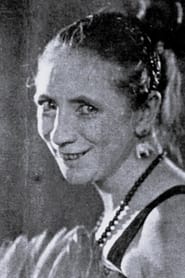
Dorothea Wolbert
Actor
Born: April 25, 1878 in Philadelphia, Pennsylvania, USA Died: September 15, 1958 Active: 1916-1930
Films
5 films
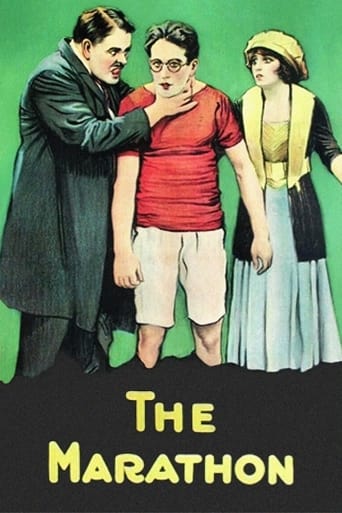
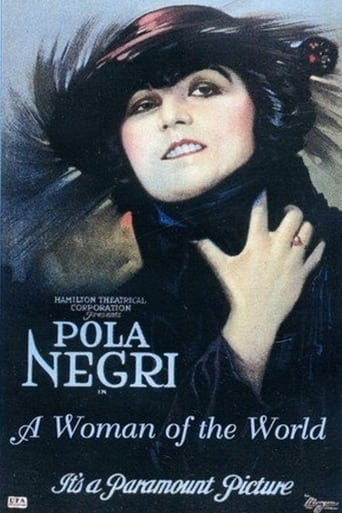
About Dorothea Wolbert
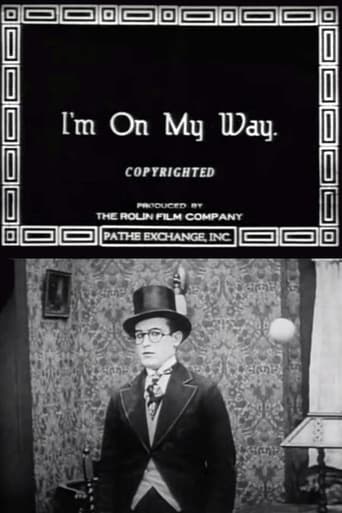
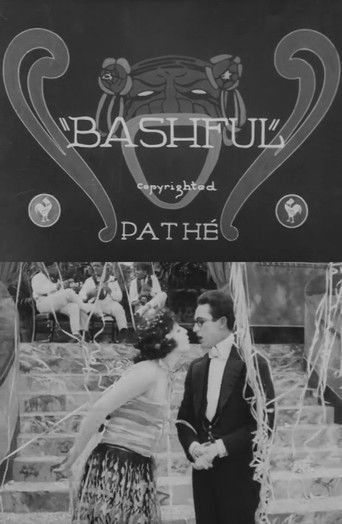
Dorothea Wolbert was cast in over 100 films between 1916 and 1930. Born in Philadelphia in 1878, she began her film career in her late thirties and quickly established herself as a reliable supporting player, often cast as mothers, elderly women, or providing comic relief. Wolbert worked extensively with comedy giants Charlie Chaplin and Buster Keaton, appearing in several of their most celebrated films including 'The Kid,' 'The Gold Rush,' 'The Circus,' 'The General,' and 'The Navigator.' Her distinctive appearance and expressive acting style made her a recognizable face in Hollywood during the transition from silent films to early talkies. While she never achieved leading lady status, her consistent work ethic and versatility kept her steadily employed throughout the 1920s. Her career waned with the advent of sound, and she made her final film appearance in 1930 before retiring from the industry.
The Craft
On Screen
Wolbert specialized in character acting, using her expressive face and physical comedy skills to memorable effect. She excelled at portraying maternal figures, eccentric elderly women, and comic relief characters. Her performances were marked by a naturalistic quality that complemented the slapstick style of the comedians she worked with, particularly in her collaborations with Chaplin and Keaton.
Milestones
- Film debut in the mid-1910s
- Regular collaborator with Charlie Chaplin in multiple classic films
- Frequent supporting actress in Buster Keaton comedies
- Appeared in over 100 films during her 14-year career
- Successfully transitioned from silent films to early talkies
Best Known For
Iconic Roles
Must-See Films
Working Relationships
Worked Often With
Studios
Why They Matter
Impact on Culture
Dorothea Wolbert contributed significantly to the golden age of silent comedy through her supporting roles in some of the era's most beloved films. While never a star herself, her performances enhanced the works of comedy legends like Chaplin and Keaton, helping to create some of cinema's most enduring comedic moments. Her ability to portray believable maternal and elderly characters provided emotional depth and contrast to the physical comedy of her leading men.
Lasting Legacy
Wolbert's legacy lies in her extensive filmography that serves as a valuable record of silent era comedy. Her appearances in multiple Chaplin and Keaton classics ensure that she remains visible to film historians and enthusiasts studying the supporting players who contributed to these masterpieces. She represents the countless character actors who were essential to Hollywood's studio system during the silent era.
Who They Inspired
As a character actress, Wolbert influenced subsequent generations of supporting players through her demonstrated ability to enhance comedic scenes without overshadowing the stars. Her work showed how effective character acting could elevate comedy films and provided a template for future actresses specializing in maternal and elderly roles.
Off Screen
Dorothea Wolbert remained unmarried throughout her life and dedicated herself primarily to her acting career. She was known in Hollywood circles as a private individual who rarely discussed her personal life in interviews. After retiring from films in 1930, she lived a quiet life away from the public eye in Los Angeles until her death in 1958 at the age of 80.
Education
Limited information available about her formal education, though she likely received some theatrical training before entering films
Did You Know?
- Appeared in over 100 films in just 14 years
- Worked with both Charlie Chaplin and Buster Keaton multiple times
- Was already in her late 30s when she began her film career
- Often without on-screen billing in her early film roles
- Successfully made the transition from silent films to talkies
- Never married or had children
- Retired from acting at age 52
- Spent her final years living quietly in Los Angeles
- Was one of the few actresses to work with both major silent comedy stars
- Her distinctive appearance made her easily recognizable to silent film audiences
In Their Own Words
No documented famous quotes from Dorothea Wolbert, as was common for supporting actors of her era
Frequently Asked Questions
Who was Dorothea Wolbert?
Screen credits include over 100 silent films and early talkies between 1916 and 1930. She was best known for her supporting roles in classic comedies alongside Charlie Chaplin and Buster Keaton, often playing mothers and elderly women.
What films is Dorothea Wolbert best known for?
Titles linked here include The Kid (1921), The Gold Rush (1925).
When was Dorothea Wolbert born and when did she die?
Born April 25, 1878; died September 15, 1958.
What awards did Dorothea Wolbert win?
Dorothea Wolbert did not receive any major awards or nominations during her career, which was common for supporting character actors of the silent era.
What was Dorothea Wolbert's acting style?
Wolbert specialized in character acting with an emphasis on expressive facial work and physical comedy. She excelled at portraying maternal figures and elderly women, providing emotional depth and comic relief in the films of comedy legends like Chaplin and Keaton.
How many films did Dorothea Wolbert appear in?
Dorothea Wolbert appeared in over 100 films during her 14-year career from 1916 to 1930, making her one of the more prolific character actresses of the silent era.
Did Dorothea Wolbert transition to sound films?
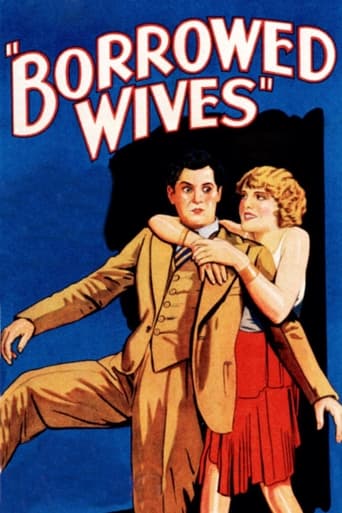
Yes, Wolbert successfully made the transition from silent films to early talkies, with her final film appearance being 'Borrowed Wives' in 1930, though she retired shortly after the sound revolution began.