
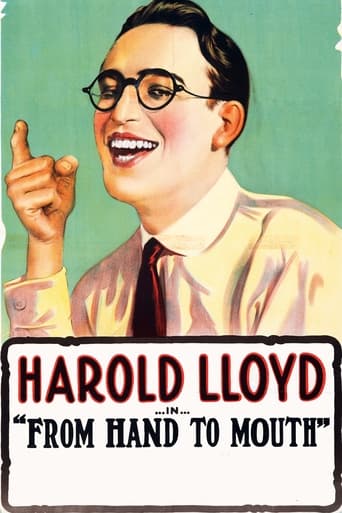
I'm on My Way
"Clad in formal attire"
Keys: Space play/pause · ←/→ 10s · F fullscreen · M mute · </> speed
About this film
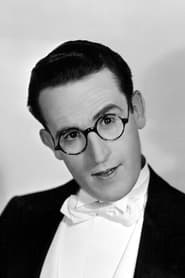
Clad in formal attire, he meets his impatient and domineering bride-to-be outside a bridal shop. She is annoyed because The Boy is about a minute late. She buys an enormous amount of last-minute items which The Boy has great difficulty carrying back to her home.
Cast & crew
More films like this
More Comedy films
View all →







More from Hal Roach
View all →

More about this film
About the production
Release dateMarch 30, 1919
ProductionHal Roach Studios
Filmed inLos Angeles, California
This was one of Harold Lloyd's early short comedies produced during his formative years at Hal Roach Studios. The film was typical of the two-reel comedies that were popular during the silent era, running approximately 20-25 minutes. The production would have been filmed quickly and efficiently, as Roach's studio was known for its high output of comedy shorts during this period.
Themes
Romantic complicationsFamily chaosWedding anxietySocial class differencesComedy of errors
Themes & topics
Historical background
I'm on My Way (1919) emerged during the silent-film era. Clad in formal attire, he meets his impatient and domineering bride-to-be outside a bridal shop. Archival records and catalog entries help place the work within film-history surveys of the period.
Why this film matters
Preserved under Wikidata ID Q5967116, I'm on My Way is valued as a comedy within catalog and archive collections. Wikipedia's "I'm on My Way (film)" entry connect it to broader histories of cinema exhibition and restoration.
Making of
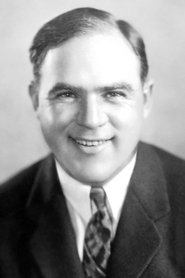
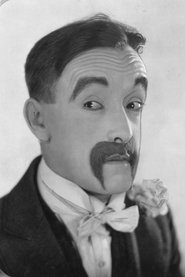
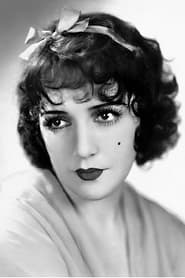
The production of 'I'm on My Way' took place during a busy period at Hal Roach Studios, where the team was churning out multiple comedy shorts each month. Harold Lloyd was developing his signature character during this time, moving away from the Chaplin-influenced 'Lonesome Luke' persona toward the more ambitious, optimistic character that would become his trademark. The collaboration between Lloyd and 'Snub' Pollard represented the ensemble comedy approach that Roach favored early in his career, before realizing Lloyd's potential as a solo star. Bebe Daniels, who had been working with Lloyd since 1915, was becoming increasingly popular and would soon leave Roach Studios for a lucrative contract with Paramount Pictures. The film likely featured the typical Roach Studios approach of combining scripted gags with improvisational comedy, allowing the performers to contribute to the humor based on their established personas.
What critics said
Trade and archival sources offer limited day-one review coverage for I'm on My Way. Modern reception rests on its availability in collections, repertory screenings, and reference works that document 1919 cinema.
Did you know?
- This film was released during Harold Lloyd's transition period from his earlier 'Lonesome Luke' character to the more recognizable 'Glasses Character' that would make him famous.
- Harry 'Snub' Pollard was a frequent collaborator with Harold Lloyd in the early days, appearing in numerous shorts together before Lloyd became the solo star.
- Bebe Daniels was one of Lloyd's most frequent co-stars during this period, appearing in over 15 films together between 1915-1919.
- The film was produced during the height of the Spanish Flu pandemic, which affected film production across Hollywood in 1919.
- Hal Roach Studios was known as 'The Lot of Fun' during this era, producing hundreds of comedy shorts annually.
- This was one of the last films where Lloyd shared significant screen time with other comedy stars before he became the undisputed lead in his films.
- The original film negatives were likely stored on nitrate film stock, which was highly flammable and led to the loss of many silent films.
- 1919 was a pivotal year for silent comedy, with Charlie Chaplin, Buster Keaton, and Harold Lloyd all establishing their distinctive styles.
Visual style
The cinematography in 'I'm on My Way' would have been typical of 1919 comedy shorts, utilizing stationary cameras with occasional tracking shots to follow the action. The film was likely shot in black and white on 35mm film stock, with the standard aspect ratio of the silent era. Visual gags would have been carefully composed within the frame, taking advantage of the two-dimensional medium. Lighting would have been basic but effective, using the natural sunlight available on outdoor sets and artificial lighting for interior scenes. The camera work would have focused on clearly capturing the physical comedy and facial expressions that were crucial to silent film storytelling.
Innovations
While 'I'm on My Way' was not a technically groundbreaking film, it utilized the standard filmmaking techniques of 1919 effectively. The film would have employed continuity editing to maintain narrative flow, intertitles to provide dialogue and exposition, and carefully timed physical comedy sequences. The production likely used the Mitchell camera, which was becoming standard in Hollywood during this period. The film represents the refinement of comedy filmmaking techniques that had been developing since the early 1910s, showing more sophisticated gag construction and pacing than earlier comedy shorts.
Music
As a silent film, 'I'm on My Way' would have been accompanied by live musical performance during its original theatrical run. The typical accompaniment would have included a pianist or small theater orchestra providing background music synchronized with the on-screen action. The music would have included popular songs of 1919, classical pieces adapted for comedic effect, and original improvisation to enhance the emotional and comedic moments. No original score was composed specifically for the film, as was common practice for short comedies of this era. The musical accompaniment would have varied from theater to theater, with larger venues providing more elaborate orchestral support.
Famous quotes
(Silent film - no spoken dialogue, but intertitles would have included romantic declarations and comedic exchanges)
Memorable scenes
- The chaotic introduction to Snub Pollard's family clan, where Harold Lloyd's character is overwhelmed by the constant noise and activity
- The frantic wedding preparation sequence where Harold tries to maintain order amid increasing chaos
- The climactic scene where Harold must choose between his wedding plans and helping the Pollards resolve their latest disaster
What audiences thought
Audiences in 1919 responded positively to 'I'm on My Way,' as it delivered the combination of romance and slapstick humor that was popular with moviegoers of the era. Harold Lloyd was building a substantial fan base during this period, and his films consistently drew good crowds. The presence of Bebe Daniels, who was becoming increasingly popular with audiences, added to the film's appeal. The film's premise of wedding complications was relatable to contemporary audiences while providing ample opportunities for physical comedy. Like most of Lloyd's shorts from this period, it likely played well in both urban theaters and smaller venues across America.
Film connections
Influenced by
- Charlie Chaplin's early shorts
- Mack Sennett comedies
- Max Linder's romantic comedies
- Earlier Harold Lloyd films
This film influenced
- Later Harold Lloyd romantic comedies
- Hal Roach Studio comedies of the 1920s
- Romantic comedy shorts of the silent era
Film restoration
The preservation status of 'I'm on My Way' (1919) is uncertain. Many silent films from this period have been lost due to the deterioration of nitrate film stock and lack of preservation efforts in the early decades of cinema. Some Harold Lloyd shorts from this era have survived through archives and private collections, but the specific availability of this title is not well documented. The Harold Lloyd Trust has worked to preserve and restore many of his films, but this particular short may be among the lesser-known titles that are difficult to access.
Where to watch
- Currently, 'I'm on My Way' (1919) is not widely available on major streaming platforms. It may occasionally appear in silent film festivals or specialized archives. The Harold Lloyd Estate and film archives such as the Library of Congress or the Museum of Modern Art may hold copies for research purposes. Some rare film dealers or silent film enthusiasts might have access to 16mm or digital copies, but general public availability is extremely limited.