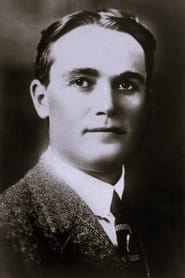
James Morrison
Actor
Born: November 15, 1888 in Mattoon, Illinois, USA Died: November 15, 1974 Active: 1911-1924 Birth Name: James William Morrison
Films
7 films
About James Morrison
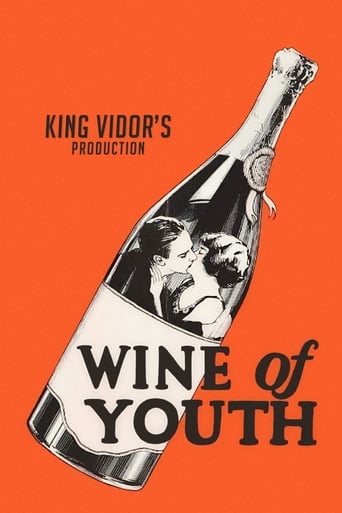
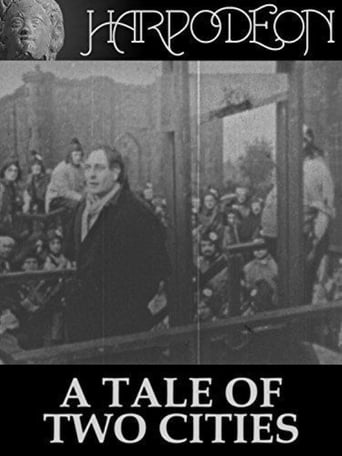
American actor who rose to prominence during the silent film era, beginning his career in 1911 with the early adaptation of 'A Tale of Two Cities.' He quickly established himself as a reliable leading man and character actor, appearing in numerous shorts and features throughout the 1910s. Morrison's career peaked in the early 1920s when he starred in notable productions such as 'Wine of Youth' (1924) and 'Captain Blood' (1924), showcasing his versatility in both dramatic and swashbuckling roles. He worked with several prominent directors of the era and was known for his naturalistic acting style that helped transition from the more theatrical performances of early cinema. As the film industry evolved with the advent of sound, Morrison's career began to wane, and he made his final film appearances in the mid-1920s. Despite his relatively short career span, Morrison contributed significantly to the development of cinematic acting techniques during the transitional period of American cinema. His performances remain valuable examples of silent era craftsmanship and the evolution of film acting.
The Craft
On Screen
Morrison was known for his naturalistic and understated acting style, which was progressive for the silent era. He avoided the exaggerated gestures and melodramatic expressions common in early cinema, instead favoring subtle facial expressions and restrained body language. His performances often conveyed emotion through his eyes and slight gestures, making his work feel more authentic and relatable to audiences. This approach helped bridge the gap between theatrical acting and the more realistic style that would become standard in later cinema.
Milestones
- Film debut in 'A Tale of Two Cities' (1911)
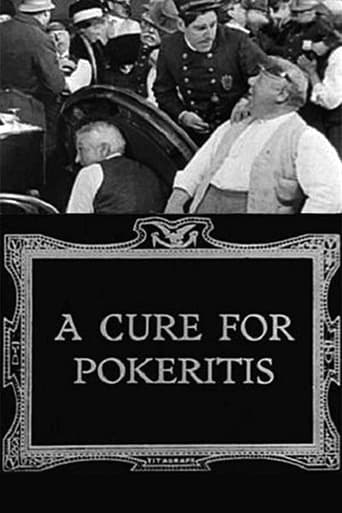
- Starred in comedy short 'A Cure for Pokeritis' (1912)
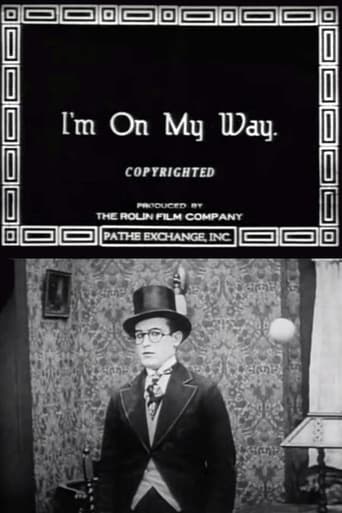
- Leading role in 'I'm on My Way' (1919)
- Featured in 'Wine of Youth' (1924)
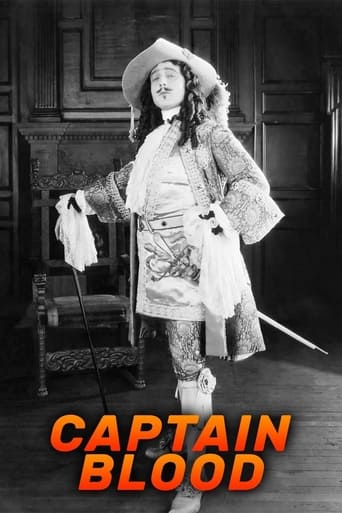
- Appeared in 'Captain Blood' (1924)
Best Known For
Iconic Roles
Must-See Films
Accolades
Special Recognition
- Pioneer of silent cinema acting
Working Relationships
Worked Often With
Studios
Why They Matter
Impact on Culture
James Morrison contributed to the evolution of acting styles in early American cinema, particularly in the transition from theatrical to more naturalistic performances. His work in films like 'A Cure for Pokeritis' helped establish the template for comedy shorts that would become popular throughout the silent era. Morrison's performances demonstrated the potential for subtlety and realism in film acting, influencing subsequent generations of actors who would further refine these techniques. His appearances in literary adaptations like 'A Tale of Two Cities' also helped establish the practice of bringing classic literature to the silver screen.
Lasting Legacy
Though largely forgotten today, James Morrison represents an important transitional figure in early Hollywood cinema. His body of work serves as a valuable record of the development of film acting techniques during the silent era. Morrison's films are studied by film historians and scholars interested in the evolution of cinematic performance. His career trajectory also reflects the challenges many silent era actors faced with the advent of sound cinema, making his story representative of a broader industry transformation. The preservation of his films continues to provide insight into early 20th century American culture and the birth of the film industry.
Who They Inspired
Morrison's naturalistic acting style influenced other silent era actors who sought to move beyond theatrical conventions. His work in comedy shorts helped establish pacing and timing techniques that would become standard in film comedy. While he may not have directly mentored famous actors, his performances served as examples for actors entering the industry during the 1910s and 1920s. His approach to character development and emotional expression through subtle means prefigured the more sophisticated acting styles that would emerge in the 1930s and beyond.
Off Screen
James Morrison led a relatively private life away from the spotlight. He was born in Illinois and moved to California to pursue his acting career during the early days of Hollywood. After his film career ended in the mid-1920s, Morrison largely disappeared from public view and lived a quiet life. He passed away on his 86th birthday in 1974, having lived through the entire transformation of cinema from silent films to modern blockbusters. Little is known about his personal relationships or activities after leaving the film industry.
Education
Limited information available about his formal education, though he likely received basic schooling in Illinois before pursuing acting
Did You Know?
- Born and died on the same date (November 15th)
- His film 'A Cure for Pokeritis' was selected for preservation in the National Film Registry in 2011
- Worked during the transitional period when Hollywood was establishing itself as the center of American film production
- Appeared in both shorts and feature films, demonstrating versatility in the emerging medium
- His active years covered the period when films evolved from one-reel shorts to feature-length productions
- Survived the transition from the East Coast film industry to Hollywood dominance
- His film 'Captain Blood' (1924) was an early adaptation before the famous 1935 version with Errol Flynn
- Represented the type of leading man who was common in early silent films but later became less prevalent
- His death in 1974 meant he lived to see cinema transform into the modern blockbuster era
- Despite being a prominent actor in his time, little personal information about him survives today
In Their Own Words
No documented famous quotes from James Morrison are available, which was common for silent era actors whose work was primarily visual
Frequently Asked Questions
Who was James Morrison?
American silent film with credits in this catalog.' He was a transitional figure in early Hollywood who helped develop more realistic acting techniques for cinema.
What films is James Morrison best known for?
Titles linked here include A Tale of Two Cities (1911), A Cure for Pokeritis (1912).
When was James Morrison born and when did he die?
Born November 15, 1888; died November 15, 1974.
What awards did James Morrison win?
James Morrison did not receive any major formal awards during his career, which was common for actors in the early silent era. However, his film 'A Cure for Pokeritis' received posthumous recognition when it was selected for preservation in the National Film Registry in 2011, acknowledging its cultural and historical significance.
What was James Morrison's acting style?
Morrison was known for his naturalistic and understated acting style, which was progressive for the silent era. He avoided the exaggerated gestures common in early cinema, favoring subtle expressions and restrained performances that helped bridge the gap between theatrical acting and more realistic film acting.
Why did James Morrison's career end in 1924?
Morrison's career ended around 1924, likely due to the challenges many silent era actors faced with the transition to sound films. His acting style, while innovative for silents, may not have translated well to the new requirements of talkies, and like many actors of his generation, he chose to retire rather than adapt to the changing industry.
What is James Morrison's legacy in cinema history?
Morrison's legacy lies in his contribution to the evolution of film acting during the silent era. His naturalistic style helped move cinema away from theatrical conventions toward more realistic performances. His preserved films serve as valuable historical documents showing the development of American cinema and acting techniques during its formative years.