
Wine of Youth
"It's also a play about love and marriage."
Keys: Space play/pause · ←/→ 10s · F fullscreen · M mute · </> speed
About this film
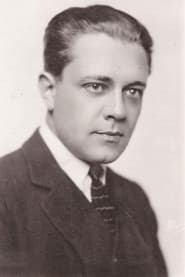
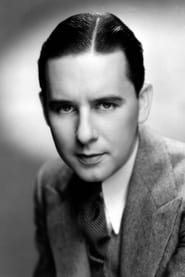
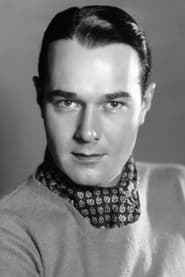
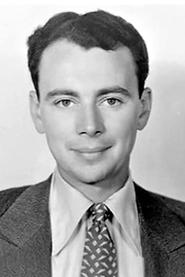
Based on a play be Rachel Crothers, WINE OF YOUTH is a solid drama about "the modern young generation" and how they think they know it all. It's also a play about love and marriage. Vidor did not consider it important enough to mention in his autobiography, although it did advance the careers of three young stars-to-be: Ben Lyon, Eleanor Boardman, and William Haines.
Cast & crew
More films like this
More Comedy films
View all →







More from King Vidor
View all →

More about this film
About the production
Release dateMarch 30, 1924
Box officeBox office figures not specifically recorded, but reported as a commercial success for MGM
ProductionMetro-Goldwyn Pictures Corporation
Filmed inMetro-Goldwyn Studios, Culver City, California
This was one of the first films produced under the newly formed Metro-Goldwyn banner before the merger with Mayer. The film was adapted from Rachel Crothers' popular stage play 'Old Lady 31' with significant modifications to suit the medium and contemporary audiences. Eleanor Boardman, who would later become King Vidor's wife, was given this starring role as part of her contract with the studio. The production utilized innovative lighting techniques to create intimate moments between characters, particularly in the romantic scenes.
Themes
Youth and maturityLove and marriageGenerational conflictModern womanhoodPassion vs. stability
Themes & topics
love triangleflapperengagementbrother rivalrymodern romancecoming of agefamily drama1920s societycourtshipmarriage
Historical background
Made in 1924, in United States, under King Vidor, Wine of Youth belongs to comedy drama filmmaking amid the silent era's rapid stylistic experiments. Wine of Youth is a 1924 American silent comedy drama film directed by King Vidor, and released by Metro-Goldwyn-Mayer, shortly after the merger which created MGM in April 1924.
Why this film matters
Within comedy drama history, King Vidor's name attaches to the work; surviving prints help researchers study silent-era craft; 1924 film by King Vidor.
Making of
The production of Wine of Youth took place during a transitional period in Hollywood when studios were consolidating and forming the major studio system. King Vidor, who had been directing since 1913, brought his experience with independent production to this Metro-Goldwyn project. The film was shot in just three weeks, a relatively quick schedule even for the era. Vidor worked closely with cinematographer John Arnold to develop a more naturalistic visual style, using softer lighting and more mobile camera work than was typical. The chemistry between Eleanor Boardman and King Vidor during filming was apparent to the cast and crew, leading to their real-life romance and marriage the following year. The film's intimate scenes were considered controversial by some studio executives, but Vidor fought to keep them in, believing they were essential to the story's authenticity.
What critics said
Contemporary reviews of Wine of Youth are sparse in open sources; later catalog entries chiefly summarize plot and credits.
Did you know?
- This was the first film collaboration between King Vidor and Eleanor Boardman, who would marry in 1925
- The original stage play by Rachel Crothers was titled 'Old Lady 31' and was a Broadway hit in 1919
- Johnnie Walker, who played the younger brother, was a popular juvenile lead of the silent era
- The film was considered quite daring for its time due to its frank discussion of premarital relationships and modern dating
- King Vidor considered this one of his most personal early films, reflecting his own views on modern relationships
- The film's title was changed from the play's original title to better reflect the youthful themes
- This was one of the first films to realistically portray the 'flapper' generation and their attitudes toward love and marriage
- The film's success helped establish King Vidor as a major director at MGM
- Eleanor Boardman's performance was praised for its naturalism, which was unusual for silent film acting of the period
- The film featured an early use of montage sequences to show the passage of time in relationships
Awards & recognition
- No major awards were recorded for this film, as the Academy Awards were not established until 1929
Visual style
The cinematography by John Arnold employed innovative techniques for its time, including more naturalistic lighting and greater camera mobility than was typical in 1924. Arnold used soft focus techniques to create intimate romantic scenes and employed subtle lighting changes to reflect emotional states. The film made effective use of location shooting in California to contrast the urban sophistication with natural settings. Close-ups were used strategically to emphasize emotional moments, particularly in scenes featuring Eleanor Boardman. The visual style moved away from the static, theatrical compositions common in earlier films, incorporating more dynamic camera movements and varied shot sizes to enhance the storytelling.
Innovations
Wine of Youth featured several technical innovations for its time. The film employed advanced lighting techniques to create more naturalistic indoor scenes, moving away from the flat lighting common in earlier productions. King Vidor experimented with pacing and rhythm, using editing techniques to create emotional effects and show the passage of time. The film also made early use of subjective camera angles to represent characters' emotional states. The production utilized newly developed panchromatic film stock, which provided better tonal reproduction and allowed for more nuanced photography, particularly in outdoor scenes. These technical choices contributed to the film's more realistic and intimate feel.
Music
As a silent film, Wine of Youth would have been accompanied by live musical performance in theaters. The original score was composed by William Axt, one of MGM's staff composers. The music featured popular songs of the era as well as original compositions that reflected the moods of different scenes. Jazz elements were incorporated to represent the modern, youthful themes of the story. The score included romantic themes for the love scenes and more upbeat, syncopated music for scenes depicting the flapper lifestyle. Theater organists and small orchestras would have adapted the score according to the size and capabilities of their venues.
Famous quotes
Youth is the wine of life, but it must be drunk with wisdom" (inter-title)
In this modern world, love comes too quickly and leaves too soon" (inter-title)
We think we know everything at twenty, and nothing at forty" (inter-title)
The heart of youth is a fire that burns bright but quickly" (inter-title)
Marriage is not the end of love, but its beginning" (inter-title)
Memorable scenes
- The garden party scene where Mary first meets both brothers and the romantic tension is established
- The intimate moonlight scene between Mary and John where their true feelings are revealed
- The confrontation scene where the brothers discover their mutual love for Mary
- Mary's emotional breakdown scene where she must choose between the two men
- The final reconciliation scene where mature love triumphs over youthful passion
What audiences thought
Wine of Youth was well-received by audiences upon its release, particularly among younger viewers who identified with its modern themes and characters. The film was a commercial success, playing in major cities across the United States for extended runs. Audience members reportedly appreciated the film's realistic portrayal of contemporary relationships and its avoidance of heavy-handed moralizing. The chemistry between the leads was frequently mentioned in audience letters to movie magazines of the period. The film's success helped establish Eleanor Boardman as a major star and confirmed King Vidor's status as one of Hollywood's promising young directors. The film's themes resonated strongly with the flapper generation, who saw their own experiences and attitudes reflected on screen for the first time.
Film connections
Influenced by
- Rachel Crothers' stage play 'Old Lady 31'
- Contemporary European romantic dramas
- The works of Cecil B. DeMille for their sophisticated treatment of relationships
- German expressionist cinema for its emotional intensity
- Contemporary literature about the 'New Woman'
This film influenced
- The Crowd (1928) - also directed by King Vidor with similar themes
- Our Dancing Daughters (1928) - another film about flappers and modern relationships
- The Wild Party (1929) - explored similar themes of youth and freedom
- The Plastic Age (1925) - dealt with contemporary youth culture
- It (1927) - featured Clara Bow as the quintessential flapper
Film restoration
Wine of Youth is preserved in the MGM film archives and has been restored by Turner Entertainment Company. A complete 35mm print exists in the Library of Congress collection. The film has been made available on home video through Warner Archive Collection as part of their silent film preservation efforts. The restoration work has preserved the original tints and toning used in the 1924 release. While not considered a lost film, it remains relatively obscure compared to other silent era productions.
Where to watch
- Warner Archive DVD/Blu-ray release
- Streaming on The Criterion Channel (occasionally featured in silent film programming)
- Available for purchase or rental on Amazon Prime Video
- Screened occasionally at film festivals specializing in silent cinema
- Available through some university film archives and libraries