
William Collier Jr.
Actor
Born: February 12, 1902 in New York City, New York, USA Died: February 5, 1987 Active: 1916-1935 Birth Name: Charles F. Gall Jr.
Films
7 films
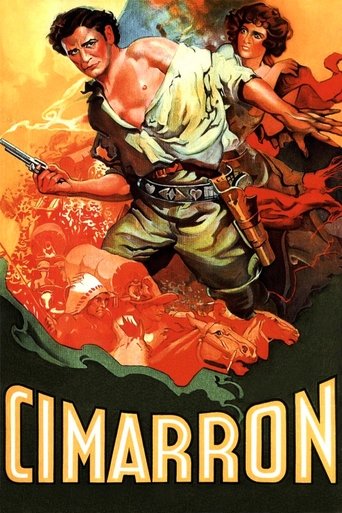
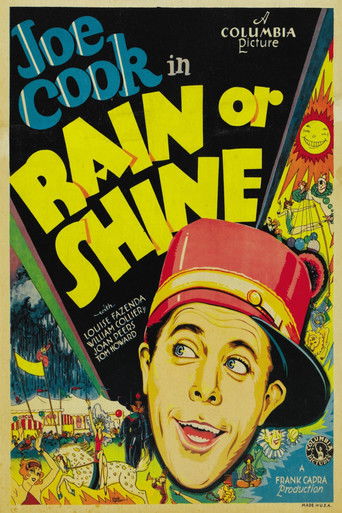
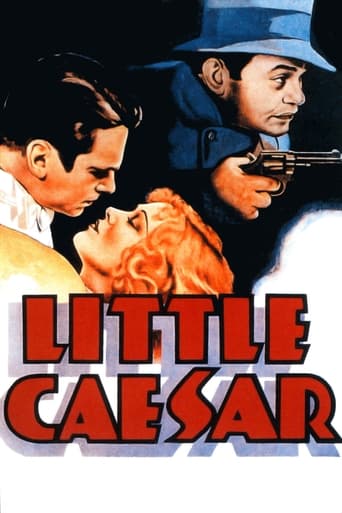
About William Collier Jr.
Prominent American actor during the silent film era and early sound period, beginning his career as a child actor in 1916. Born into a theatrical family, he was the son of renowned actor William Collier Sr. And actress Paula Marr, which provided him with early exposure to the entertainment industry. Collier Jr. Quickly established himself as a leading man in silent films, particularly excelling in romantic comedies and dramas throughout the 1920s. He successfully made the transition to talkies in the early 1930s, though his career began to wane as new stars emerged. His most notable performances include roles in 'Wine of Youth' (1924) and 'The Lighthouse by the Sea' (1924), which showcased his natural acting style and screen presence. By the mid-1930s, he had largely retired from acting, though he occasionally appeared in smaller roles. His nearly two decades, bridging the gap between silent cinema and early sound films.
The Craft
On Screen
Collier Jr. Was known for his naturalistic acting style that was ahead of its time in the silent era. He avoided the exaggerated gestures common among many silent film actors, instead favoring subtle facial expressions and understated performances. His acting was characterized by a boyish charm and earnestness that made him particularly effective in romantic roles. He had a knack for comedy, delivering witty performances with impeccable timing. In dramatic roles, he conveyed emotion through his eyes and subtle body language, making his performances feel authentic and relatable to audiences.
Milestones
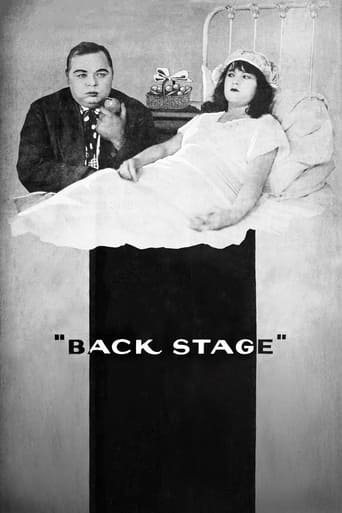
- Breakthrough role in 'Back Stage' (1919) establishing him as a leading man
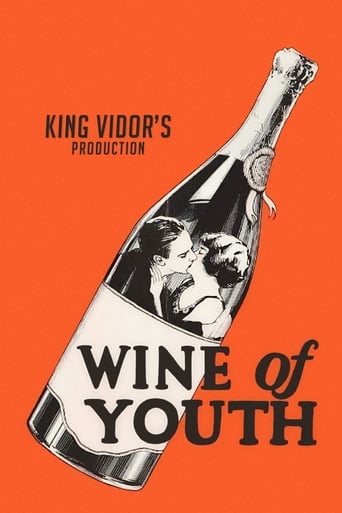
- Starred in critically acclaimed 'Wine of Youth' (1924)
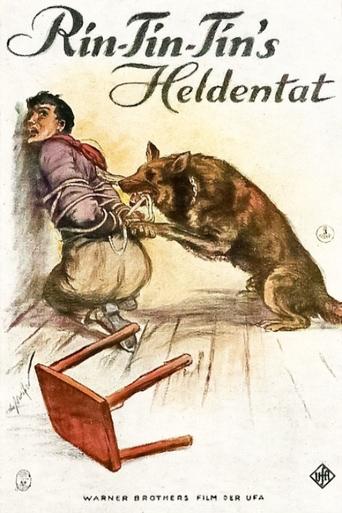
- Leading role in 'The Lighthouse by the Sea' (1924) opposite Rin Tin Tin
- Successful transition to talkies in early 1930s
- Retirement from acting in mid-1930s to pursue other interests
Best Known For
Iconic Roles
Must-See Films
Accolades
Special Recognition
- Star on the Hollywood Walk of Fame
Working Relationships
Worked Often With
Studios
Why They Matter
Impact on Culture
William Collier Jr. Represented the transition from theatrical acting styles to more naturalistic film performance that would become standard in cinema. His work helped bridge the gap between the exaggerated pantomime of early silent films and the nuanced performances of later eras. As a successful child actor who transitioned to adult leading roles, he paved the way for other young performers to maintain their careers beyond childhood. His films, particularly 'Wine of Youth,' captured the spirit of the Jazz Age and the changing social mores of 1920s America, providing valuable historical documentation of the period.
Lasting Legacy
Though not as widely remembered as some of his contemporaries, William Collier Jr.'s legacy lies in his contribution to the evolution of screen acting during a crucial period of cinematic development. His naturalistic approach influenced subsequent generations of actors who moved away from theatrical traditions. His successful transition from silent films to talkies demonstrated adaptability during one of Hollywood's most challenging periods. Today, film historians and classic cinema enthusiasts recognize his work as an important example of the sophisticated acting styles emerging in the late silent era.
Who They Inspired
Collier Jr.'s understated acting style influenced many young actors of the late 1920s who sought to move beyond the melodramatic performances common in early cinema. His success as a child star who maintained credibility as an adult actor provided a model for future performers facing similar career challenges. His work in romantic comedies helped establish conventions for the genre that would be refined and expanded upon in subsequent decades.
Off Screen
William Collier Jr. Was born into show business royalty as the son of William Collier Sr., a famous Broadway and film actor. He married twice during his lifetime, first to actress Marie Prevost in 1924, though their marriage ended in divorce. His second marriage was to Mae McKenna, with whom he remained until his death. Unlike many Hollywood figures of his era, he maintained a relatively private personal life and avoided scandal. After retiring from acting, he successfully transitioned to a career in business, demonstrating versatility beyond the entertainment industry.
Education
Educated in New York private schools; received early training in acting from his father
Family
- Marie Prevost (1924-1927)
- Mae McKenna (1930-1987)
Did You Know?
- He was born Charles F. Gall Jr. But adopted his father's stage name professionally
- His father William Collier Sr. Was a famous Broadway star who successfully transitioned to films
- He began his film career at age 14 as a child actor
- His first wife, Marie Prevost, was a major silent film star whose career declined tragically
- He appeared in over 60 films during his career
- He successfully retired from acting before age 35, relatively young for a Hollywood career
- His films with Rin Tin Tin were among the most popular of the silent era
- He was one of the few silent actors who successfully made the transition to sound films
- His natural acting style was considered ahead of its time in the silent era
- After retiring from films, he worked in the oil business in California
In Their Own Words
Acting in pictures is different from the stage. You don't have to project to the back row, you just have to be real.
The hardest thing about sound pictures wasn't learning to speak, it was learning not to overact.
Frequently Asked Questions
Who was William Collier Jr.?
American with credits in this catalog. He was the son of famous actor William Collier Sr. And became known for his naturalistic acting style and leading man roles in romantic comedies and dramas.
What films is William Collier Jr. Best known for?
Titles linked here include Back Stage (1919), Wine of Youth (1924).
When was William Collier Jr. Born and when did he die?
Born February 12, 1902; died February 5, 1987.
What awards did William Collier Jr. Win?
While William Collier Jr. Did not receive major film awards during his career, he was honored with a star on the Hollywood Walk of Fame for his contributions to the film industry.
What was William Collier Jr.'s acting style?
Collier Jr. Was known for his naturalistic acting style that avoided the exaggerated gestures common in silent films. He favored subtle expressions and understated performances, making him particularly effective in romantic roles and ahead of his time in screen acting techniques.