
Back Stage
"Give at the edge"
Keys: Space play/pause · ←/→ 10s · F fullscreen · M mute · </> speed
About this film
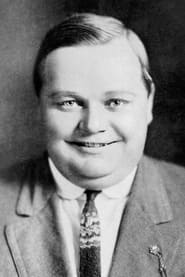
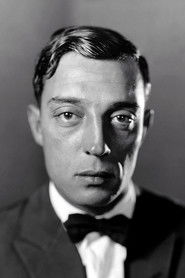
Roscoe and Buster give a bullying Strongman the what-for, but after the performance troupe quits it's up to Fatty and Buster to keep the show going.
Cast & crew
More films like this
More Comedy films
View all →







More from Roscoe 'Fatty' Arbuckle
View all →
More about this film
About the production
Release dateJune 9, 1919
ProductionComique Film Corporation
Filmed inLos Angeles, California
was part of the Comique Film Corporation series, which Arbuckle established with Joseph Schenck. It was one of the early collaborations showcasing the developing chemistry between Arbuckle and Keaton, with Keaton receiving more prominent screen time than in previous collaborations. The film was shot in just a few days, typical of short film production schedules of the era. The strongman character was played by Charles Dudley, a professional wrestler and strongman performer, adding authenticity to the physical confrontations.
Themes
Themes & topics
Historical background
Made in its country of production around 1919, Back Stage belongs to the silent era's formative years. Its story of roscoe and buster give a bullying strongman the what-for, but after the performance troupe quits it's up to fatty and buster to keep the show going spoke to audiences of the day through familiar genres and topical settings.
Why this film matters
Archivists and historians still cite Back Stage when tracing how the silent era's formative years filmmakers staged roscoe and buster on screen.
Making of
Production details for Back Stage are sparse in surviving records. Direction is attributed to Roscoe Arbuckle.
What critics said
Reviews from 1919 weighed Back Stage on pacing, performance, and novelty. Later criticism reads its emphasis on roscoe, buster, give through modern standards of craft and representation.
Did you know?
- Directed by Roscoe Arbuckle.
- Production country: United States.
- Release year commonly listed as 1919.
- TMDB identifier: 38531.
Visual style
The cinematography in Back Stage reflects the standard practices of 1919 silent comedy production, with the camera primarily positioned to capture the full range of physical action. The film makes effective use of deep space within the theater setting, allowing multiple comedic actions to occur simultaneously in different parts of the frame. The camera work is functional rather than artistic, designed primarily to clearly present the gags and physical comedy. However, there are moments of innovation, particularly in scenes where the camera follows the chaos as it moves through different areas of the theater. The use of actual theater locations provides authentic depth and texture to the visuals. The lighting is typical of the period, relying on natural light supplemented by studio lighting, creating the high-contrast look characteristic of films of this era.
Innovations
While Back Stage was not groundbreaking in technical terms, it demonstrates several important technical aspects of 1919 filmmaking. The film makes effective use of the limited space of the theater setting, employing clever blocking and choreography to maximize comedic potential. The physical comedy sequences required precise timing and coordination between the performers and camera, demonstrating the evolving sophistication of comedy filmmaking. The film's use of actual theater locations rather than studio sets provided greater authenticity and allowed for more complex staging. The editing, while simple by modern standards, effectively builds comic momentum through the careful pacing of gags and reactions. The film also early examples of match-on-action editing in physical comedy sequences.
Music
As a silent film, Back Stage was originally presented with live musical accompaniment that varied by theater. Larger theaters would have used a full orchestra while smaller venues relied on a piano or theater organ. The score would have been compiled from standard photoplay music libraries, with selections matched to the on-screen action - upbeat music for comedic moments, tense music for confrontations with the strongman, and frantic music during the chaotic finale. No original score was composed specifically for the film. Modern screenings typically feature newly composed scores or period-appropriate music performed by silent film accompanists. Some contemporary releases feature scores by composers such as Robert Israel or Ben Model, who specialize in creating music for silent comedies.
Famous quotes
(Silent film - no dialogue, but famous visual gags include Arbuckle and Keaton attempting to perform multiple acts simultaneously)
(The film features memorable visual comedy rather than spoken dialogue, typical of the era)
Memorable scenes
- The climactic sequence where Roscoe and Buster must perform all the acts themselves after the troupe quits, leading to frantic costume changes and chaotic attempts to juggle multiple roles simultaneously
- The confrontation with the bullying strongman where Arbuckle and Keaton use their wits and physical comedy to outsmart him
- The opening scenes establishing the backstage chaos and the working relationship between the two leads
What audiences thought
Patrons who saw Back Stage during initial runs judged it alongside other silent film releases of the day.
Film connections
Influenced by
- Vaudeville theater traditions
- Mack Sennett comedy style
- Chaplin's tramp character
- Keystone Cops physical comedy
This film influenced
- The Play House (1921)
- The Cameraman (1928)
- Stage Fright (1950)
- Noises Off (1992)
Film restoration
Back Stage survives in complete form and has been preserved by film archives including the Library of Congress and the Museum of Modern Art. The film exists in 35mm prints and has been transferred to digital formats for preservation and access. Some versions show signs of age-related deterioration but are generally viewable. The film has been included in several DVD collections of Arbuckle and Keaton's work, helping ensure its continued availability to modern audiences.
Where to watch
- Available on DVD in 'The Arbuckle & Keaton Collection' from Kino Lorber
- Streaming on The Criterion Channel
- Available for digital rental or purchase on Amazon Prime Video
- Included in some public domain collections on YouTube
- Occasionally screened at film festivals and revival theaters specializing in silent cinema